

Artists in residence Art Explora - Cité internationale des arts

Launched in 2021, this programme gives artists from all over the world the opportunity to develop their research and creative work in the heart of Paris, in liaison with the French artistic and professional scene. It encourages creation in all its forms, while facilitating its dissemination to the widest possible audience. Residents' work focuses on themes of scientific and technological exploration, and addresses the major social and environmental issues of our time.
Some twenty artists are selected each year by an international selection committee.

2026 Residents
First session - starting in spring 2026
Slovenia
Learn more
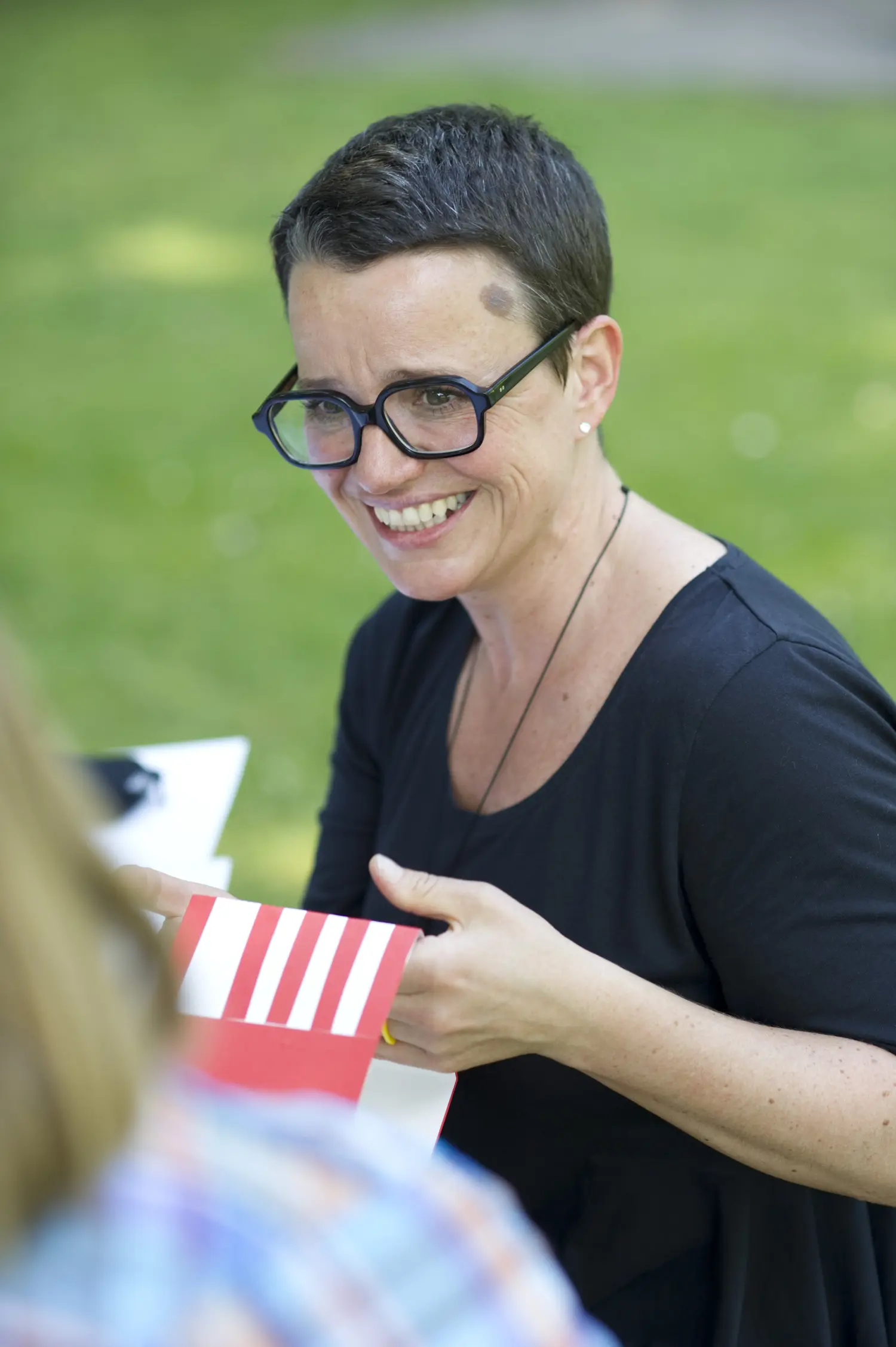
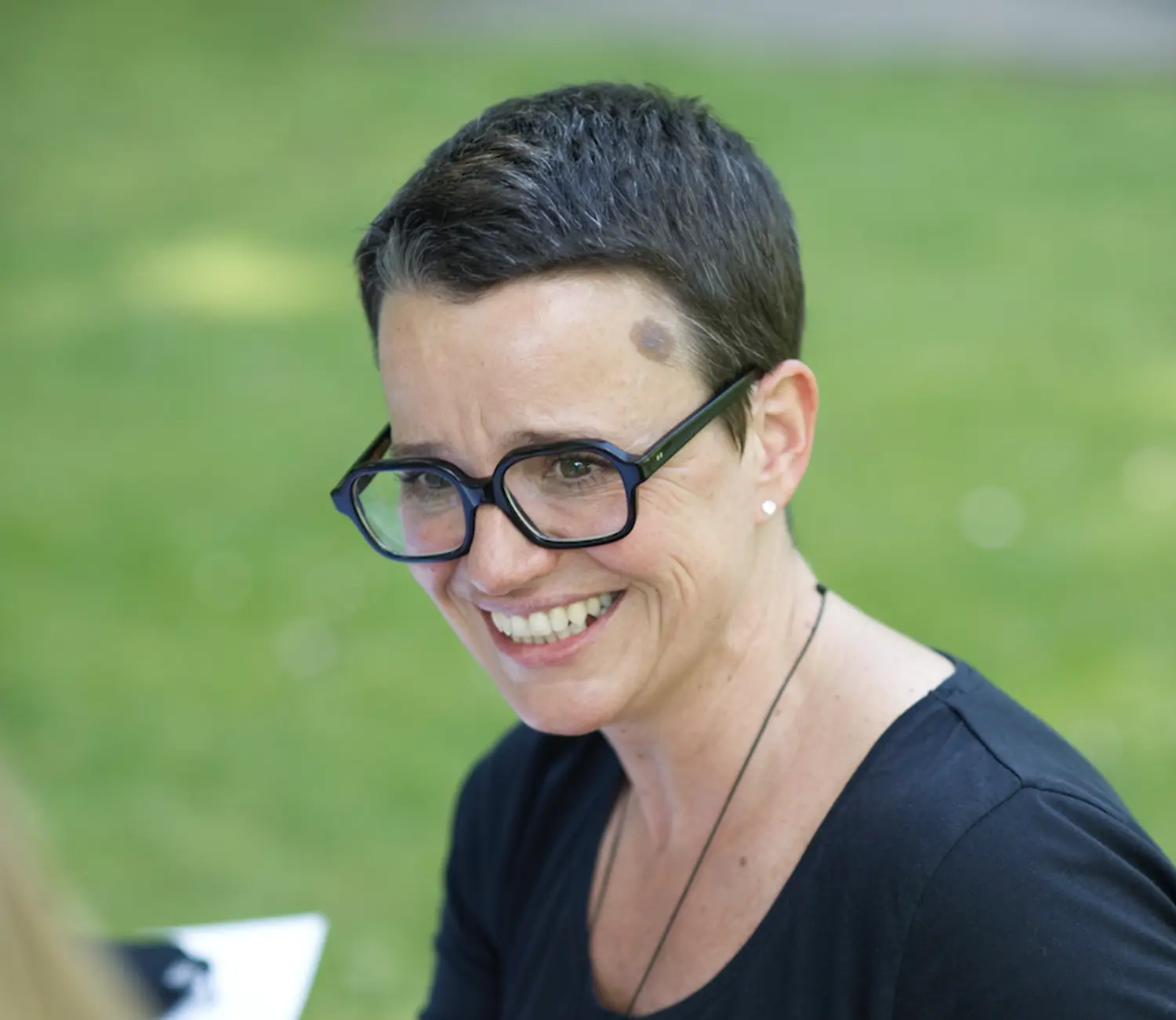
Apolonija Šušteršič, Slovenia
Trans-Local Ecologies — Commons, Resilience, and Coexistence
Biography
Apolonija Šušteršič was born in 1965 in Ljubljana. Lives and works between Oslo and Ljubljana.
She is a visual artist, architect, researcher, and teacher. Her research-based practice is situated across different fields of spatial practice and critical theory.
She participated in a number of internationally published and exhibited projects within and beyond contemporary art institutions around the world, such as Diriyah Biennial, Saudi Arabia (2024), Gwangju Biennial, South Korea (2016), Artes Mundi 5, Cardiff, United Kingdom (2012), Berlin Biennale II, Germany (2001) and Moderna Museet Stockholm, Sweden (2000).
Residency project
During the Art Explora residency at the Cité internationale des arts in Paris, Apolonija Šušteršič proposes to deepen her ongoing collaboration with Atelier d’Architecture Autogérée (AAA), a Paris-based collective founded by architects Doina Petrescu and Constantin Petcou, while further developing their shared research on participatory spatial practices, social ecology, and the commons.
Paris will serve as a site of meeting and research for them and for their guests from TERRRA Brezoi, Romania (a trans-local network and living lab situated in a post-industrial town in the Carpathian Mountains), and from Palmarin, Senegal.
Together, these sites form a constellation of trans-local ecologies — practices of care, cooperation, and transformation that connect diverse communities while remaining deeply grounded in their local realities.
Germany
Learn more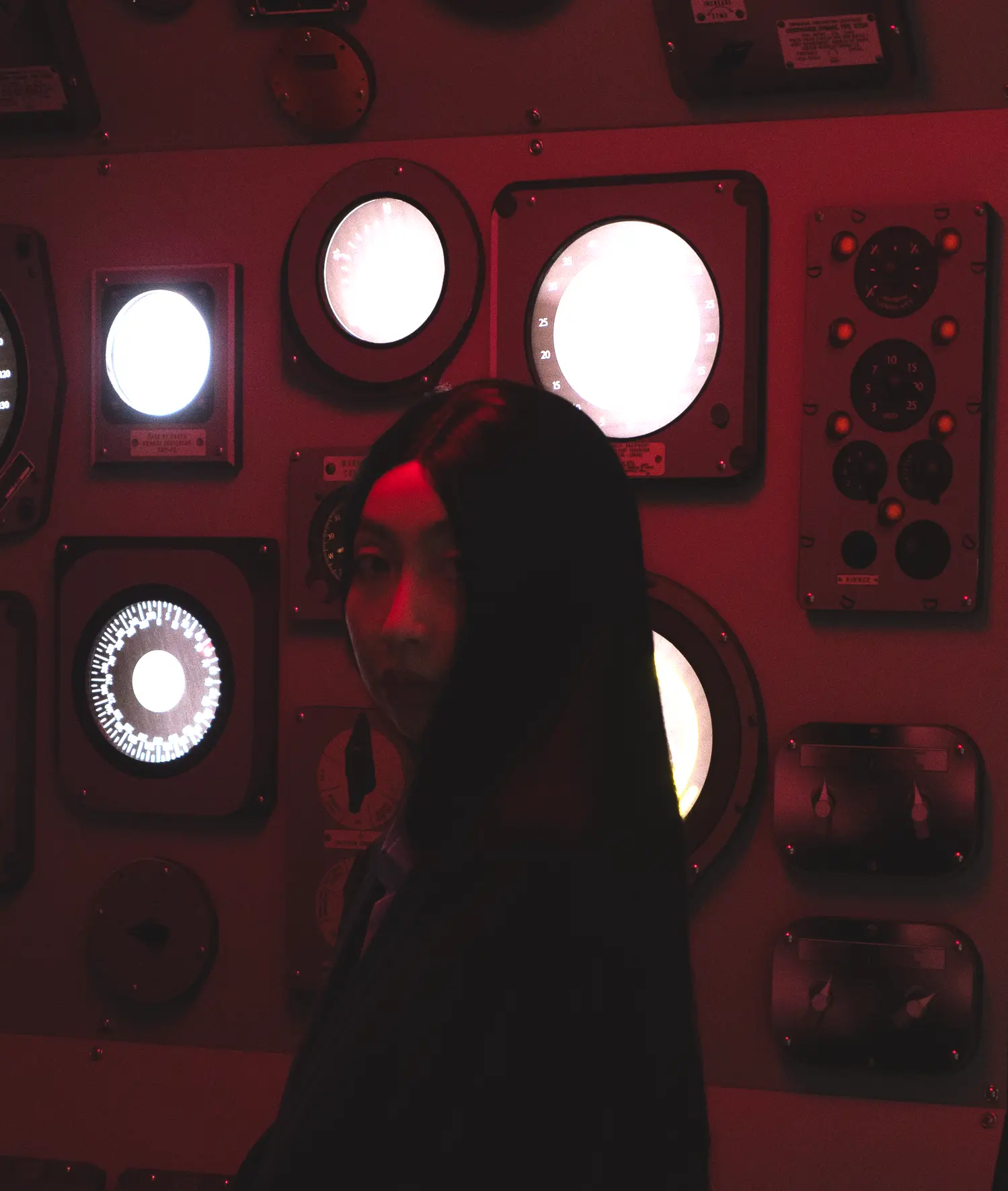
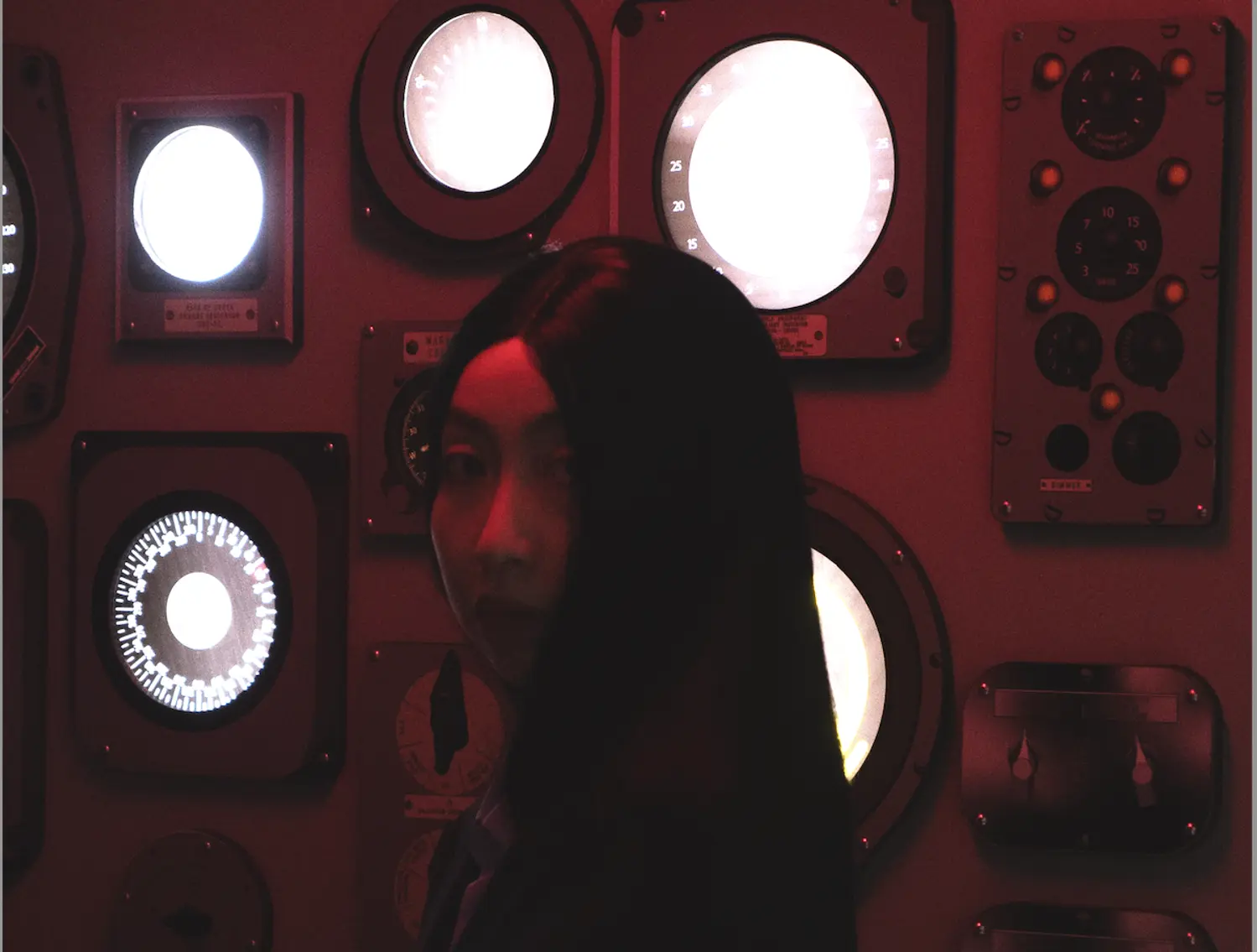
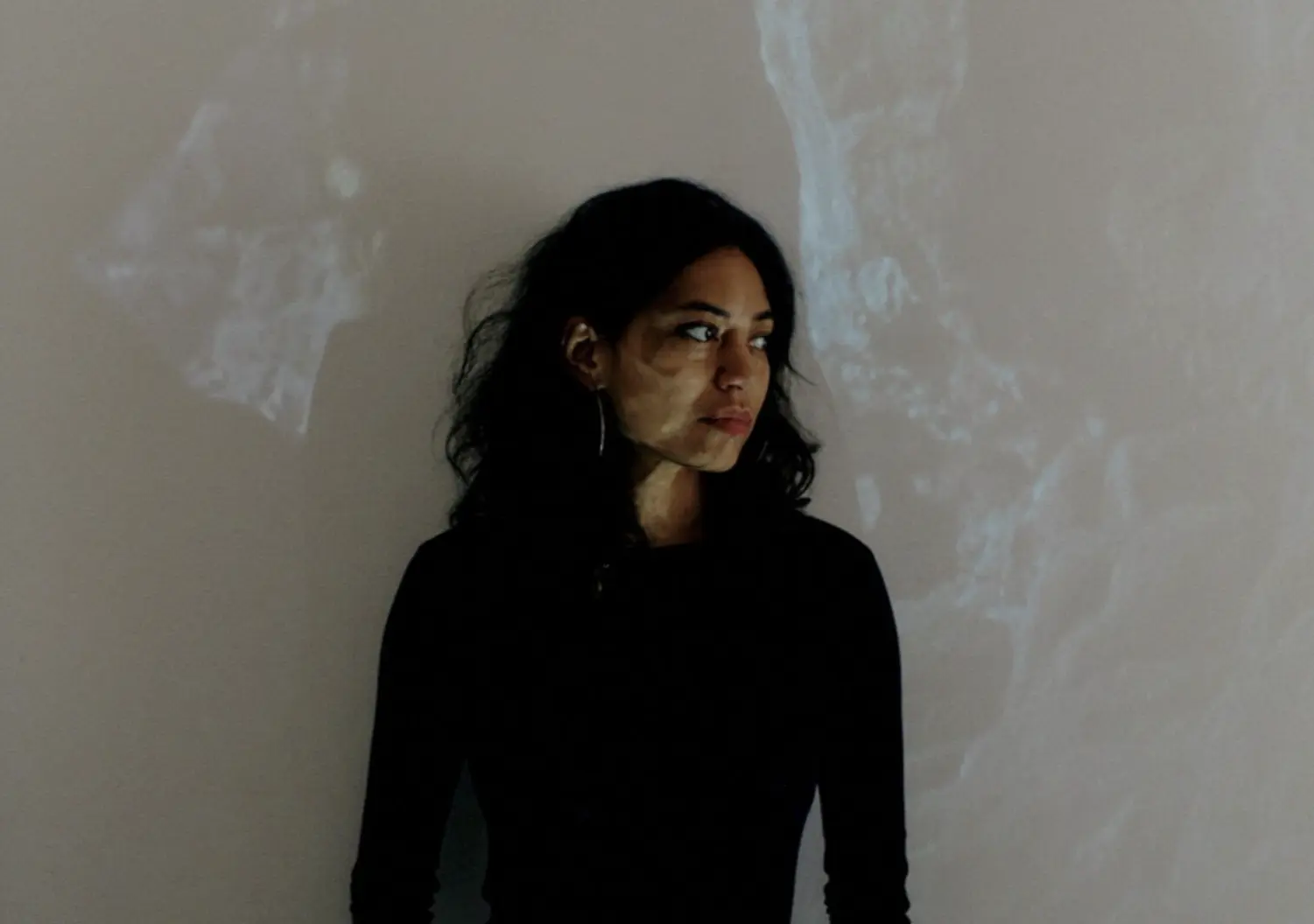
Arlette Quỳnh-Anh Trần, Germany
Future Tense
Biography
Arlette Quỳnh-Anh Trần was born in 1987 in Hennigsdorf, former Eastern Germany. Lives and works in Saigon, Vietnam.
Her artworks combine political discourse with science fiction aesthetics, employing mediums such as animation, performance, 3D design, historical archives, and architecture. Arlette is particularly engaged with the concept of a futuristic Third World utopia, in which political ideals are reimagined to allow the coexistence and integration of human and non-human entities.
She is one of the trio collective Art Labor. Her collective and individual work has been presented in neue Gesellschaft für bildende Kunst, Germany (2025), National Gallery Singapore (2025), Prospect New Orleans, USA (2024), Leeum Museum of Art in Seoul, South Korea (2024), And Centre Pompidou in Paris, France (2017).
Residency project
Arlette Quỳnh-Anh Trần is developing Future Tense—a work that loosely draws on her fascination with the Third World’s futuristic pavilions at the 1964 New York World’s Fair and the 1970 Osaka Expo, where, for the first time, these newly independent nations asserted their identity through intentional architectural, sensory, and performative displays.
n this work, she imagines creating a speculative pavilion for a future Third World. Here, the bold declarations of 20th-century political in-dependence evolve into a meditation on future environmental and sensory inter-dependence. The tropicality of the Third World comes alive through shifting temperatures, immersive soundscapes, and evolving light.
While at Art Explora, she plans to explore the history of territorial and national symbolism in the pre-independence period of Third World countries, as reflected in the Exposition Coloniale Internationale in Paris in 1931.
France
Learn more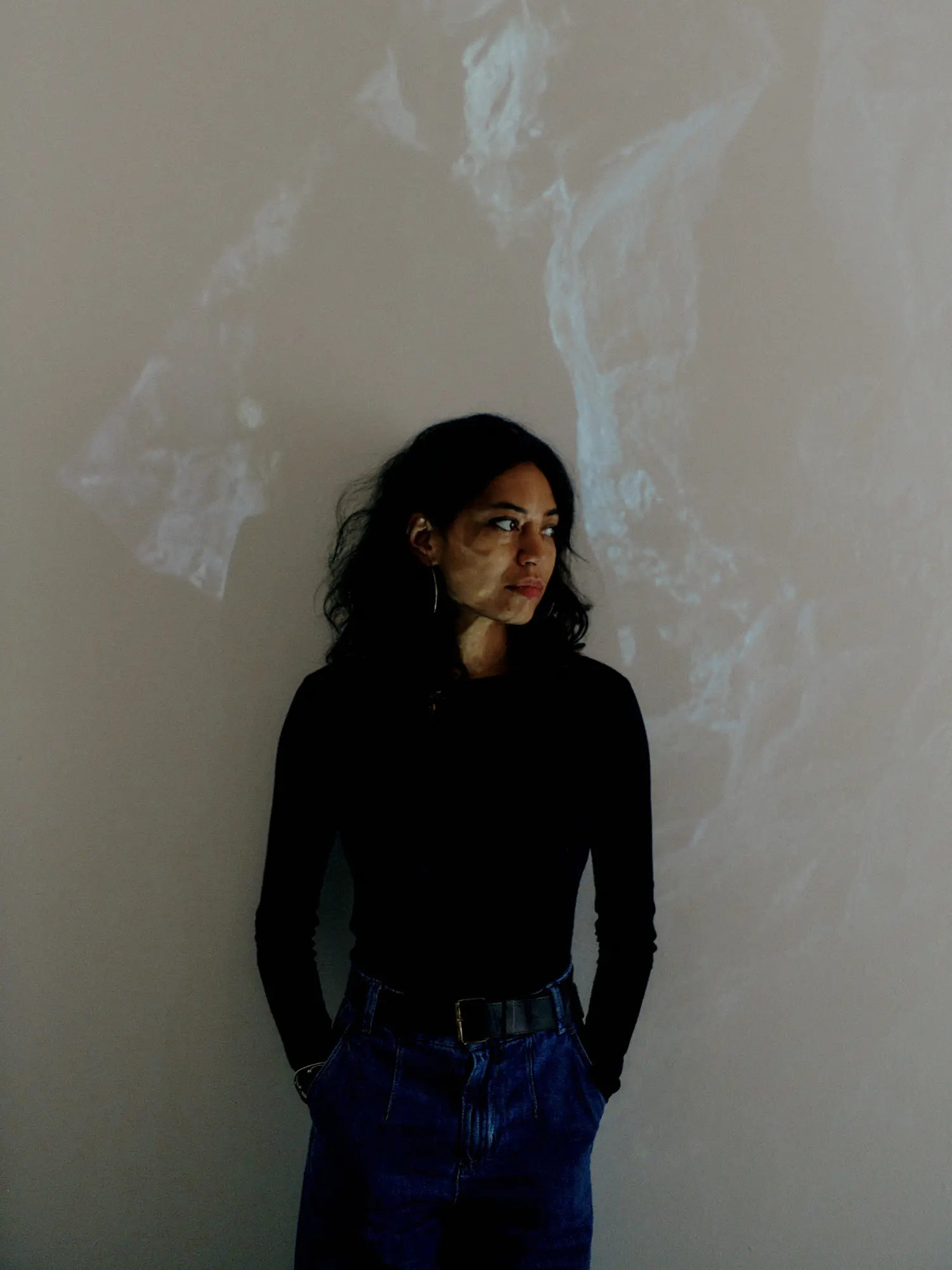
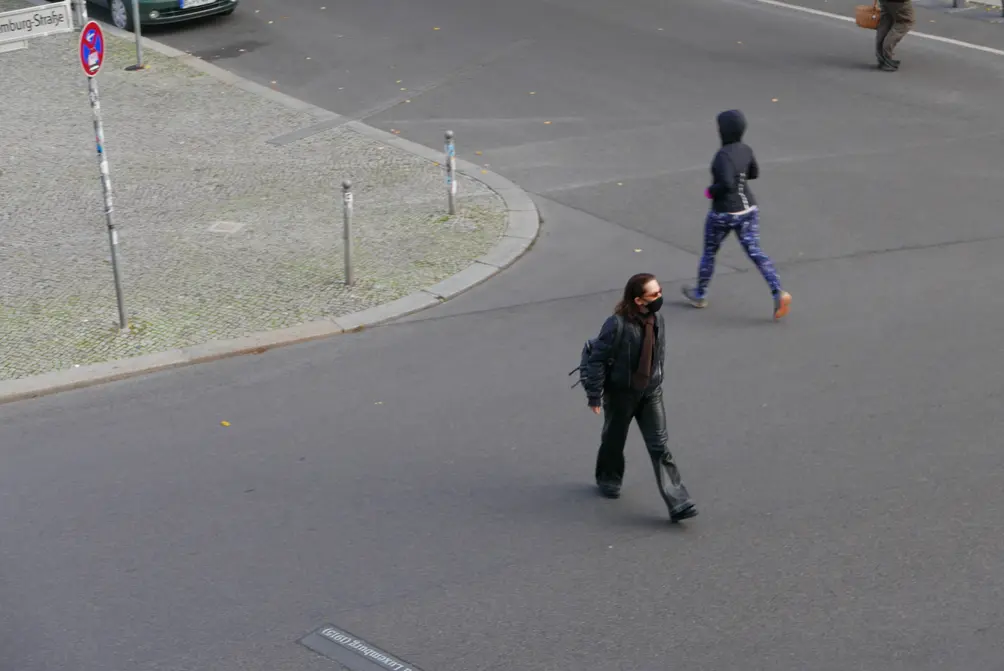
Caroline Déodat, France
Flacq is where gestures come before names
Biography
aroline Déodat was born in 1987 in Paris. Lives and works between Bagnolet and Clermont-Ferrand. She develops a practice at the intersection of ethnography and fiction, archival research and critical theory, exploring the spectral dimension of the moving image, its haunting power, processes of alienation, as well as myths and histories of violence. Caroline Déodat’s work has been presented in numerous institutions, including the Jeu de Paume, France (2025), the Brooklyn Academy of Music, USA (2025), the Rencontres photographiques de Bamako, Mali (2024), the Museo Reina Sofía, Spain (2022), and the Fondazione Sandretto Re Rebaudengo, Italy (2022).
Residency project
Flacq is where gestures come before names is a film-installation project accompanied by a photographic series that explores exile through the landscapes and economies of sugar, connecting a family history to the histories of colonial empires and post-abolition agro-industrial capitalism. From Mauritius, Flemish Belgium, Île-de-France and Hauts-de-France, to Marseille, the project traces the continuity of racial, economic, and agricultural violence embodied by sugarcane, rooted in colonial slavery, and sugar beet, born of industrial labor exploitation, as well as the scars these systems leave on bodies and soils. The film will function as an archive of gestures—of hands, sounds, and machines—attentive to labor rhythms and to the choreography of what lives and what becomes exhausted. Shot on 16mm and developed using plants gathered from the filmed sites, the film will literally inscribe the texture of the soils onto the celluloid. A parallel material research (optical screens, sugar-based monotypes) will engage with erasure, crystallization, and lines of survival within the image.
Croatia & USA
Learn moreDora Budor, Croatia & USA
Streamed Film
Biography
Dora Budor (b. Zagreb, Croatia) is a New York-based artist and writer. Trained as an architect, Budor surveys the sites where the built environment and subjectivity work upon one another, honing in on the dissolution of life as a shared and consistent social form. Working with a wide range of media—including video, sculpture, installation, and sound—Budor’s exhibitions are developed in response to spatial and psychosocial conditions.
Budor’s work has been featured in major international exhibitions, most recently the Whitney Biennial (2024), the 15th Gwangju Biennale (2024), and the 59th Venice Biennale (2022). Her upcoming institutional exhibitions include Bonner Kunstverein and n.b.k./ Neue Berliner Kunstverein (both 2026).
Residency project
Dora Budor's practice looks at perception, attention, and desire, and how space reproduces capitalist relations and continuously fragments or simulates our experience of history. Probing the reflexive relations of subjectivity and social form, the video installation Streamed Film will explore financial speculation, economic collapse, and their attendant psychosocial effects
The work is inspired by the films and camerawork of Marcel L’Herbier, the French master of 1930s silent cinema, who pioneered a range of techniques to picture what is otherwise immeasurable. Streamed Film draws in particular from L’Herbier’s L’Argent, which translated Zola’s 1860s narrative to then-contemporary Paris as a commentary on the 1920s’ fascination with the global economy, greed, and market speculation preceding the Great Depression.
Developed within this conceptual framework and realized through contemporary means, Streamed Film attempts to materialize what resists representation: the fragmentation and manipulation of attention and desire, perception shaped by continuous streams of images, and the forms of life increasingly governed by financialization.
Nicaragua
Learn more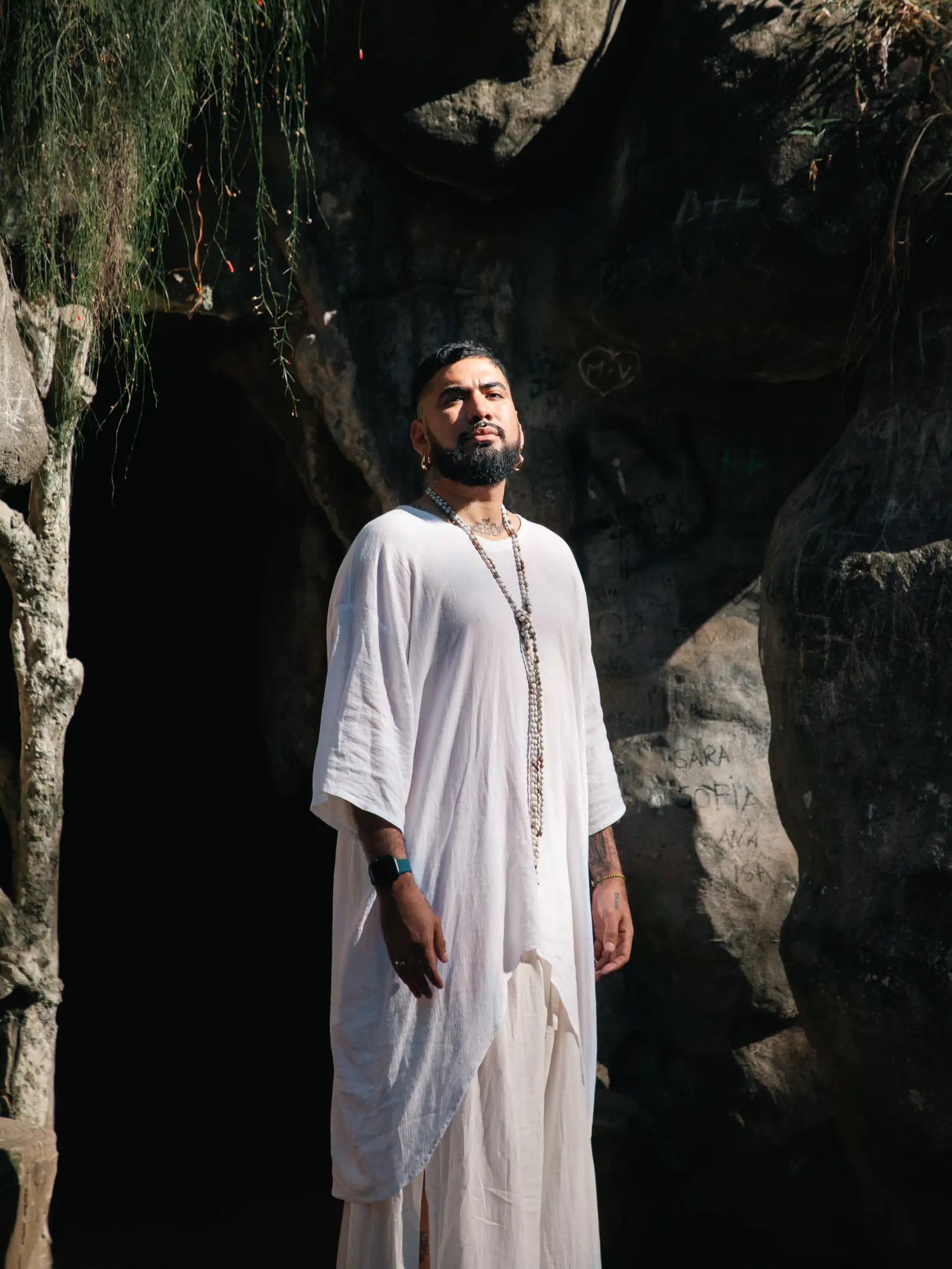
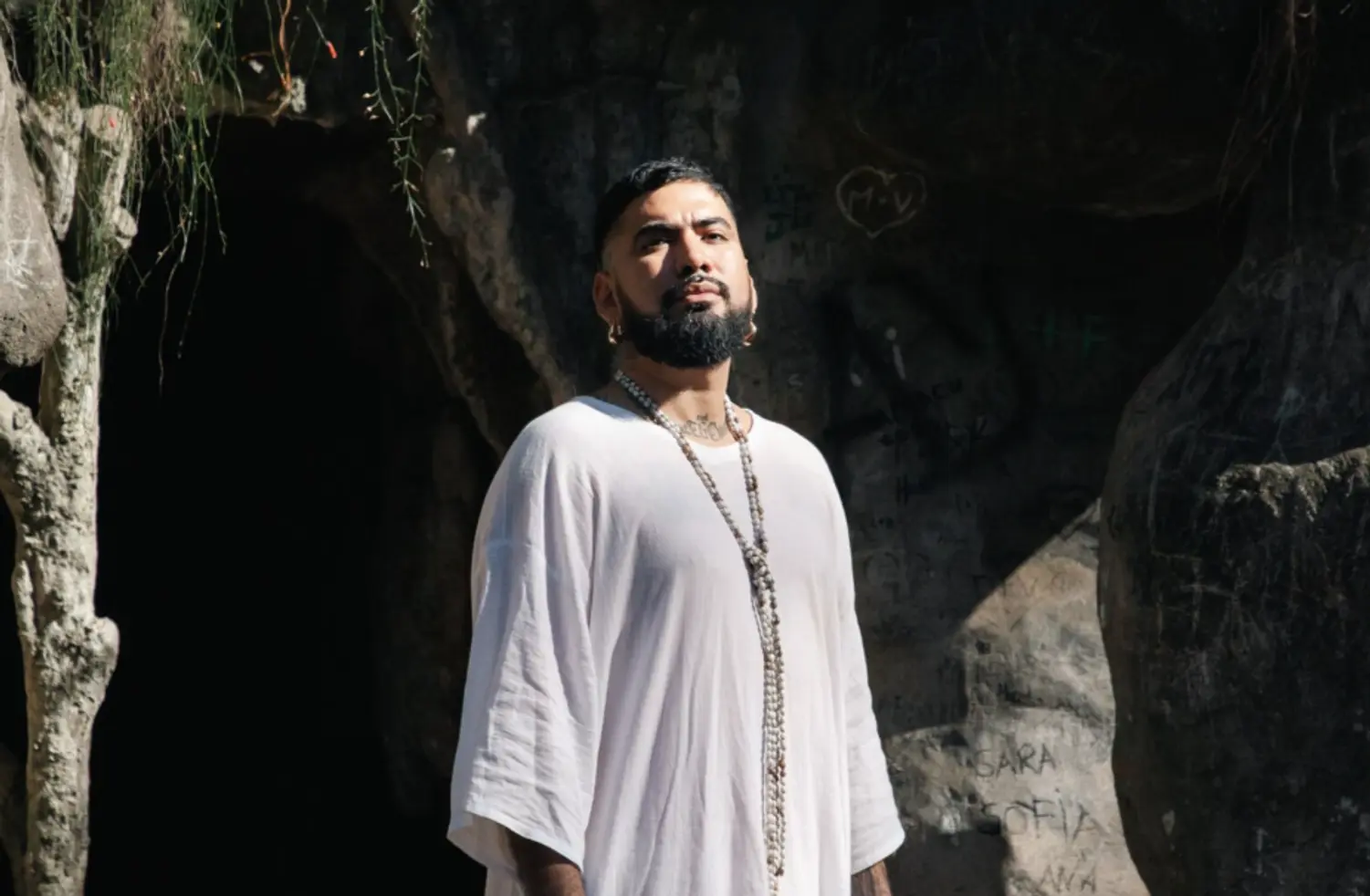
Elyla, Nicaragua
El colibrí: On Ancestral Memory and Extractive Landscapes
Biography
Elyla was born in 1989 in Santo Tomás, Chontales, Nicaragua. Live and work between Basel, Switzerland, and Nicaragua.
Elyla is a multidisciplinary artist working across performance, moving image, installation, ceramics, and research-based practice. Their work engages auto-ethnography, decolonial methodologies, and speculative fabulation to explore Chontal identity, anti-colonial resistance, extractivism, queer embodiment, and multispecies imaginaries. Through ritual, archival fiction, and embodied research, Elyla reclaims suppressed histories and ancestral knowledge systems.
Elyla’s work has been presented in numerous institutions including Museo Universitario del Chopo, Mexico (solo exhibition, 2025–26), BienalArte Paiz, Guatemala (2025), Venice Biennale (2024), Toronto Biennial, Canada (2024) and Havana Biennial, Cuba (2015).
Residency project
El colibrí: On Ancestral Memory and Extractive Landscapes is a research-based artistic project that investigates the entanglements between territory, memory, and extractive economies. Drawing from decolonial methodologies, auto-ethnographic research, and archival inquiry, the project examines how landscapes marked by mining, colonial science, and environmental exploitation also function as repositories of ancestral knowledge and historical continuity.
During the residency, Elyla will focus on processes of translation—between oral histories, archival materials, moving image, and sculptural research. The research unfolds in dialogue with Nicaraguan archaeologists and historians, whose situated knowledge informs the project’s ethical and methodological framework.
Paris operates as a critical site from which to reflect on the circulation of colonial knowledge, museum archives, and European scientific narratives connected to extraction and territory. The residency period will focus on writing, editing, visual research, and material experimentation, preparing the ground for a future installation and film that Elyla will present during their first solo museum exhibition in Switzerland in early 2027.
Ivory Coast
Learn more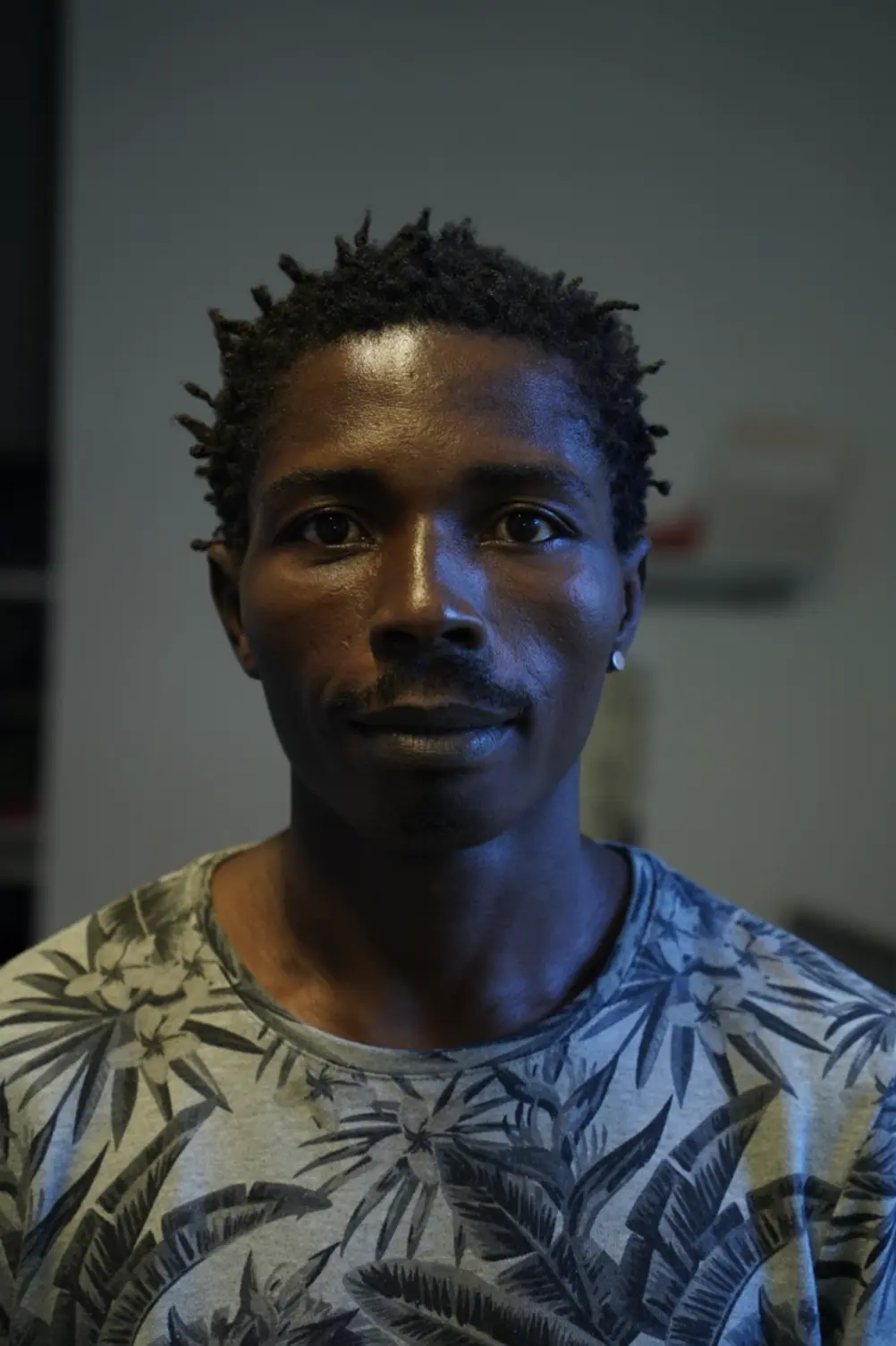
Léonce Noah, Ivory Coast
Broukabrou Relâche – Performance novel
Biography
Noah Konan Allui Léonce was born in 1987 in Béoumi, Côte d’Ivoire. Lives and works between Côte d’Ivoire, France, and across Europe. Choreographer, performer, visual artist, and writer, he develops an undisciplined practice at the intersection of dance, performance, writing, and research.
His work engages with everyday gestures, silences, urban memories, and situated narratives. He explores forms of movement and writing emerging from contemporary social realities, in connection with what he calls relaxed Broukabrou, a method of research and creation rooted in the experience of the body, territories, and languages.
His work has been presented in numerous institutions, including the Cité internationale des arts (2025), the Festival d’Automne, France (2025), the Institut français of Pointe-Noire, Congo (2024), CocoonDance, Germany (2023), and La Briqueterie CDCN du Val-de-Marne, France (2022–2023).
Residency project
Broukabrou Relâche – Roman-performance is a research-creation project at the intersection of writing, performance, and choreography. It follows the development of the Broukabrou Relâche method, initiated during Léonce Noah’s training at EXERCE (ICI–CCN de Montpellier) and further developed since 2022 in Côte d’Ivoire, Congo, and across Europe. This method is grounded in ordinary gestures, silences, mixed languages, and the fragmented memories of unfinished urban spaces. The residency will be a time of release and focus, dedicated to the writing of a novel-performance composed of journals, archives, autobiographical narratives, and testimonies gathered through artistic and human experiences. The text is conceived as a living material, circulating between body, voice, image, and space.
The ambition is to give rise to a form of scenic and literary writing that exceeds the book format, becoming a performative space activated through reading, performance, and digital archives, and open to transmission and sharing.
Egypt
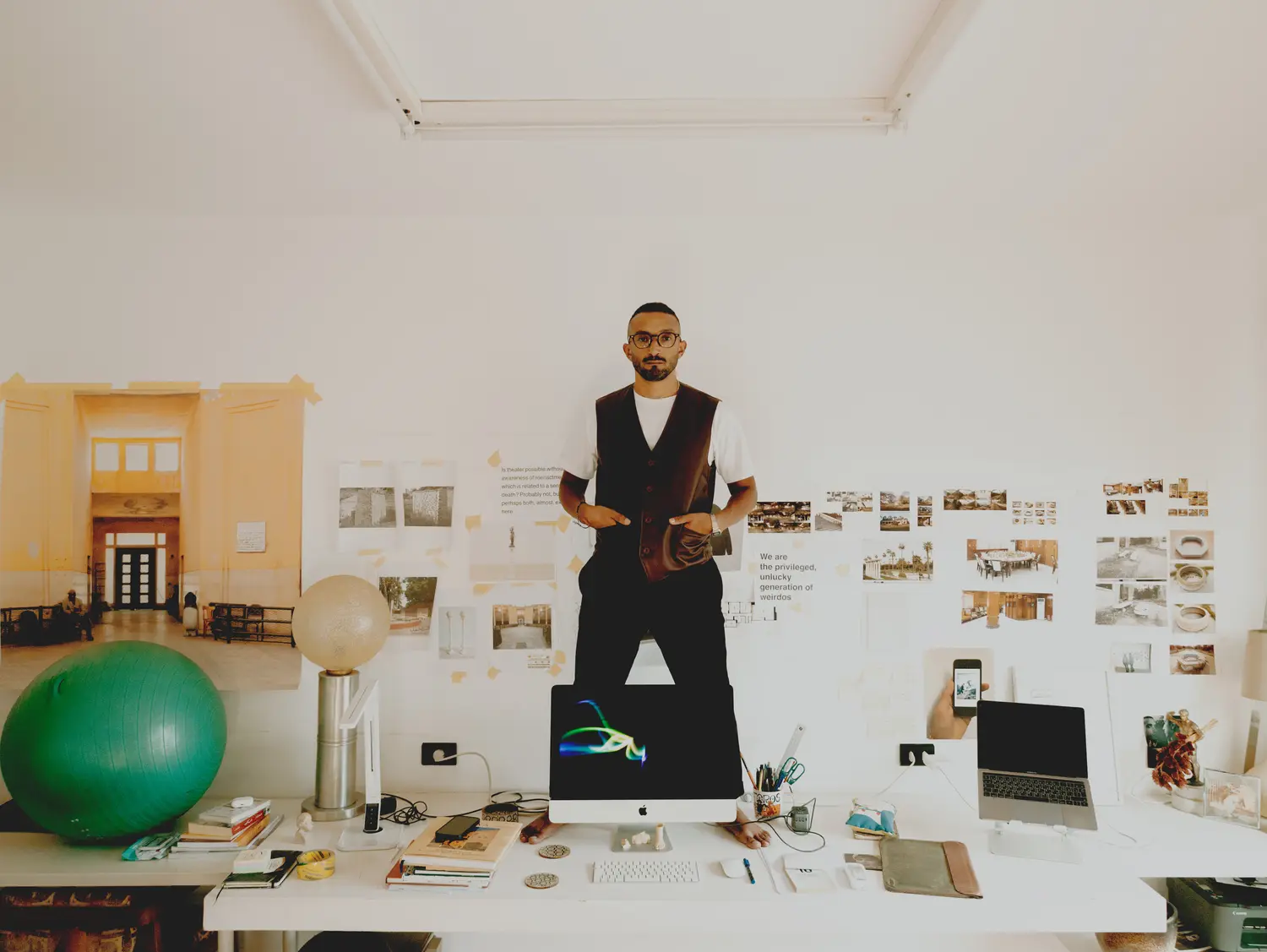
Learn moreMahmoud Khaled, Egypt
Painter on a Study Trip, Chapter #3
Biography
Mahmoud Khaled was born in 1982 in Alexandria, Egypt. Lives and works between Cairo and Berlin.
His practice spans photography, installation, text, and video, engaging with histories of art education, representation, queer existence, and institutional power. Through research-based and emotionally driven methodologies, his work examines how systems of power and knowledge shape visibility, intimacy, and authority.
Mahmoud Khaled’s work has been presented in numerous biennales and institutions including the 16th Sharjah Biennial, U.A.E. (2025), BOZAR – Centre for Fine Arts, Belgium (2024), EMST / National Museum of Contemporary Art, Greece (2022), The Mosaic Rooms, London, United Kingdom (2022), Istanbul Biennial, Turkey (2022).
Residency project
The project Painter on a Study Trip, Chapter #3 will explore the city as a living museum, where art, history, politics, and everyday life intersect. Through visits to museums, art schools, and intimate domestic spaces, Mahmoud Khaled will reflect on how artistic education and colonial legacies continue to shape contemporary ways of seeing.
Treating Paris as an active collaborator rather than a backdrop, the project reimagines the “study trip” as a personal journey through the formal, emotional, and political layers embedded in the city.
%2BTereza%2BHavli%CC%81nkova%CC%81.webp)
Ukraine
Learn moreNikita Kadan, Ukraine
The Battle in the Museum (working title)
Biography
Nikita Kadan was born in 1982 in Kyiv, Ukraine. Lives and works in Kyiv.
The work of Nikita Kadan centers on his artistic exploration of post-communist social and political developments, and their origins and causes in the Soviet system. Nikita Kadan is a sensitive and critical observer and interpreter of historical shifts, and also of the connections and continuities between the communist past and turbo-capitalist present. He works with installation, graphic design, painting, wall drawings and posters in the city, sometimes in interdisciplinary collaboration with architects, human rights activists and sociologists.
Nikita Kadan’s work has been presented in numerous institutions, including the National Art Museum of Ukraine, Ukraine (2025), Mumok, Austria (2025), 60th Venice Biennial, Italy (2024), Castello di Rivoli, Italy (2023) and Centre Pompidou, France (2022).
Residency project
Nikita Kadan’s project brings into dialogue images drawn from nineteenth-century French Romantic painting and documentary materials related to the contemporary war in Ukraine. By confronting romanticized visual rhetorics of past conflicts with the lived reality of ongoing violence and mass suffering, the work examines the persistence—and the limits—of inherited modes of representing war. Monumental charcoal drawings derived from Romantic depictions of victims are presented alongside evidential sculptures made from debris collected in Ukraine. Through this juxtaposition and an immersive installation that blurs museological and affective registers, the project explores the gap between aestheticized images of war and the immediacy of lived experience, foregrounding a poetics of testimony and the evidential power of artistic practice.
Palestine & Canada
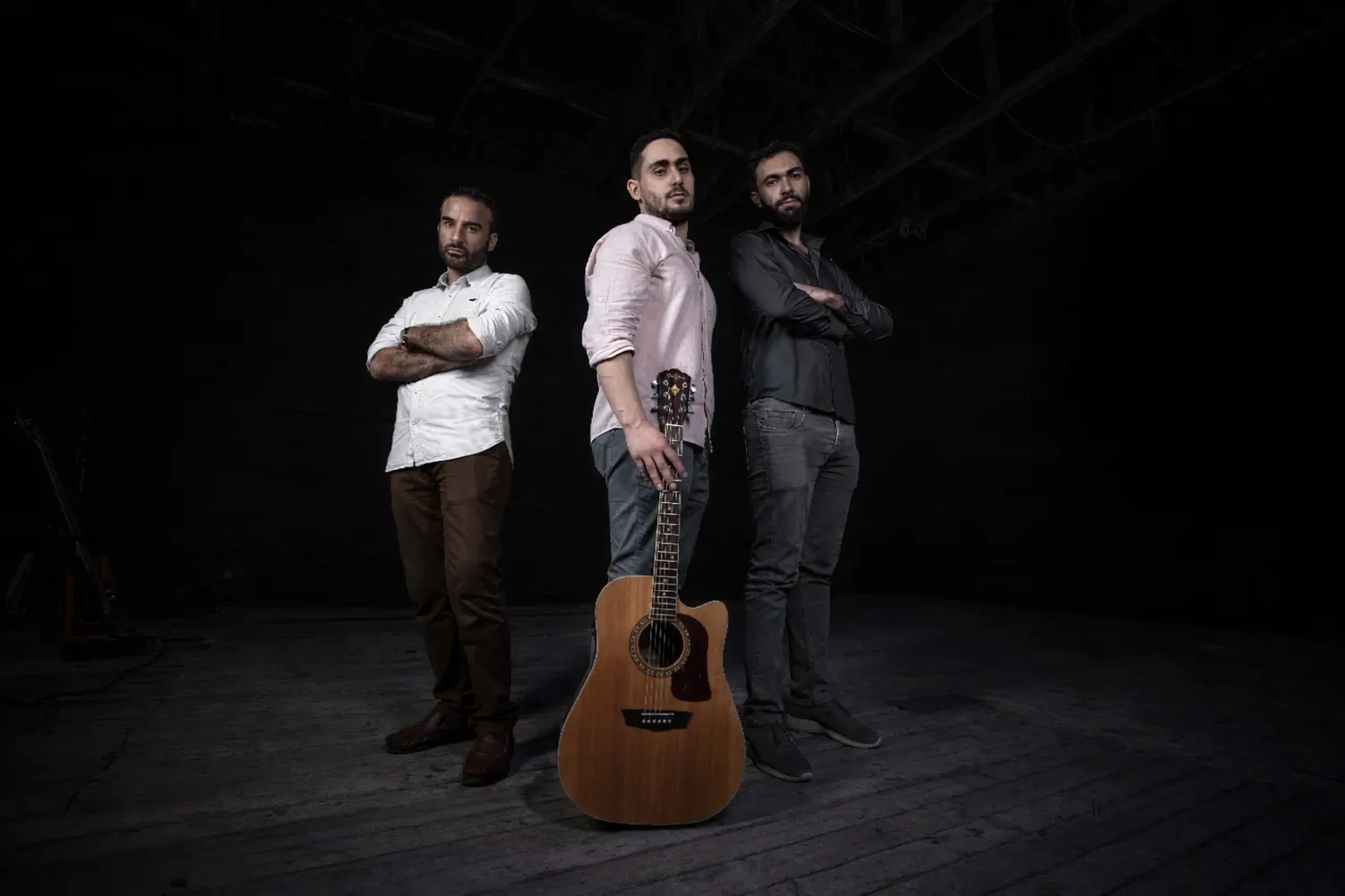
Learn moreOsprey V, Palestine & Canada
Angels Kneel
Biography
Osprey V consists of Raji AlJaro, Saed AlJaro, Moamin AlJaro and Ahmad Abuhowidy (born in Gaza) and Ash Moniz (born in Wawa), born between 1989 and 1993. Osprey V is a rock band of genocide survivors that also produce sound-art, video-art, and performance works.
Osprey V’s work has been presented in numerous institutions including Rockbund Art Museum, China (2025), Whitney Museum’s ISP Program, USA (2025), AlJazeera Documentary, Palestine (2021), Live for Gaza, Palestine (2021) & an upcoming performance at Palau Sant Jordi, Spain (2026).
Residency project
This residency is the first opportunity for the collective to be together (without fear of death) in years. Throughout the genocide in Gaza, they produced music/video as an enactment of hope, while facing unspeakable horrors. The residency’s safety/support will allow their unfinished works to come to full fruition.
Based on their experiences of survival, this project looks at the obstacles in making art during war. For example, searching for silence to record vocals (during bombardment), or being left with the footage of a collaborator, Ismail AbuHatab, who was killed in a bombing shortly after they filmed together.
Through sound, they aim to use mourning as a means of fighting for the living, and for the voices that are silenced. They will make audio/video recordings that blur the lines between music and art; producing soundtracks, scores, films and installations along the way.

Uzbekistan
Learn more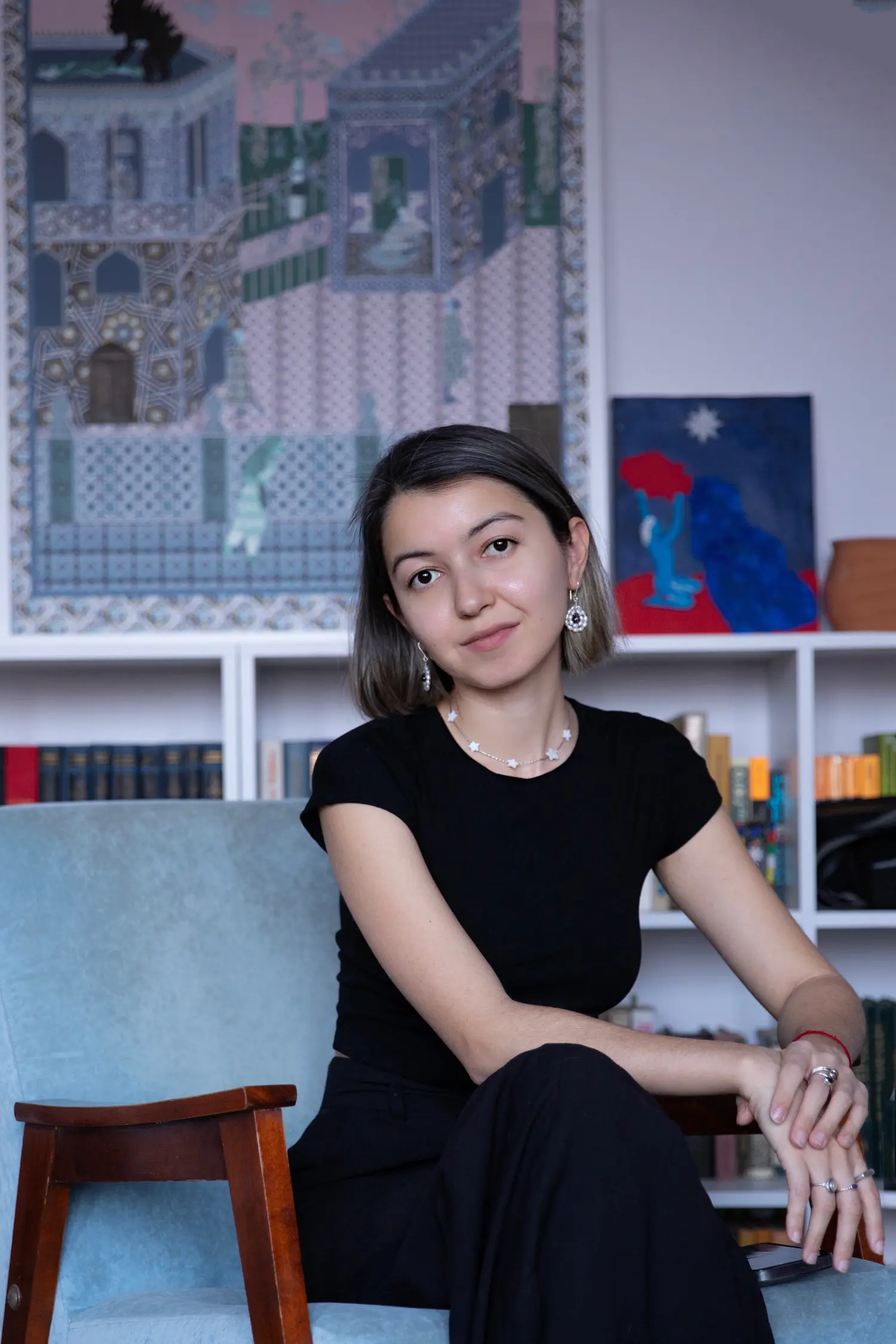
Oyjon Khayrullaeva, Uzbekistan
Keeper of memories
Biography
Oyjon Khayrullaeva was born in 1996 in Bukhara, Uzbekistan. Lives and works in Tashkent.
Her artistic practice is rooted in digital collage and explores the cultural heritage of Central Asia through memory, mythology, and architectural ornamentation. Working primarily with photographic documentation of mosaics from Bukhara and Samarkand, she reassembles fragments into new visual narratives that reflect on identity, gender, and historical continuity.
Drawing on mythological imagery, Oyjon Khayrullaeva approaches feminist themes by reinterpreting inherited symbols and narratives from a contemporary female perspective. Oyjon Khayrullaeva’spractice navigates between tradition and contemporary digital processes, creating layered compositions that function as speculative spaces of remembrance, resistance, and transformation.
Oyjon Khayrullaeva’s work has been presented in numerous institutions including: Bukhara Biennial, Uzbekistan (2025), Neuyat / Nemolchi.uz, Uzbekistan (2024), CyberQiz / Qizlar Collective, Uzbekistan (2024–2025), National Pavilion of Uzbekistan, Venice Biennale (2024).
Residency project
Keeper of Memories is a proposed project that will take the form of digital collage miniatures, created from photographic fragments of architectural ornaments, mosaics, and visual details from Bukhara. The works will be digitally assembled compositions informed by oral stories passed down from Oyjon Khayrullaeva’s grandmother about family life and the city’s past.
The project will draw on the compositional logic of Islamic miniature painting while using contemporary digital collage as its primary medium. Through these digitally constructed miniatures, the artist will explore memory, identity, mythology, and feminist perspectives, reflecting on women’s lived experiences in Central Asia and the tension between inherited cultural narratives and present-day realities.
Brazil
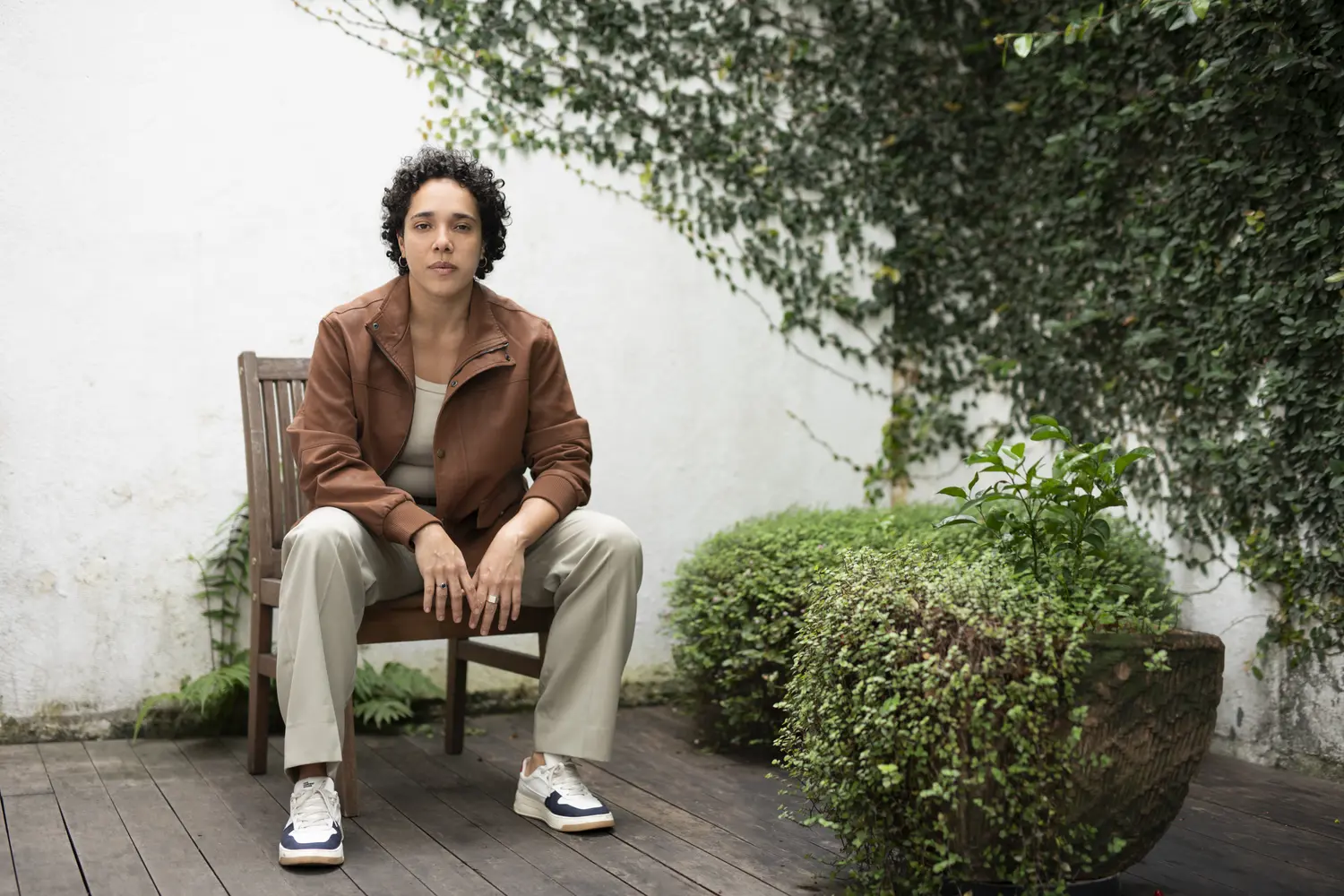
Learn moreRebeca Carapiá, Brazil
Rust diary - work in progress
Biography
Rebeca Carapiá was born in 1988 in Salvador, Brazil.
Using mainly iron and copper, her work takes the form of sculptures, installations, drawings, and engravings, in which torsion, bonding, and approximation of these materials constitute an abstract calligraphy. With words as their starting point, Rebeca Carapiá’s pieces inflate, bend, and slice language in an exercise to dislocate it from a linear and monolithic position. As such, her work shapes itself as a distinctive language, the result of the bond between body, terrain, memory, and knowledge stemming from the artist’s own experiences, as well as those imbued in the materials of the pieces.
Rebeca Carapiá had works commissioned by the 36th Biennial of São Paulo, Brazil (2025), by Instituto Inhotim, Brazil (2024), and the 38th Panorama da Arte Brasileira, promoted by the MAM São Paulo, Brazil (2024). She also participated in the show Behold, we are here, Sweden (2022).
Residency project
For the residency period, Rebeca Carapiá proposes the continuation and expansion of the rust diary, taking Paris as a field of observation and listening. The wanderings through the city and its suburbs, the encounters with its landscapes, architecture, and everyday gestures will feed a writing made up of notes, fragments, and words with breathing space. A notebook where rust is not only matter, but a method of looking, of decanting, and of letting time act on things.
From this diary, she unfolds the work into metal sculptures and drawings that investigate relationships of strength, lightness, and spatiality. The sculptures are born from the friction between body and material: cutting, welding, twisting, bending, finishing. She carries out the entire technical process herself, as she considers manual construction to be a fundamental part of the work. It is in the gesture, in direct contact with the metal, that formal thought takes place.

Brazil
Learn more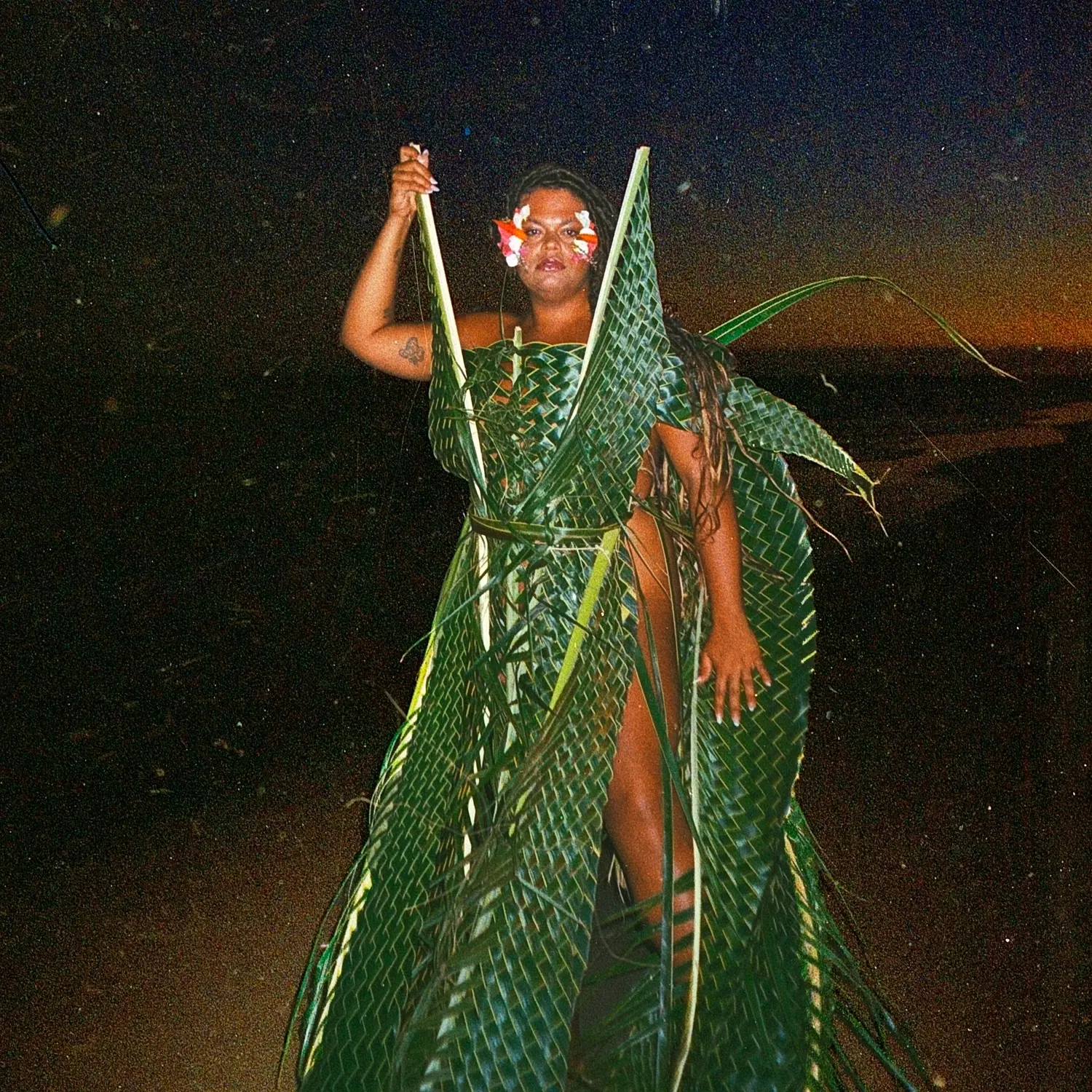
Ventura Profana, Brazil
Rust diary - work in progress
Biography
Ventura Profana was born in 1993 in Salvador, Brazil. Lives and works between Salvador, Rio, and São Paulo.
Raised in Baptist temples, she is a missionary pastor, gospel singer, composer, and visual artist whose practice is rooted in researching the implications and methodologies of Christianity in Brazil and abroad through the spread of neo-Pentecostal churches.
Ventura Profana’s work has been presented in numerous institutions including the MASP, Brazil (2025), the Bergen Kunsthall, Norway (2025), Les Rencontre D'Arles, France (2025), Swiss Pavilion at the Venice Biennale (2024) and São Paulo Biennial, Brazil (2023).
Residency project
The community gathers at the temple, the worship ritual is established, the rock dances: an earthquake shakes the foundations of the prison. The project begins with an investigation into the myths surrounding the appearance of the Black Madonna and how these presences confront misogynistic theological thinking, paving the way for another understanding of Christianity.
From there, Ventura Profana links her theological practices, expanding the process of imagination and relationship with and around Deise, a goddess who loves and does everything to protect transgender people from a necropolitical reality. Part of the work consists of designing a traveling temple and composing a musical performance based on the biblical text of 1 Peter 2:4-10. Its message is rooted in the existence of the stone rejected by men but precious to God. What for many is a stumbling block is, in fact, the cornerstone in the construction of the temple.
Second session - coming in September 2026
Find out more about our residences


The 2026 Selection Committee
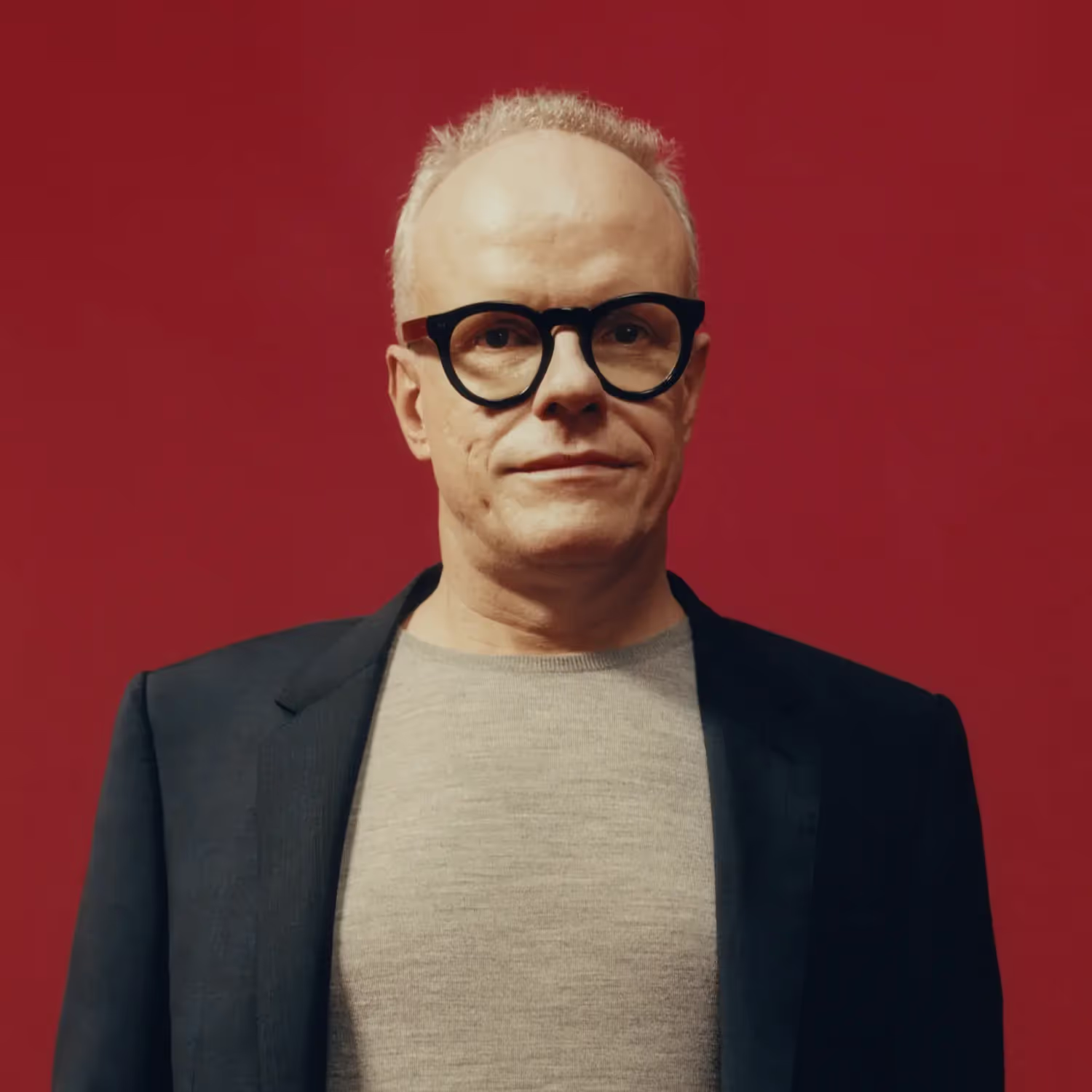
Artistic Director of the Serpentine Galleries in London
Learn more
Director of the Haus der Kulturen der Welt (HKW) in Berlin
Learn more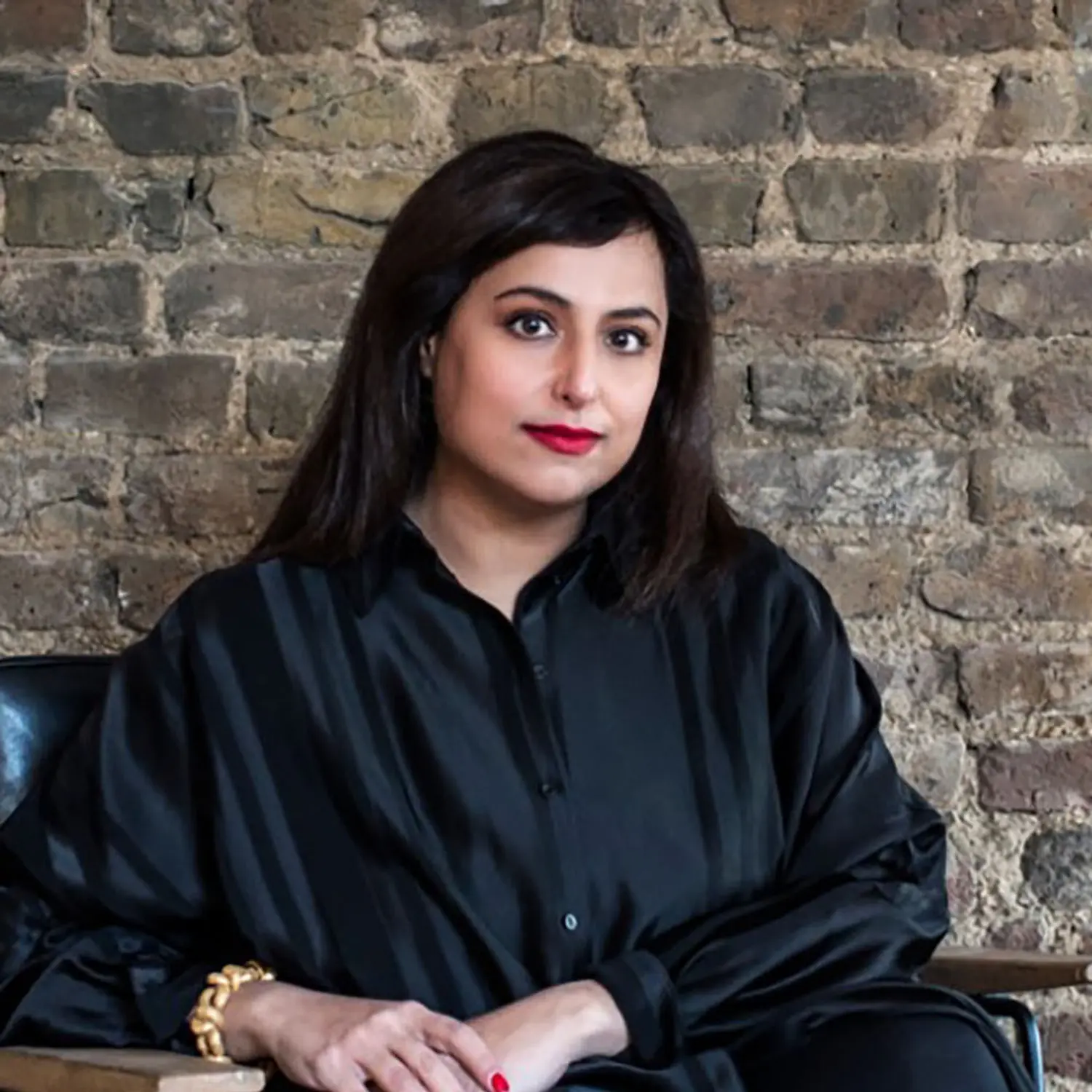
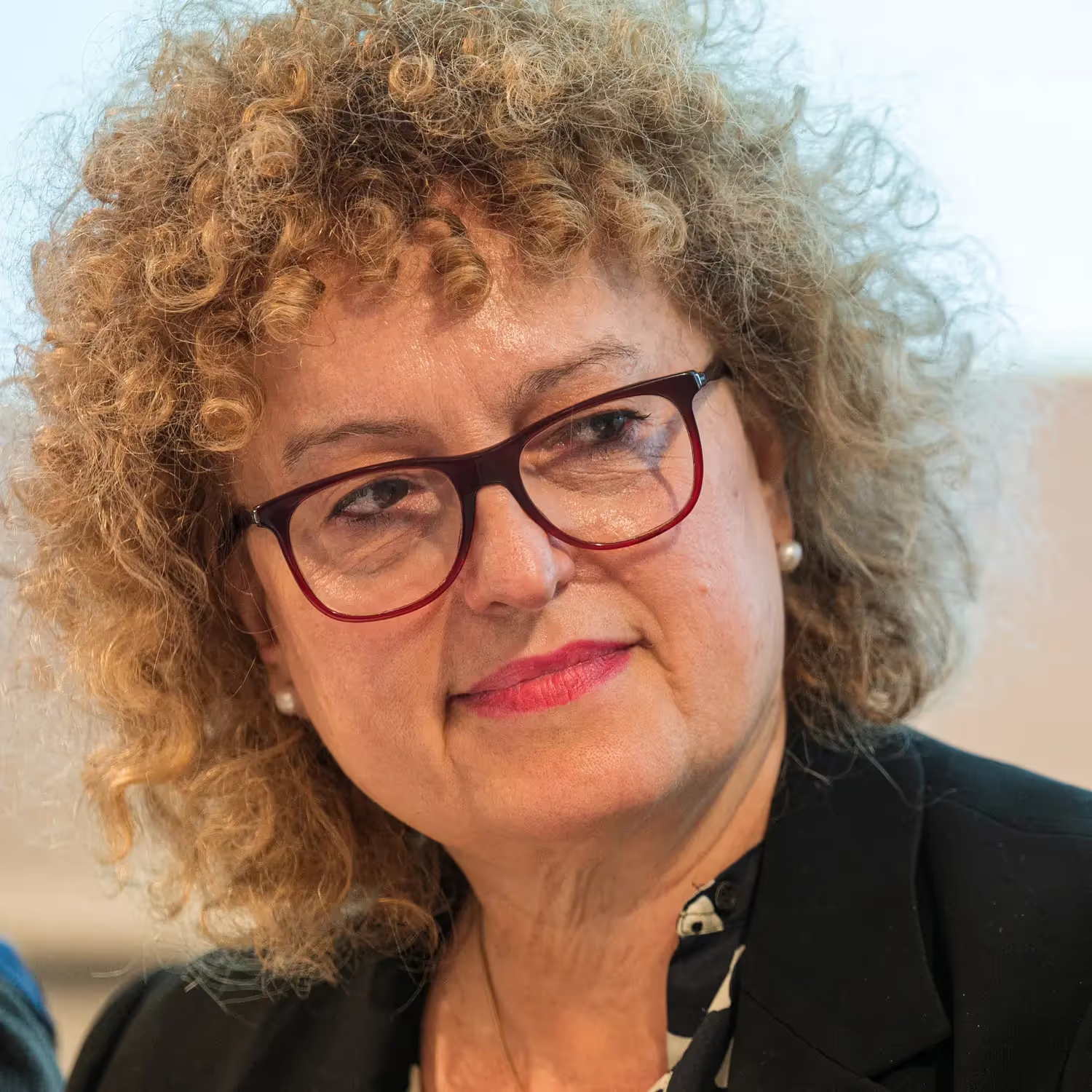
Curator, writer and Honorary Guest Professor at FHNW University in Basel
Learn more
Lonti Ebers Chief Curator of Media and Performance at The Museum of Modern Art (MoMA)
Learn more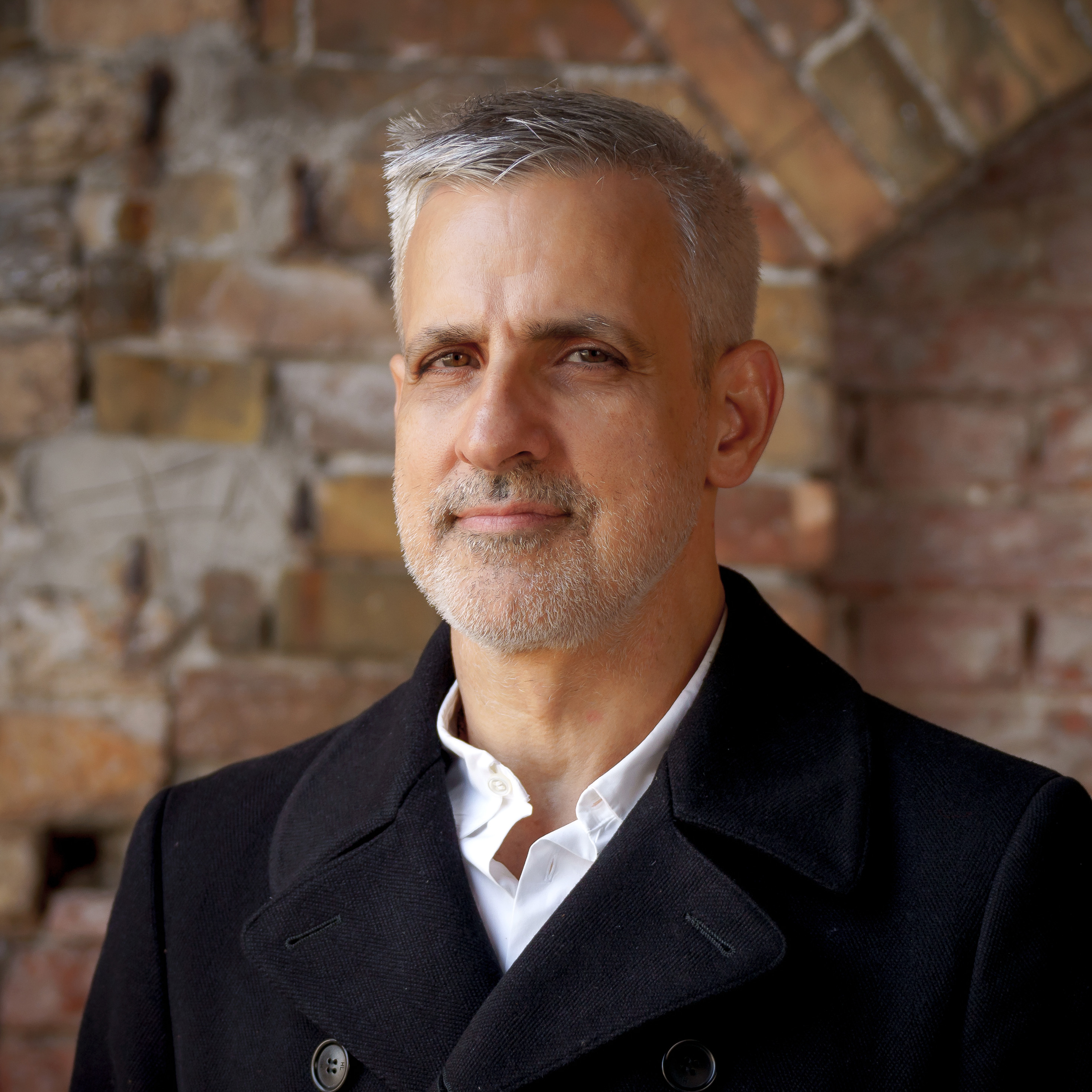
Artistic Director of Museu de Arte de São Paulo - Assis Chateaubriand
Learn more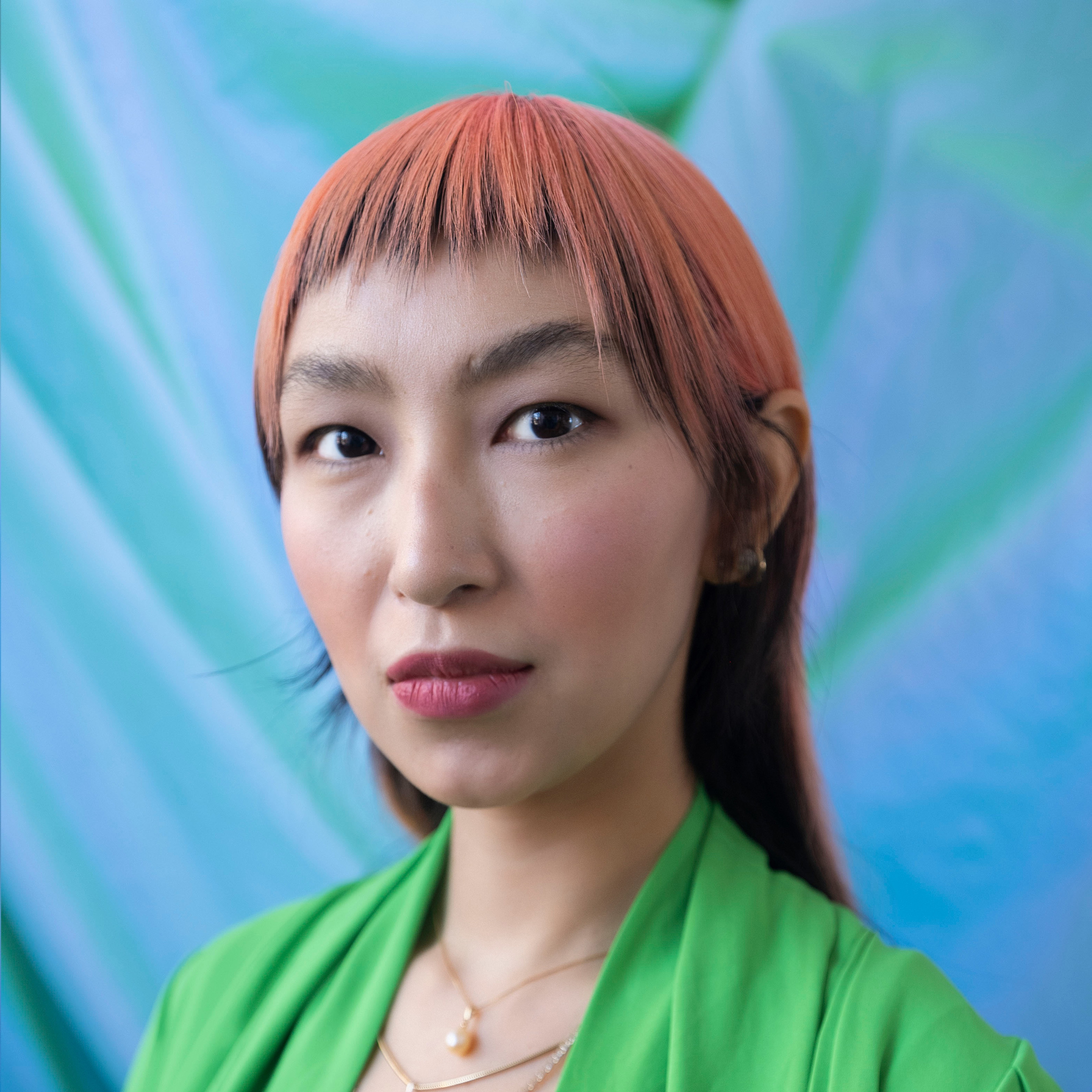
Director and Chief Curator of the Rockbund Art Museum (RAM) in Shanghai
Learn more2025 Residents
1st session - from spring 2025
Italy
Learn more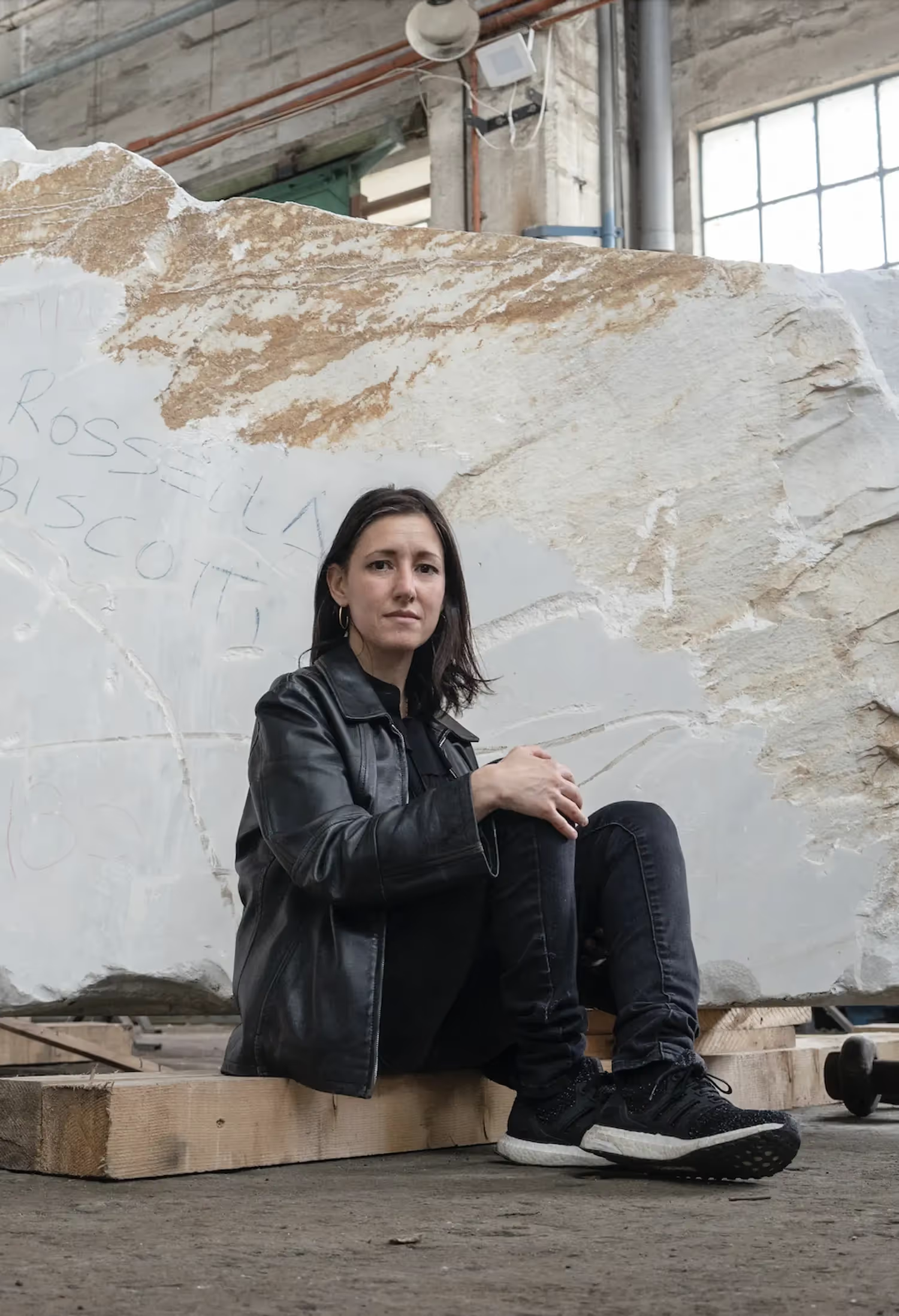
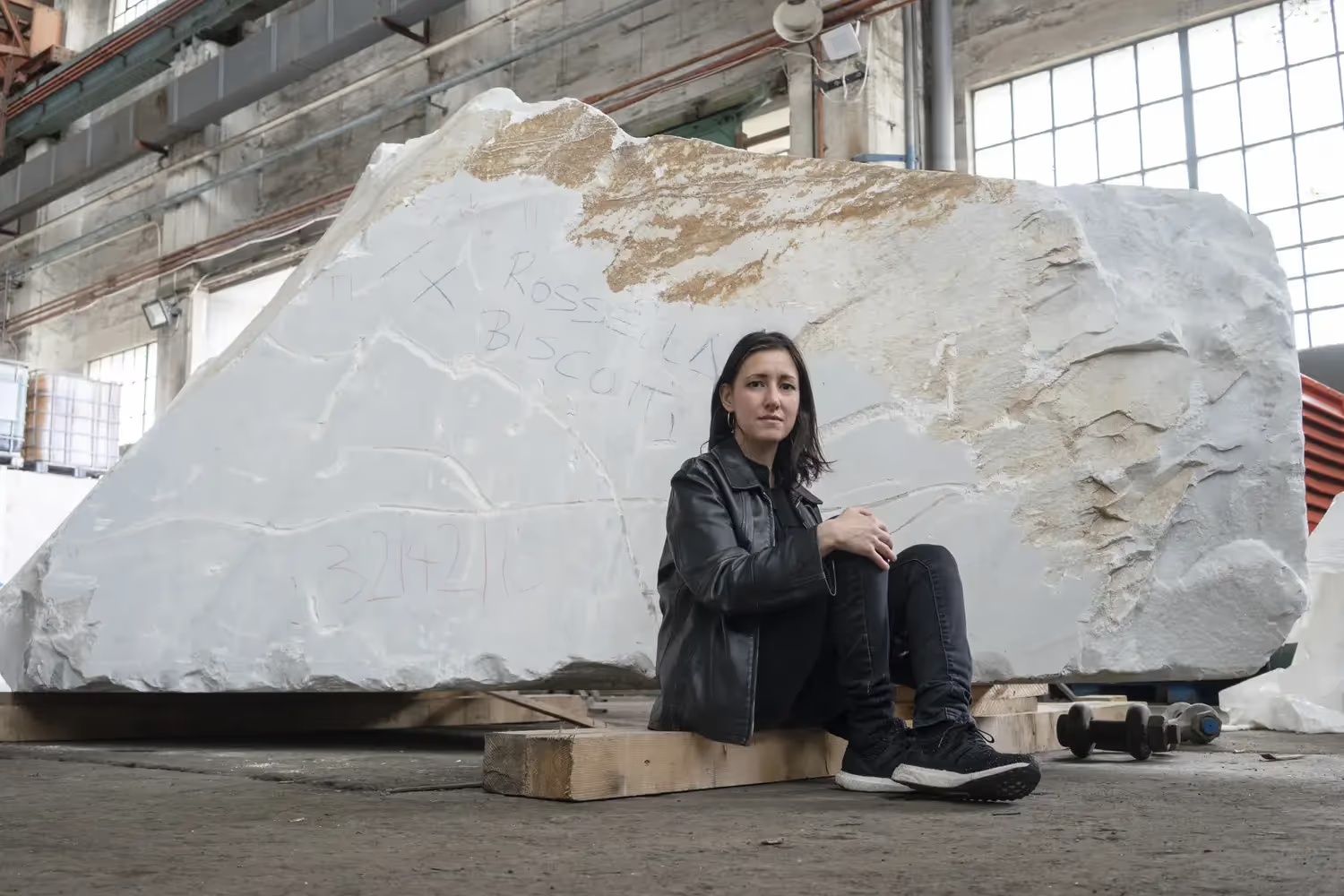
Rossella Biscotti, Italy
script in sentence
Biography
Rossella Biscotti was born in 1978 in Molfetta in Italy. She lives and works between Brussels and Rotterdam. She is an artist whose practice cuts across sculpture, performance, sound works, and filmmaking exploring social and political moments from recent times through the subjectivity and experiences of individuals often in opposition to violent institutionalized systems. Rossella Biscotti’s artworks encapsulate meticulous stratifications of materials and meanings.
Rossella Biscotti’s work has been exhibited in in international institutions, such as Castello di Rivoli Museo d’Arte Contemporanea, Italy (2024), Dhaka Art Summit, Bangladesh (2020), Kunstinstituut Melly, the Netherlands (2019), 55th Venice Biennale, Italy (2013), Secession, Austria (2013), dOCUMENTA 13, Germany (2012) and Manifesta 9, Belgium (2012).
Residency project
The project “script in sentence” seeks to explore the dynamics of public space in Paris through a series of performative interventions. Scripting site-specific performances for public spaces, mainly simple streets and corners, it’s an exercise of observation, imagination and engagement while investigating the tension between movement and restriction, gestures and the social power structures of the city, gender and race. The performances will involve subtle, often unannounced actions, introducing small portable objects that serve as both props and extensions of the body, and could play with notions of support, gift and restriction; fragmented texts, and choreographed movements. The performances will be fleeting, minimal, and grounded in the everyday — offering both poetic and political reflections on how bodies navigate spaces overlapping history and routine.
United States
Learn more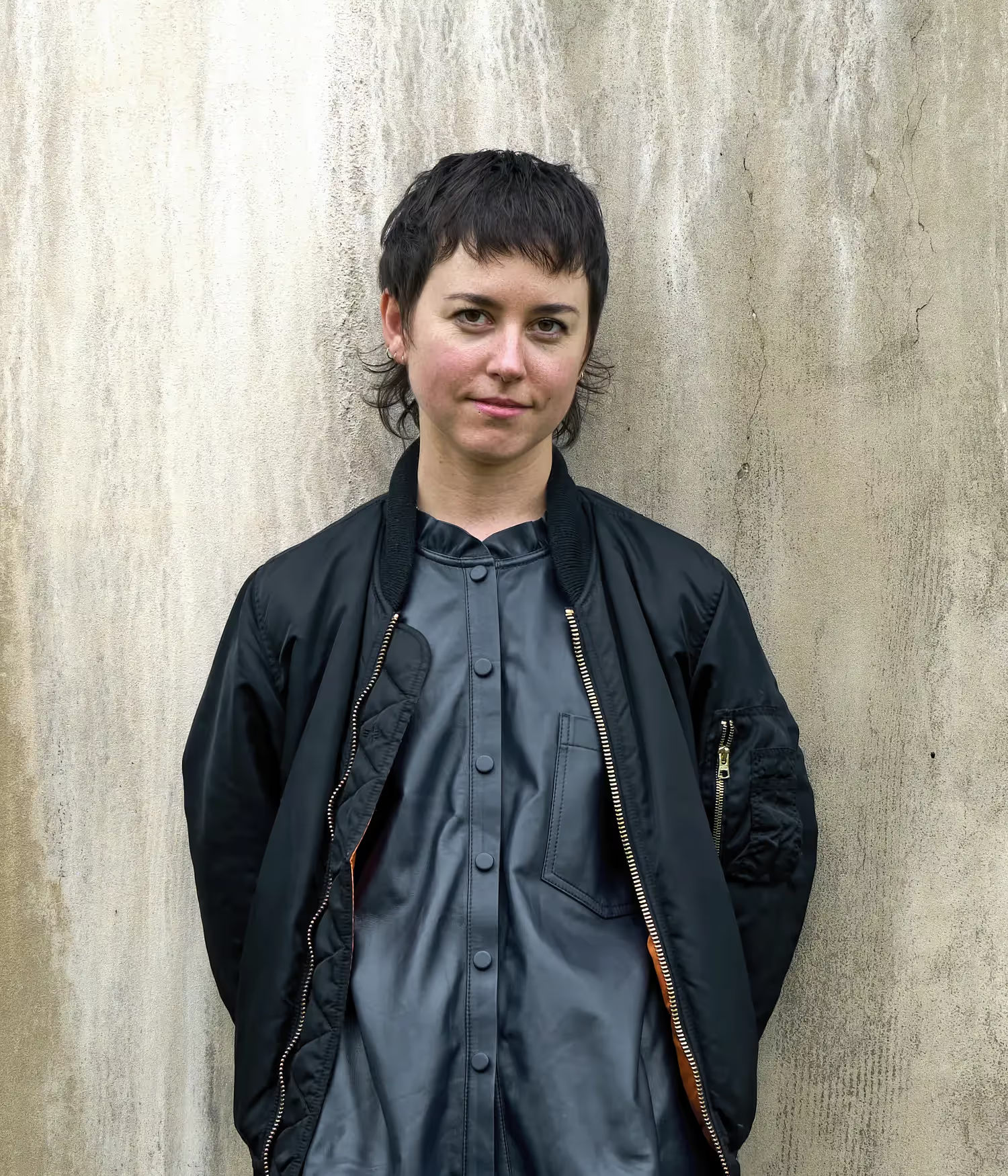
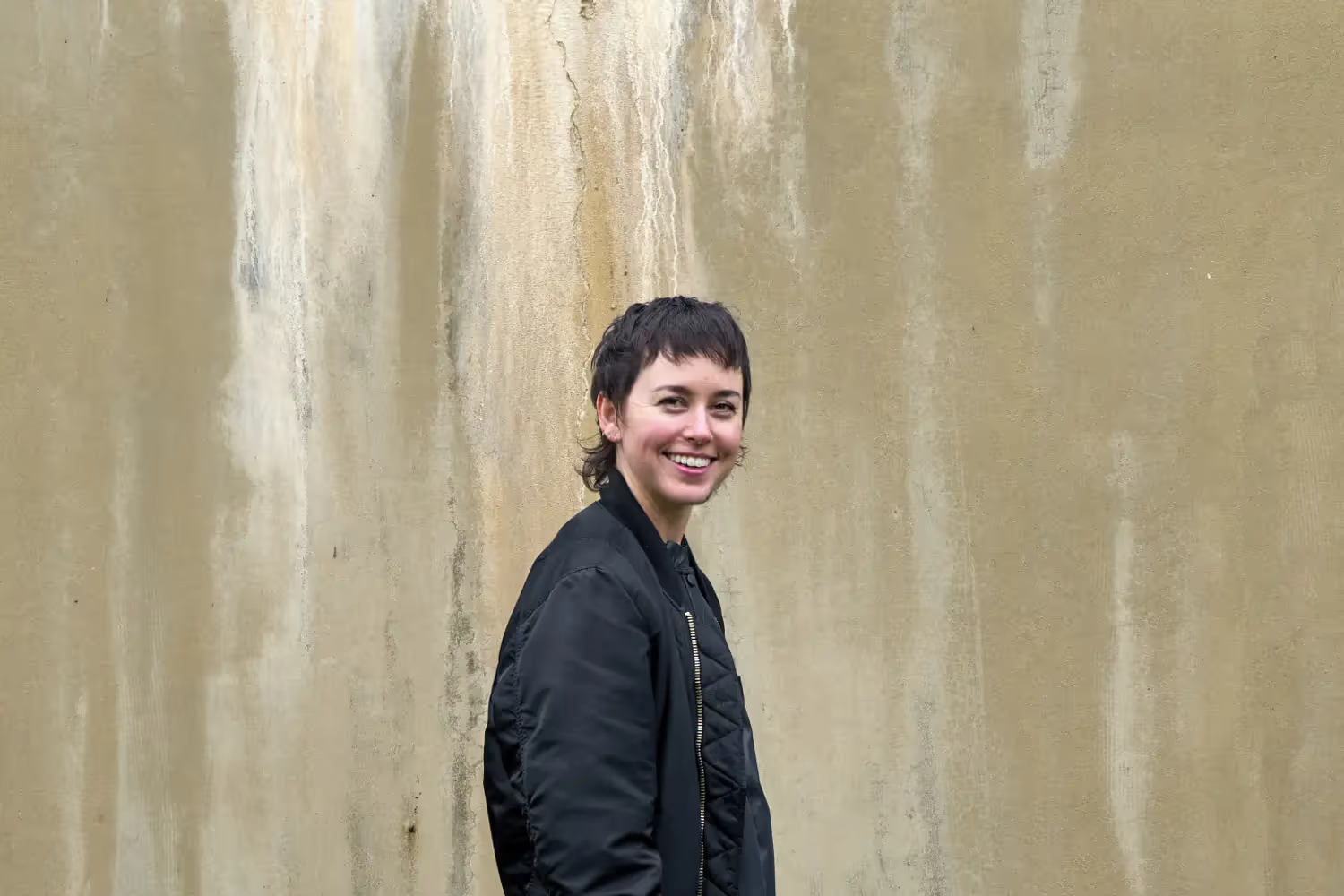
Alice Bucknell, United States
EARTH ENGINE
Biography
Alice Bucknell was born in London. They live and work in Los Angeles. Their recent work has focused on creating cinematic universes within game worlds, exploring the affective dimensions of video games as interfaces for understanding complex systems, relations and forms of knowledge. Alice Bucknell’s work has been presented in numerous institutions including Medialab Matadero and LEV Madrid, Spain (2024), Pacific Standard Time (PST) (2024), Arcade Seoul, South Korea (2023), Singapore Art Museum, Singapore (2023), Museum of Contemporary Art in Fort Worth, United States (2023).
Residency project
“EARTH ENGINE” is broadly a video game about climate futures, planetary agency, and the paradox of predictive technologies in closing down other possible futures. The mechanic of the game is a planet that plays itself, one that reverses the typical hierarchy between playable characters and environment, or subject and landscape, by making the game world the main character.
Something between an ecological tamagotchi and a divination tool, “EARTH ENGINE” rejects the modular fantasy of a wholly quantifiable world. Merging local climate data based on the player’s IP address with long-range climate forecasts and a GPS randomization spawn, the game generates a new world with each playthrough. The project considers time, grief, and the affective dimensions of the climate crisis that escape the infinite grid of a digital Earth double.
“EARTH ENGINE” is co-supported by a 2025 Creative Capital Grant in the US and its commissioner, the 2025 MUNCH Oslo Triennial.

Kosovo
Learn more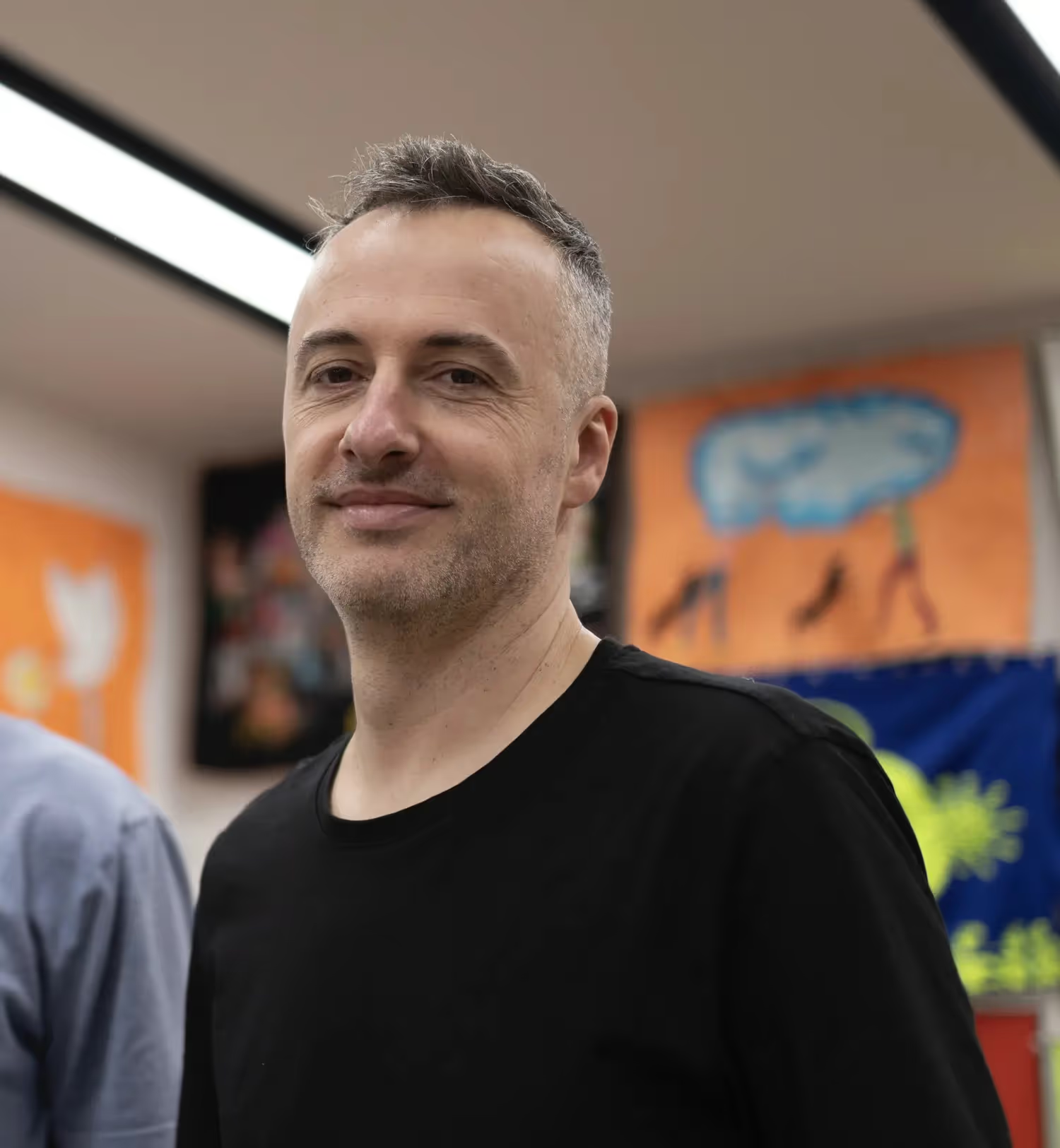
Jakup Ferri, Kosovo
Tintirinti
Biography
Jakup Ferri was born in 1981 in Prishtina, Kosovo. He works and lives between Amsterdam and Prishtina.
His work often evokes elements of children’s books, folk art, and outsider art, although his real inspiration comes from microorganisms as seen through an electron microscope. The figurative paintings and embroideries he creates are based on surreal drawings that depict everyday life in a world populated by animals, acrobats, geometric forms, and utopian architecture. These images create poetic interactions between people, creatures, and objects, inviting silent dialogues and suggesting new ways of communication between species.
Jakup Ferri represented Kosovo at the Venice Biennale in 2022. His work has been shown in numerous institutions including Harewood Biennial Leeds, United Kingdom (2024), Ludwig Museum Budapest, Hungary (2024), Kunstmuseum Luzern, Switzerland (2023), Manifesta Biennale 14 Prishtina, Kosovo (2022).
Residency project
For his project “Tintirinti”, Jakup Ferri will continue with his research into the various textile techniques, including tapestry, handmade carpets, and diverse forms of hand embroidery. These methods have significantly influenced his creative practice. He deeply values the authenticity, craftsmanship, and unpolished character of handmade textiles. For the last decade, his research has spanned across textile histories from regions such as Burkina Faso, Ghana, Senegal, Haiti, Suriname, Turkey, and the Balkans. This exploration has enriched his understanding of the cultural and historical significance of textile art, informing into his own creative vision.
Philippines
Learn more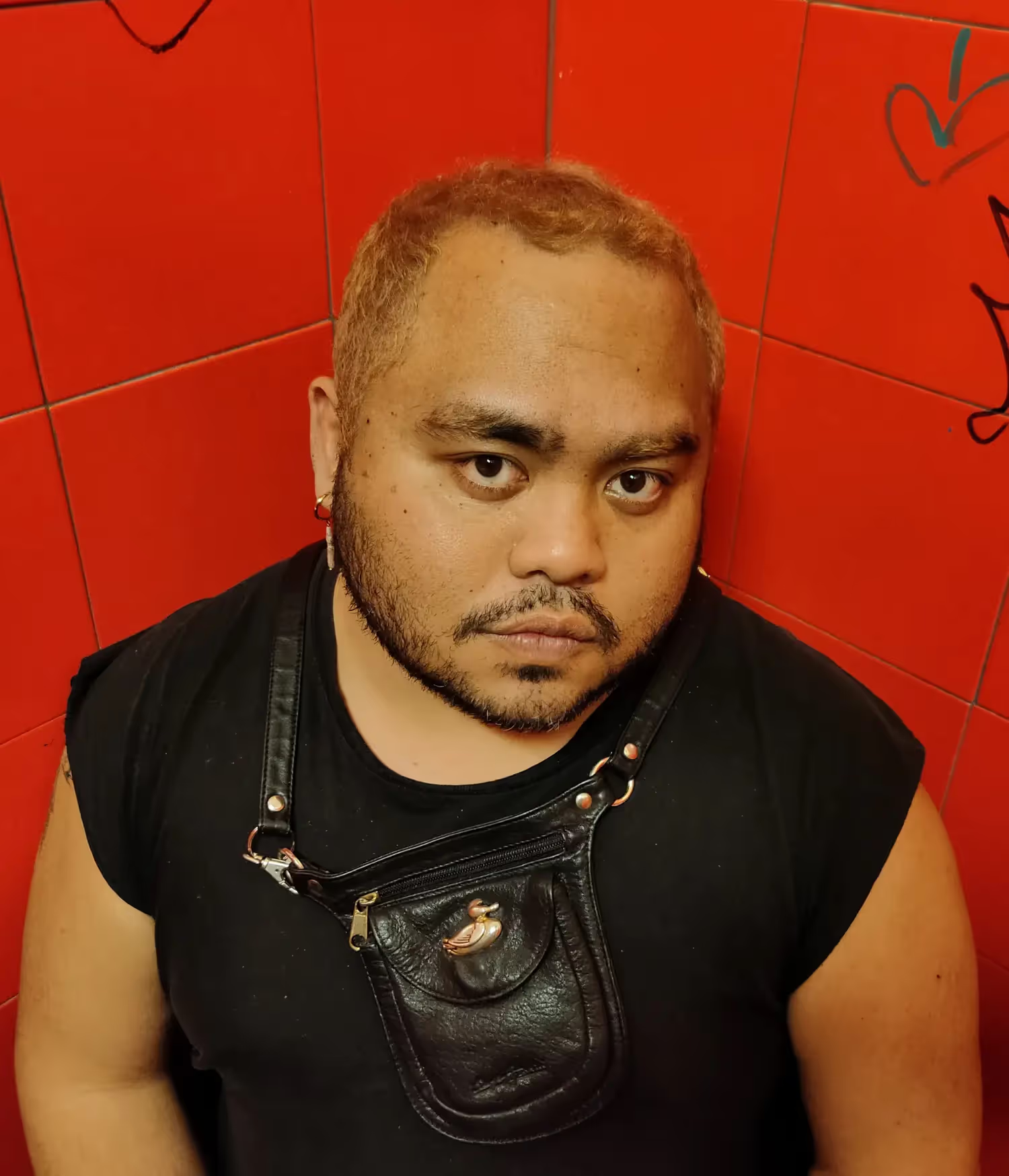
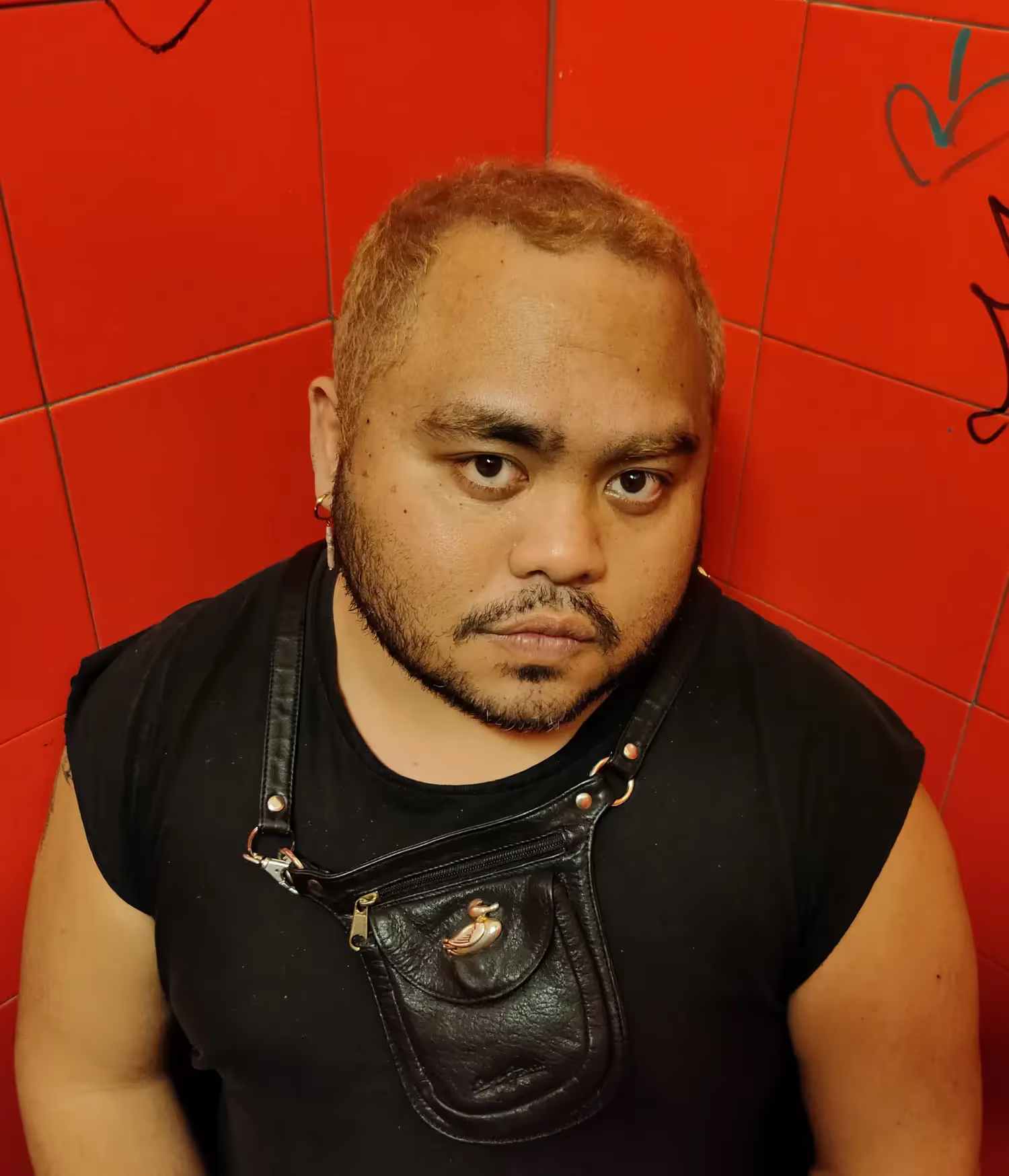
Liryc Dela Cruz, Philippines
We Shall Takeover The World
Biography
Liryc Dela Cruz was born in the Philippines. He lives and works in Rome. Deeply rooted in decolonial methodologies, his work examines the post-colonial history of the Philippines, the Filipino diaspora, and the lives of care, domestic, and cleaning workers. By bridging personal and collective narratives, Liryc Dela Cruz interrogates identity, belonging, and labor, fostering dialogue and imagining futures shaped by radical care, shared histories, and the unlearning of colonial legacies. His works has been shown in numerous institutions including Santarcangelo Festival, Italy (2024), Mattatoio di Roma, Italy (2023), Teatro di Roma, Italy (2021), Jihlava International Documentary Film Festival, Czeck republic (2018, 2020, 2021) and Locarno Film Festival, Switzerland (2015).
Residency project
In the pursuit of understanding the deep ties between labor, identity, and colonial legacies, Liryc Dela Cruz’s residency project in Paris continues his ongoing research on care, hospitality, and the experiences of Filipino workers. Through encounters centered on storytelling, reflection, and decolonial practices, Liryc Dela Cruz facilitates spaces where participants can share their lived experiences, engage with Filipino history, and reflect on the role of labor in shaping identity. These encounters will culminate in a collaborative work that weaves together personal narratives of displacement, labor, and resistance. By integrating these experiences with his films and installations, Liryc Dela Cruz will further investigate the persistent colonial processes embedded in care work, using the residency as a space to reclaim agency and amplify marginalized voices through collective artistic expression.

Lebanon
Learn more
Rana Hamadeh, Lebanon
The Destiny project: Standard_Deviation IV
Biography
Rana Hamadeh was born in 1983, in Lebanon. She lives and works in Rotterdam.
Her artistic practice integrates curatorial methods, producing theatrical performances, networked media, interactive sound systems, and audio-visual installations, often structured as long-term, sequential projects. Since 2016, she has developed an “operatic practice”, exploring collective thinking and models of machinic extension, focusing on justice's epistemologies and technologies through formats like theatre-works-as-media-installations, music from statistical data, and machinic opera. She examines "alienness" as both a legal outcast and a discursive tool, addressing law, theatre, and alternative topographies of a re-imagined world order. She investigates testimony beyond legal paradigms, contrasting rational tribunal utterances with the unspeakable, creating an "archive of erasure."
Rana Hamadeh’s work has been presented in numerous institutions including Performa Biennial, U.S.A (2023) Edith-Russ Haus, Germany (2022), The Secession, Austria (2021), Kunsthalle Winterthur, Switzerland (2019), Rotterdamse Schouwburg, the Netherlands (2017).
Residency project
The Destiny Project (2020-X) is a long-term research project that is invested in the question of the production, consumption, circulation and articulation of 'desire' within the contemporary global public discourse. It attunes itself particularly to the economies, technologies and destinies/destinations of (machinic) desire, as manifested in – as well as shaped by – fields such as predictive and prescriptive analytics and the nascent fields of data justice and algorithmic justice.
In France, Rana Hamadeh plans to develop a new operatic tragedy inspired by two interlinked welfare scandals: The Dutch “Toeslagen Affaire” – where algorithmic bias by tax authorities devastated migrant families through false accusations of fraud – and a similar case in France where discriminatory algorithms by CNAF impacted low-income migrant families.
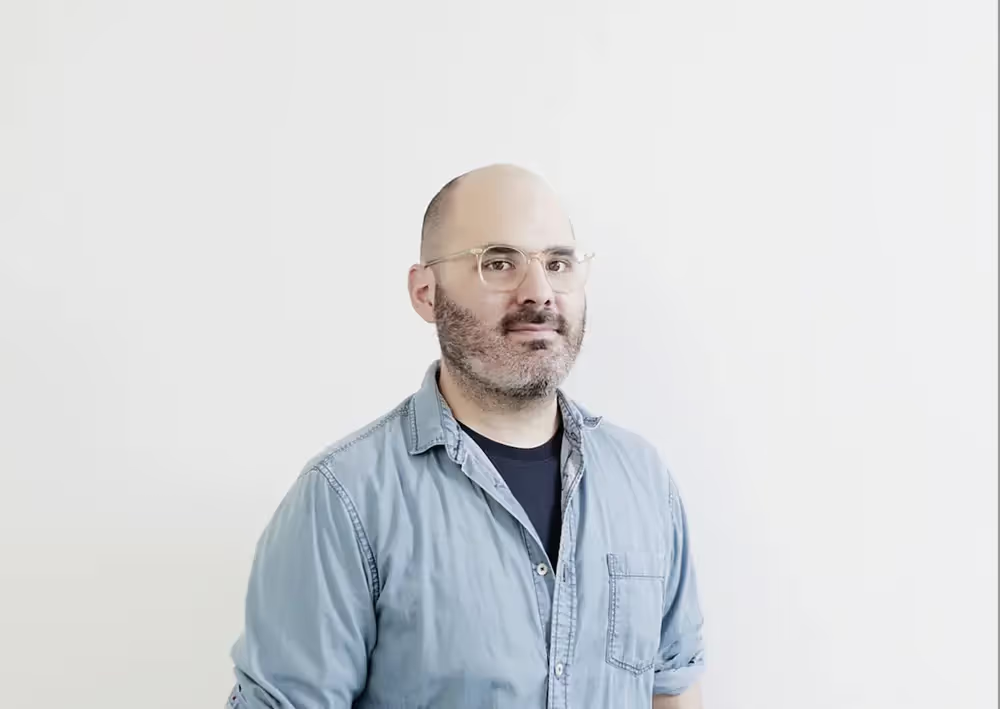
Mexico
Learn more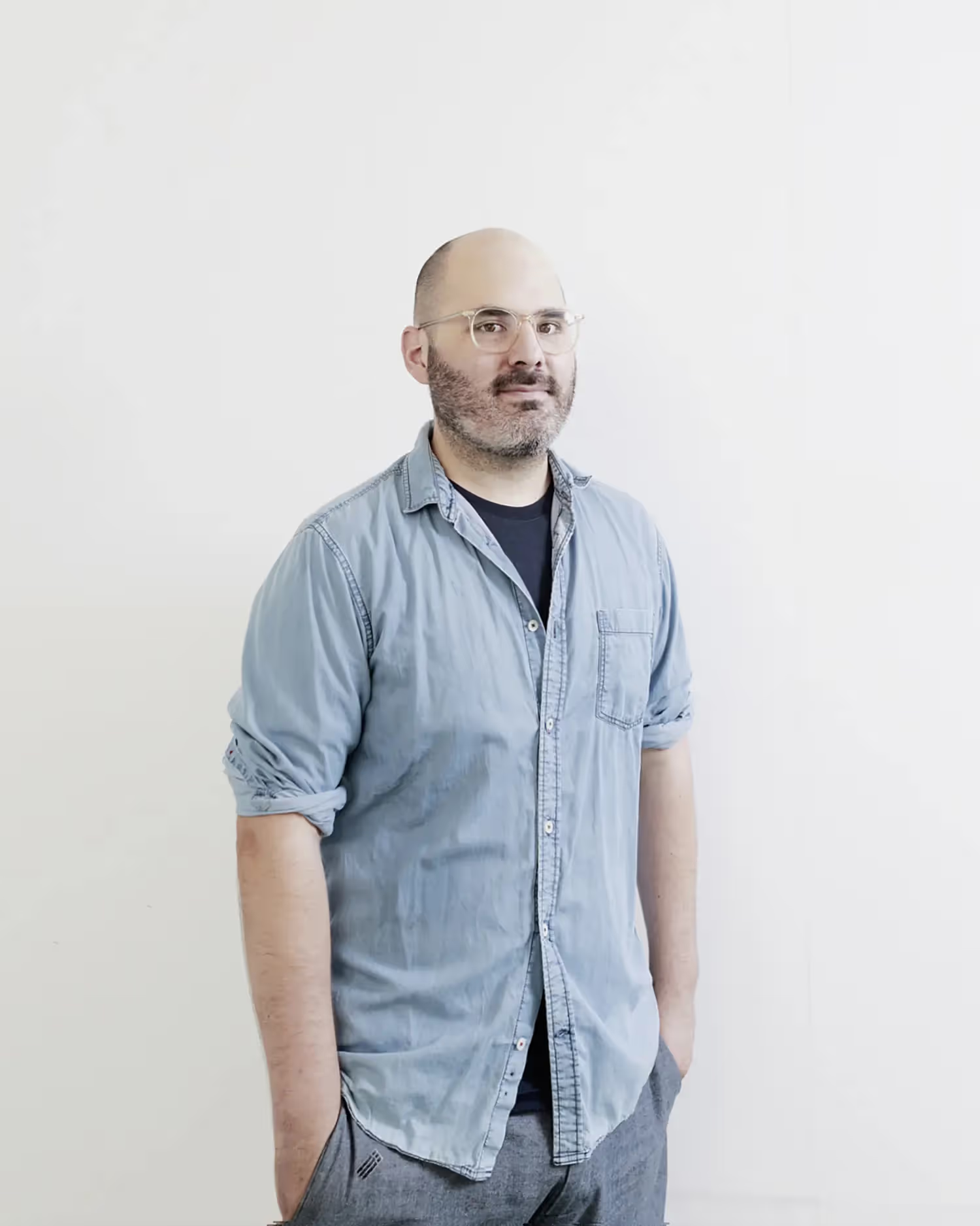
Rodrigo Hernández, Mexico
Conchita
Biography
Rodrigo Hernández was born in 1983 in Mexico City. He lives and works in Mexico City. His practice encompasses sculpture, painting, drawing and installations, and is anchored in a research of the world of dreams and fiction. Rodrigo Hernández’s work has been presented in numerous institutions including Wattis Institute, USA (2024), Kestner Gesellschaft, Germany (2023), Museo Jumex, Mexico (2022), Swiss Institute, USA (2022), Istanbul Modern, Turkey (2020), Kunsthalle Basel, Switzerland (2018).
Residency project
Using the novel from the Parisian writer Patrick Modiano “Dora Budor” as a starting point, Rodrigo Hernández will extend his research on memory, dreams and auto fiction narratives in relation with the biography of his grandmother Conchita. Both stories touch upon themes of escape, childhood and the vertigo of finding oneself at the brink of the unknown.
In Paris, which for Modiano’s work is not only a recurring setting but also a central character, he wants to explore the trope of urban wandering connected with the act of dreaming, as seen in cases such as the photography of Eugène Atget; Baudelaire’s flâneur, the Situationist dérives, the Dada “excursions”, Walter Benjamin’s “Arcade Project”, to name only a few.
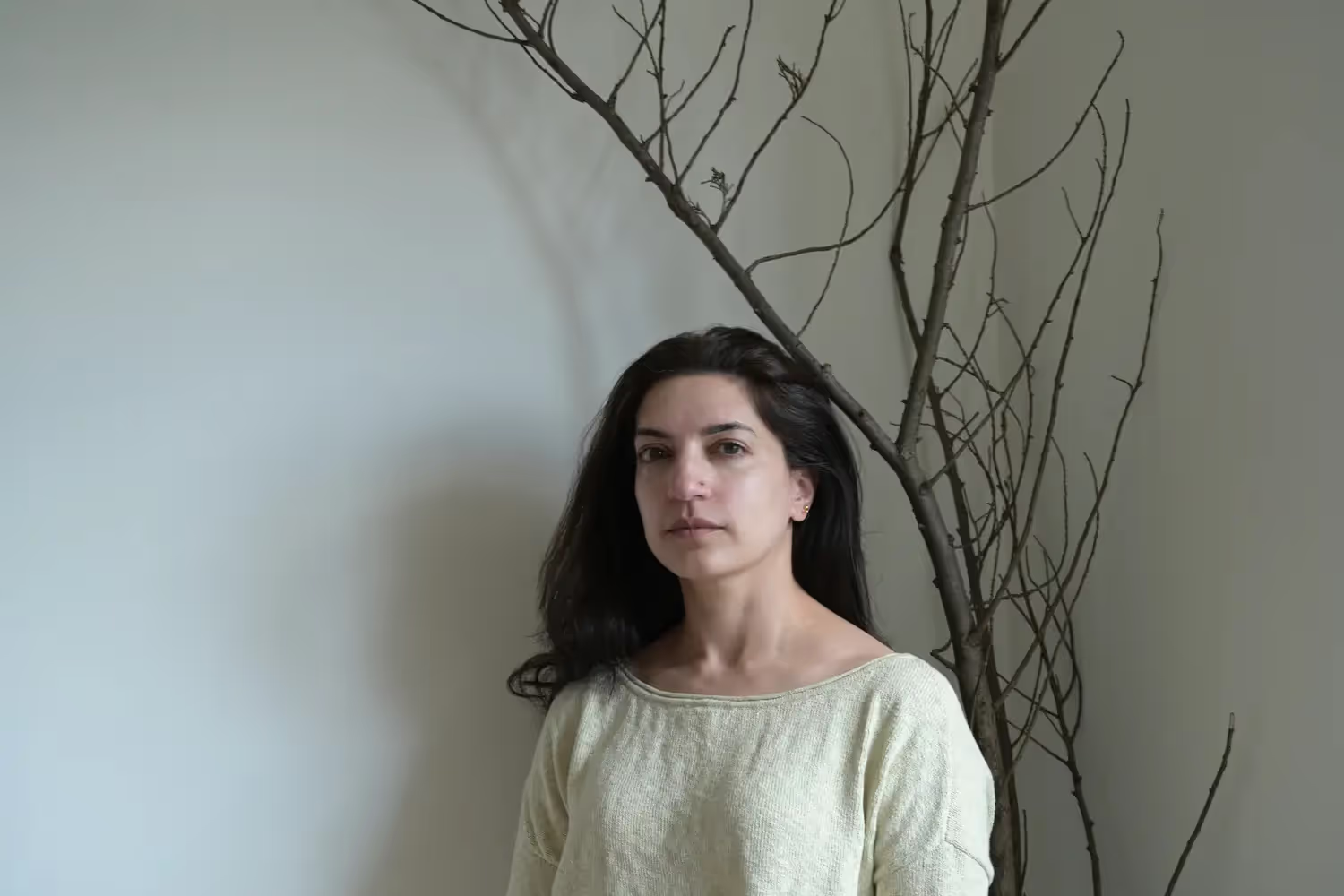
Pakistan
Learn more
Saba Khan, Pakistan
Keeping Afloat in Grey Liquid
Biography
Saba Khan was born in 1982 in Lahore Pakistan. She lives and works between Lahore and London. Her interdisciplinary work stretches over the fields of art, ecology, performance, colonial histories which come together through expeditions, research and fieldwork. The work explores the history and politics of water bodies, flow, fluidity - bodies blocking water and bodies moving along water. Her works weave through the language of memorial, monument and public projects, balancing grandeur, artifice and satire in order to explore the cracks in the structures. Saba Khan founded Murree Museum Artist Residency and a satirical collective ‘Pak Khawateen Painting Club’. She recently exhibited at Swiss Institute, USA (2024), National Museums of Qatar, Doha (2024), Sharjah Art Foundation, UAE (2022), Lahore Biennial 02, Pakistan (2020).
Residency project
Water engineering was a tool for colonial expansion, control, and growth of agriculture in the 19th century Indian-Subcontinent. Saba Khan’s previous research on water control draws parallels with new tools for control of liquid capital, fluidity of money, by monitoring groups, such as Financial Action Task Force (FATF) based in Paris. The new banking structures have not considered creative practitioners and women, pushing them further on the peripheries with more stringent and misogynistic rules. Saba Khan relates these new regimes akin to water projects of the British Raj and the World Bank. Large dams were built to harness unruly waters of South Asia, while the policies of FATF are used to block the flow of dirty money and money laundering but its implementation effects the lives of artists, ordinary citizens, migrant workers and women.
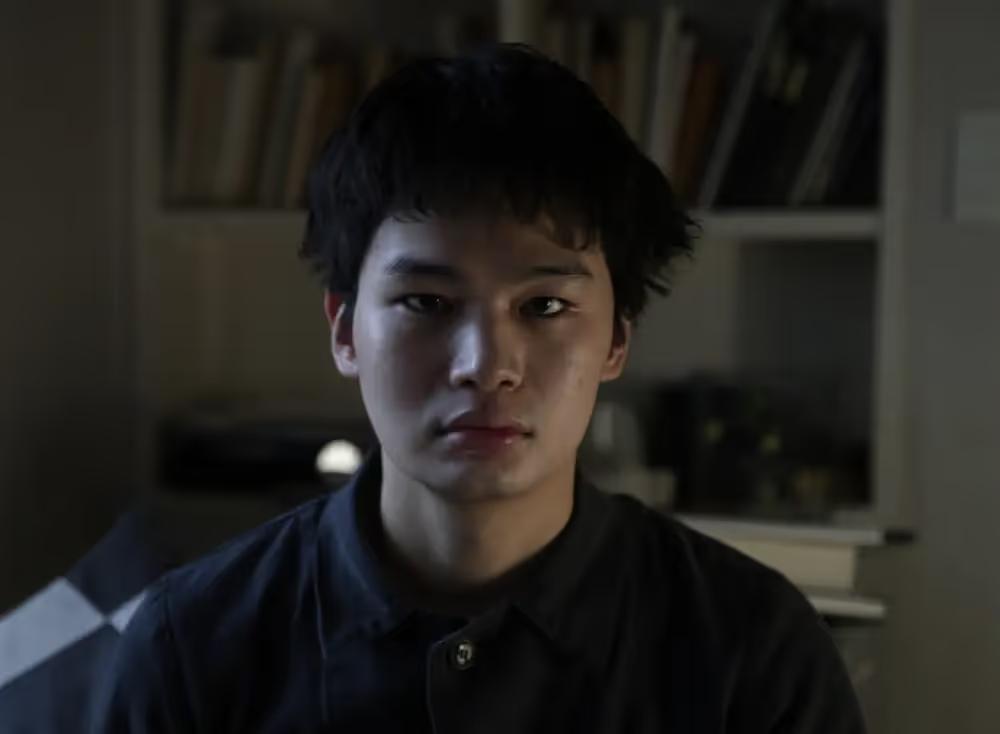
South Korea
Learn more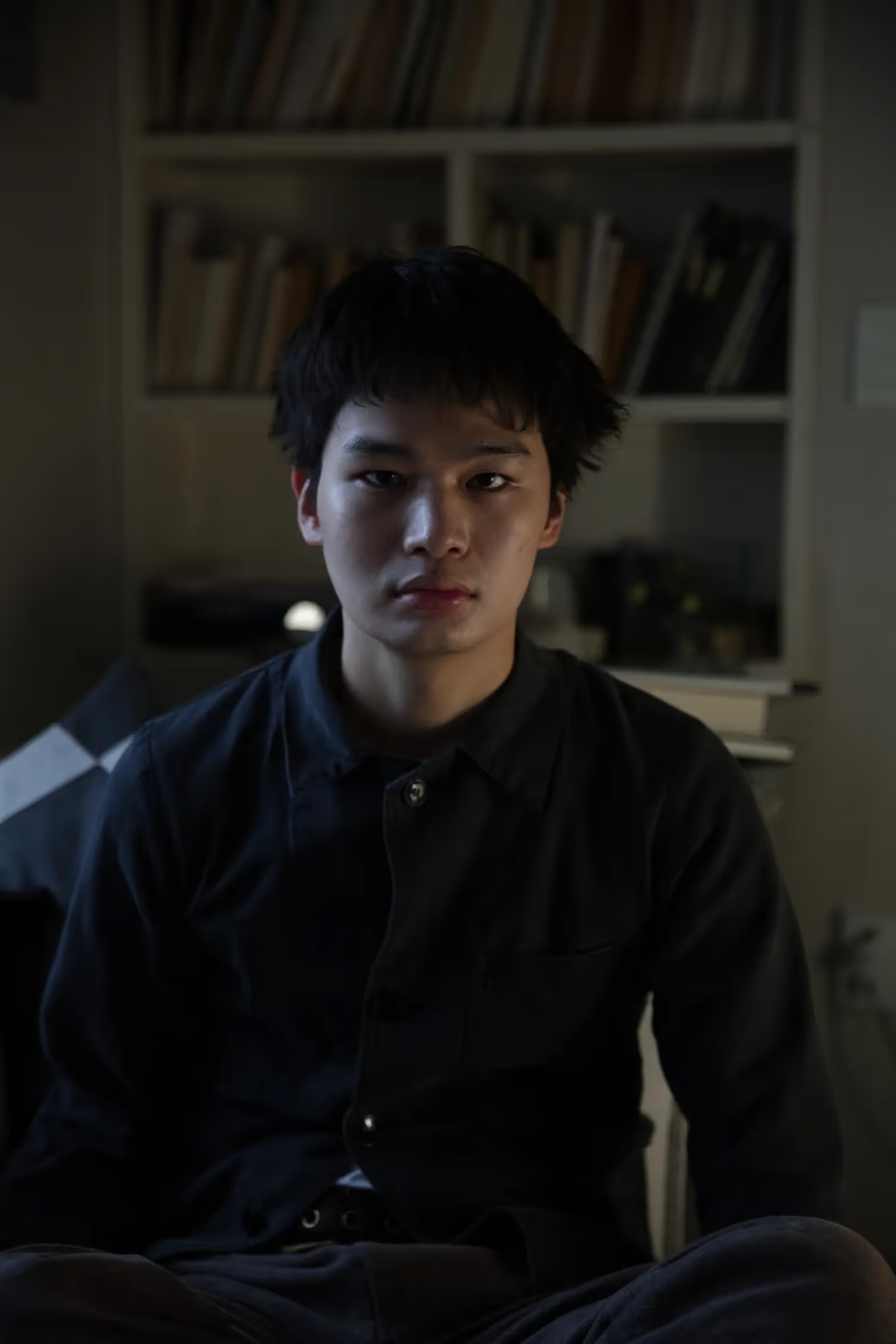
Muyeong Kim, South Korea.
Biography
Muyeong Kim was born in 1995. He lives and works in Seoul.
Muyeong Kim looks into the affinities of contradictory desires through staging, camera, and wall installations. He is particularly interested in the workings and makings of a stage, most recently allowing further exploration into aestheticized victimhood, or a study of willed passivity and its violent ruptures.
His recent exhibitions include Leeum Museum of Art, South Korea (2024), Frieze No.9 Cork Street, United Kingdom (2024), Amado Art Space, South Korea (2024), N/A, South Korea (2023), and Shower, South Korea (2023).
Residency project
Continuing his research into pinhole camera portraiture and various theatrical locations, Muyeong Kim will study the isolation and obscuring conditioning of observation contained within box-like structures, both large and small. The box-like examples the artist has chosen for his new research, in order of size, are as follows: photographs with a colorization technique that emerged in Japan after the invention of black and white photography and before the invention of color photography; a reconstruction of a sedan chair, a wheelless litter that first originated in the French Sedan region; and a leprosy hospital built by the Japanese in Korea during the Japanese occupation.
Northern Macedonia
Learn more
Oliver Musovik, North Macedonia
Urban Voids
Biography
Oliver Musovik was born in 1971 in Skopje. He lives and works in Skopje, North Macedonia.
Oliver Musovik’s practice explores urban ecology, resilience, and the intersections of nature and human intervention, often through photography and visual storytelling. His work has been presented in numerous institutions, including the Skopje Museum of Contemporary Art, North Macedonia (2021), +MSUM Museum of Contemporary Art Metelkova, Slovenia (2018), Fridericianum Kassel, Germany (2003), Manifesta, Germany (2002), and the Istanbul Biennial, Turkey (1999).
Residency project
The project investigates Paris’s urban voids—neglected, overlooked spaces where nature and the built environment intersect. These ambiguous zones, such as abandoned railway lines, concealed utility structures, and depopulated villages, challenge the typical narratives of urban development by showcasing ecological resilience and adaptive growth. Drawing on theories of "terrain vague" and the "Third Landscape", the project highlights the cultural and ecological significance of these unmanaged spaces, proposing them as sites of alternative possibilities. Through systematic photographic documentation, the work aims to foster a deeper appreciation for these spaces as vital, untamed elements of the urban fabric.
France
Learn more
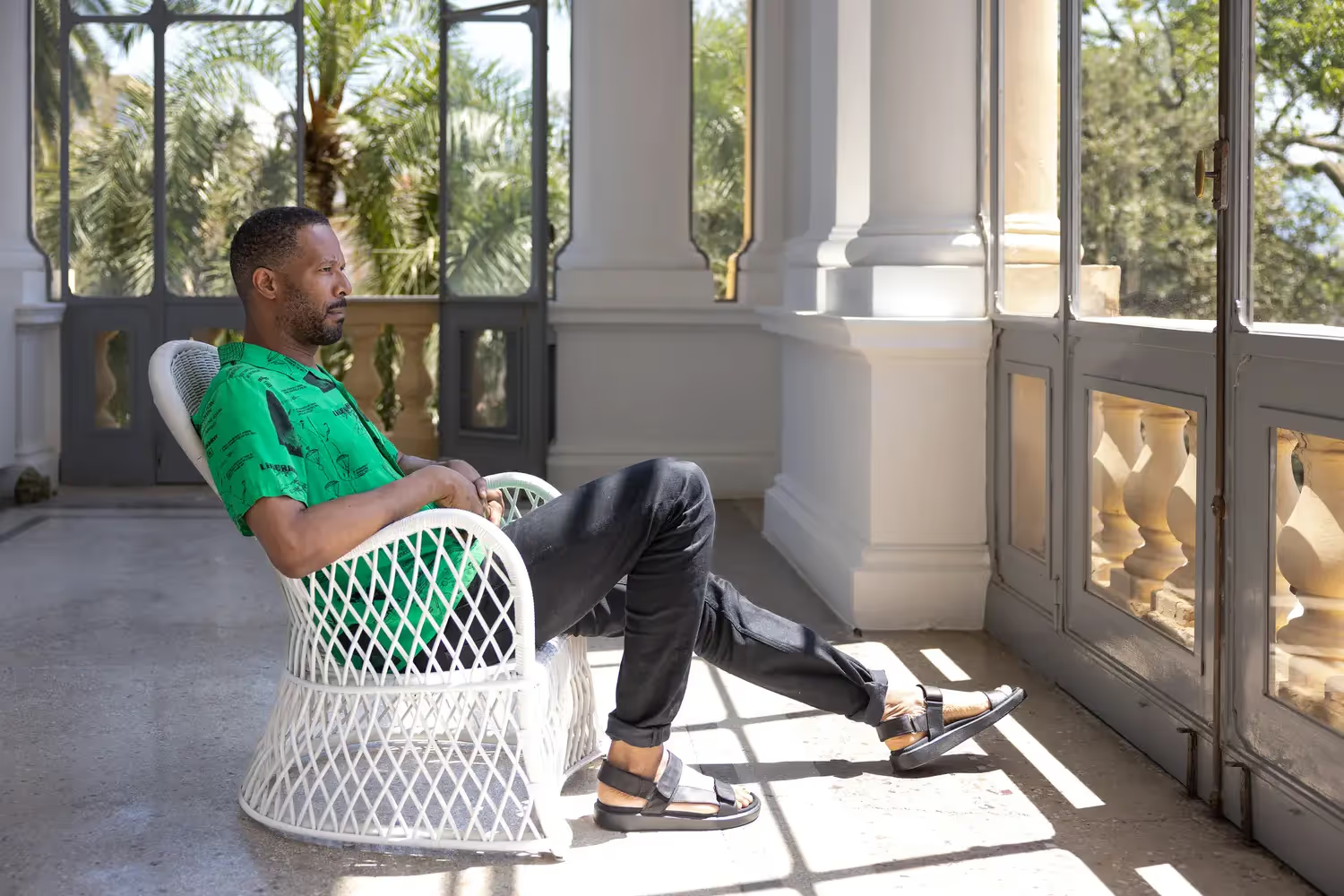
Jimmy Robert, France
The thin line between care and violence
Biography
Jimmy Robert was born in 1975 in Guadeloupe. He lives and works between Paris and Berlin.
Jimmy Robert’s multidisciplinary practice encompasses performance, photography, film and collage, frequently collapsing distinctions between these mediums. Jimmy Robert’s interest in how the body can be personified through materials and the reverse is a force that integrates his longtime work with performance with his larger practice. He has choreographed performances within exhibition spaces, in relation to existing architectural structures, as well as re-staging, reframing or sampling historical performances. The frequent citation of moments from art history, film and literature is characteristic of his deeply layered narratives.
His work has been presented in numerous institutions including a mid- career survey at Nottingham Contemporary, United Kingdom (2020), which travelled to Museion Bolzano, Italy and CRAC Occitanie, France (2021). Recent solo exhibitions include Moderna Museet, Sweden (2023), Centre national de la danse, France (2023), Kunsthalle Baden-Baden, Germany (2022), Künstlerhaus Bremen, the Netherlands (2022) and Hunterian Museum and Art Gallery, Scotland (2021).
Residency project
Has the relation to the Police always been the same in France? Jimmy Robert’s project explore this subject in the way that Nietszche posits History, from a monumental as well as archival and critical point of view. In a first research phase Jimmy Robert would like to dive deeper into the subject to deal it with justesse, in order to developp a new performance. He is curious about meeting Paris-based people like Fabien Jobard – political scientist who has inquired a lot into Police violence –, journalist David Dufresne and Assa Traoré. Mediapart has also done a lot of work on the subject and he’s looking forward to digging into their archives.
Indonesia
Learn more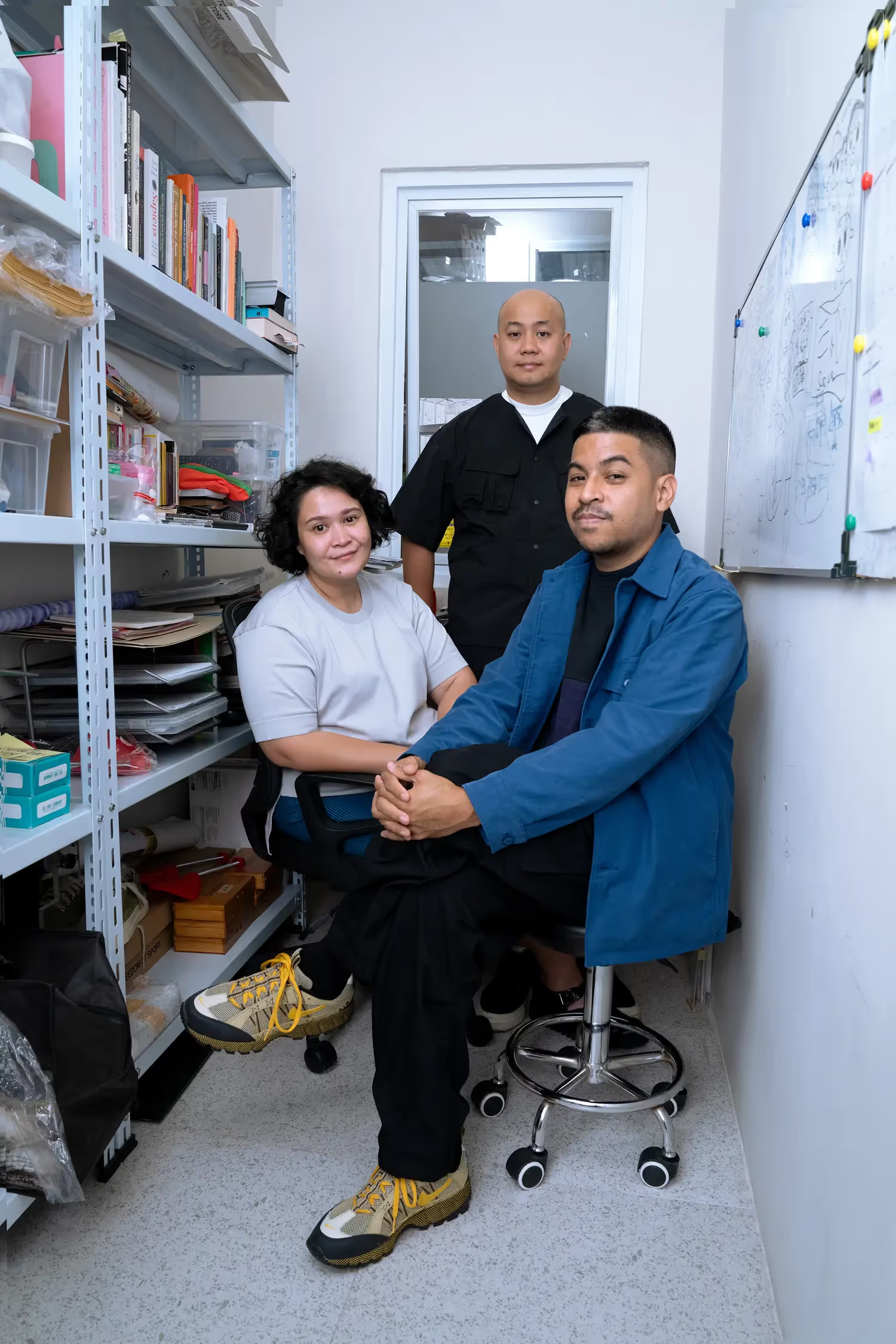
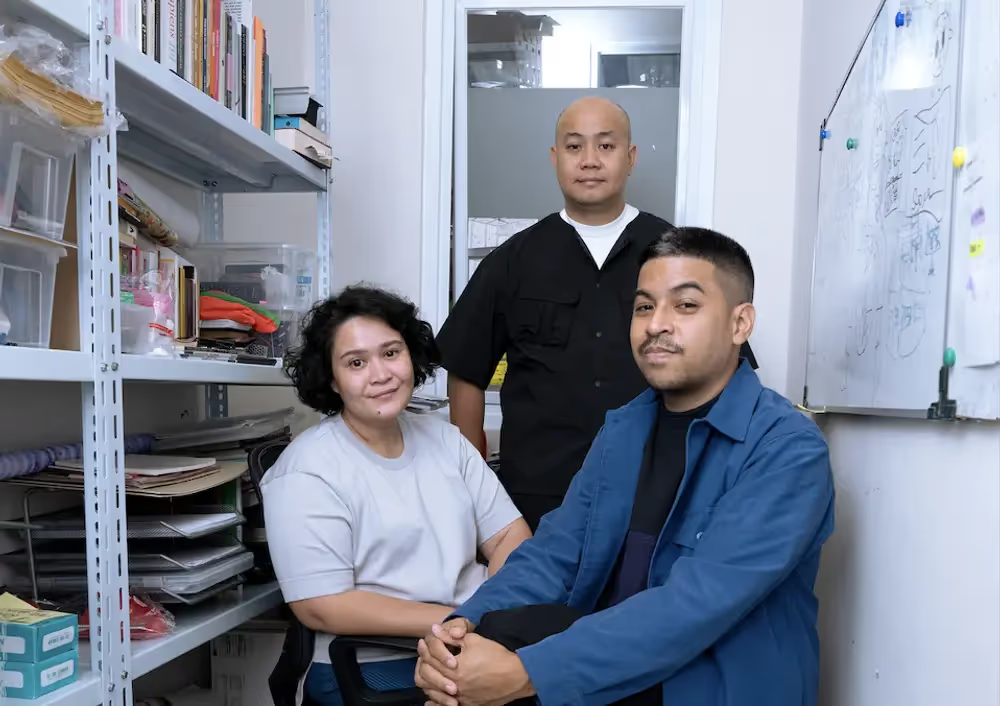
Tromarama, Indonesia
The Avatar's Currency
Biography
Tromarama is an artist collective formed in 2006 by Febie Babyrose, Herbert Hans, and Ruddy Hatumena. They live and work in Bandung and Jakarta, Indonesia. The three create works combining video, installation, and computer programming. Underpinning their artmaking is their collective interest in the influence of digital media on society’s perception of its surroundings. Their projects revolve around the expanding field of possibilities whereby individuals continuously generate new forms of value through data collection, interpretation, and use as they navigate cyberspace. Their work has been presented in numerous institutions including Julia Stoschek Foundation, Germany (2024), Videobrasil, Brazil (2023), M+, Hong Kong (2023), Kunsthal Charlottenborg Biennale, Denmark (2023), Kunstinstituut Melly, Netherlands (2023).
Residency project
“The Avatar’s Currency” explores the intersections of identity, commerce, and digital representation. It draws parallels between the opulent masquerade balls of 17th and 18th-century France and the performative nature of modern digital personas within the market economies. The project aims to examine the role of anonymity throughout history, particularly in masquerades and today's digital environments, in enabling individuals to take on different personas that either align with, challenge or take advantage of the prevailing market-oriented ideals. The project aims to generate a video showcasing a three-dimensional rendered animation, which will be developed using motion-captured dance performance movements. The work seeks to explore an alternative energy transition wherein the shift is made from physical movements to data points, serving as the fundamental basis for creating animated films.
Second session - from September 2025
Bangladesh
Learn moreGidree Bawlee, Bangladesh
"Imagined Land
Biography
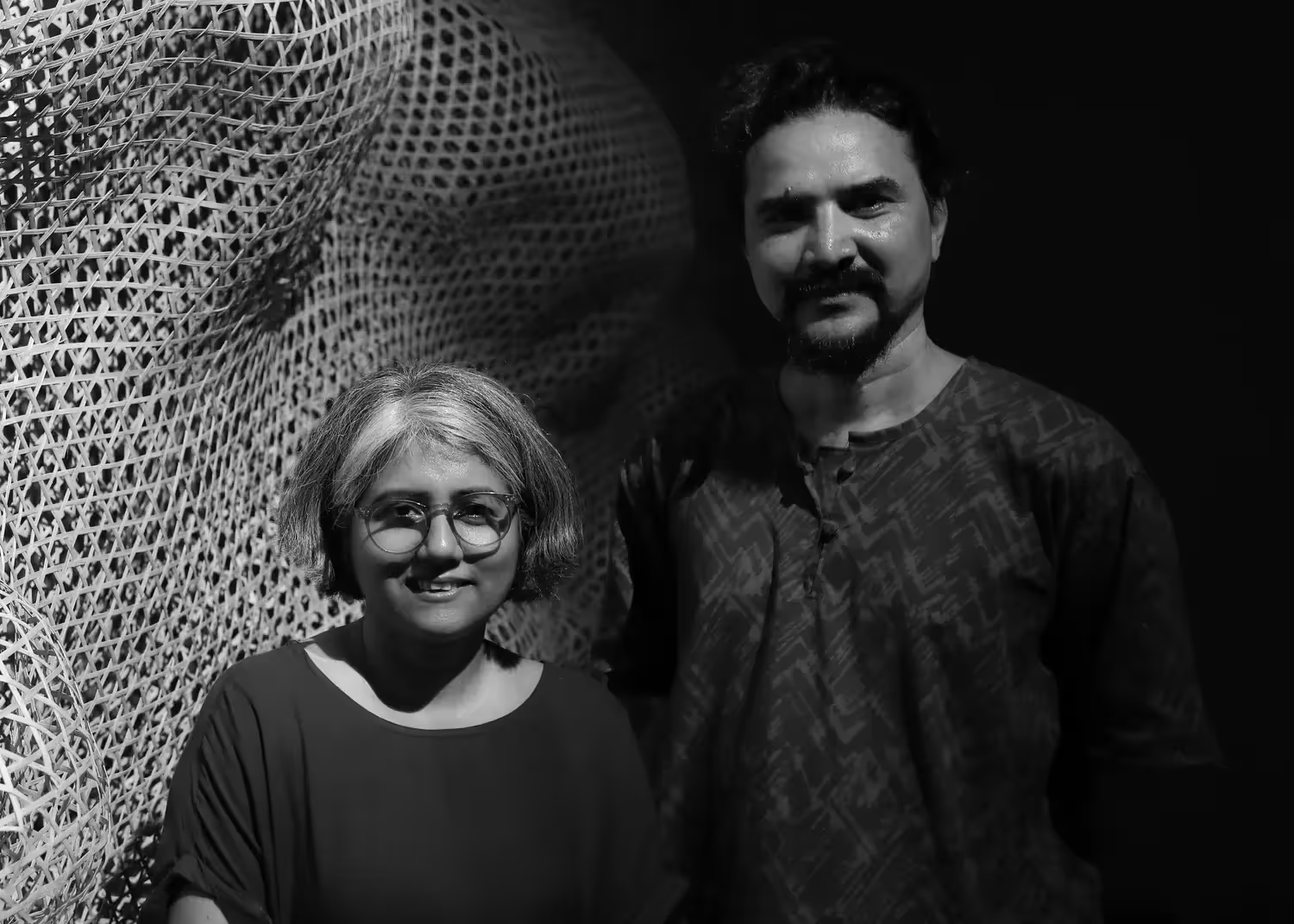
Gidree Bawlee Foundation of Arts was founded in 2001 by Kamruzzaman Shadhin and now jointly run with Salma Jamal Moushum. They are based in Balia village, Thakurgaon, Bangladesh.
As a community-based arts collective, it engages diverse communities in creative programs and research, addressing local history, culture, and the environment. The collective thrives on collaboration, blending local traditions with global perspectives through participatory, multidisciplinary practices. Their social practice emphasizes shared connections and balance in the artistic process.
Gidree Bawlee’s projects have been featured at major venues, including the Baltic Centre for Contemporary Art, UK (2024), Kochi-Muziris Biennale, India (2022–2023), Dhaka Art Summit, Bangladesh (2020, 2023), Asia Pacific Triennial, Australia (2021), and Museo Madre, (Italy, 2021).
Residency project
“Imagined Land” explores how the movement of people across borders intersects with the transmission and transformation of cultural memory, interrogating notions of belonging and identity as fluid and contingent constructs. The project examines the ways in which practices of cultural preservation and adaptation function within the context of migration, engaging with the lived experiences of individuals as they navigate shifting social and spatial terrains. Through archival research and critical reflection, “Imagined Land” investigates the interplay between collective memory and individual narratives, considering how these elements reshape and reconstitute notions of selfhood and community in diasporic contexts.
Switzerland / Germany
Learn morePauline Boudry & Renate Lorenz, Switzerland / Germany
A Portrait (Paris Version)
Biography
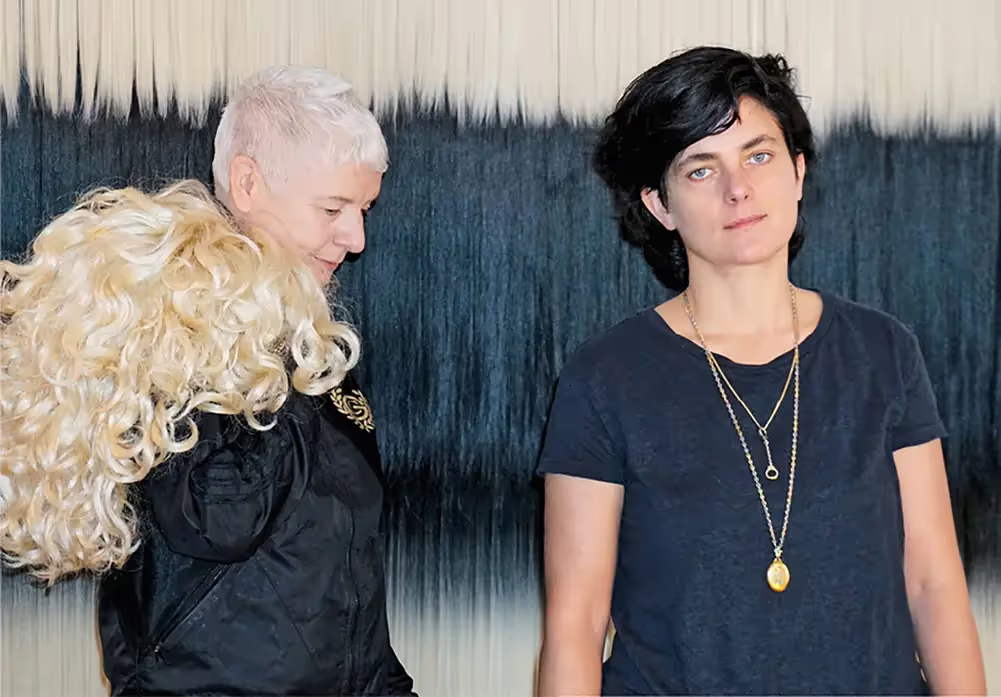
Pauline Boudry and Renate Lorenz have been working together in Berlin since 2007.
They produce installations that choreograph the tension between visibility and opacity.
Their films capture performances in front of the camera, often starting with a song, a picture, a film or a score from the near past. They upset normative historical narratives and conventions of spectatorship, as figures and actions across time are staged, layered and re-imagined. Their performers are choreographers, artists and musicians, with whom they are having a long-term conversation about the conditions of performance, the violent history of visibility, the pathologization of bodies, but also about companionship, glamour and resistance. Their sculptures and objects often refer to the potentiality of performance, using materials that connect to props, stages, costumes, microphones, wigs or dance floors.
Pauline Boudry and Renate Lorenz’s work has been presented in numerous institutions including MUAC Museum, Mexico City (2025), Philadelphia Museum of Art (2025), the 35th São Paulo Art Biennal, Brazil (2023), the Crystal Palace/ Reina Sofia Museum Madrid, Spain (2022-23), Centre Pompidou, France (2023) or the 58th Biennale di Venezia, Italy (2019).
Residency project
Pauline Boudry and Renate Lorenz consider this installation, A Portrait (2024–), as an ongoing project, which will include more and more portraits, and which might change its appearance over time. Since most of the eight performers, who are already part of the project, are based in English-speaking countries, they would like to deepen their knowledge of the French-speaking scene. They are planning to do research about the history and presence of performance in Paris / France, by meeting with performers, looking at/listening to performances, underground, and music events, and by searching for films, photographs and other documents in archives. They hope to find new collaborators for further developing the project.
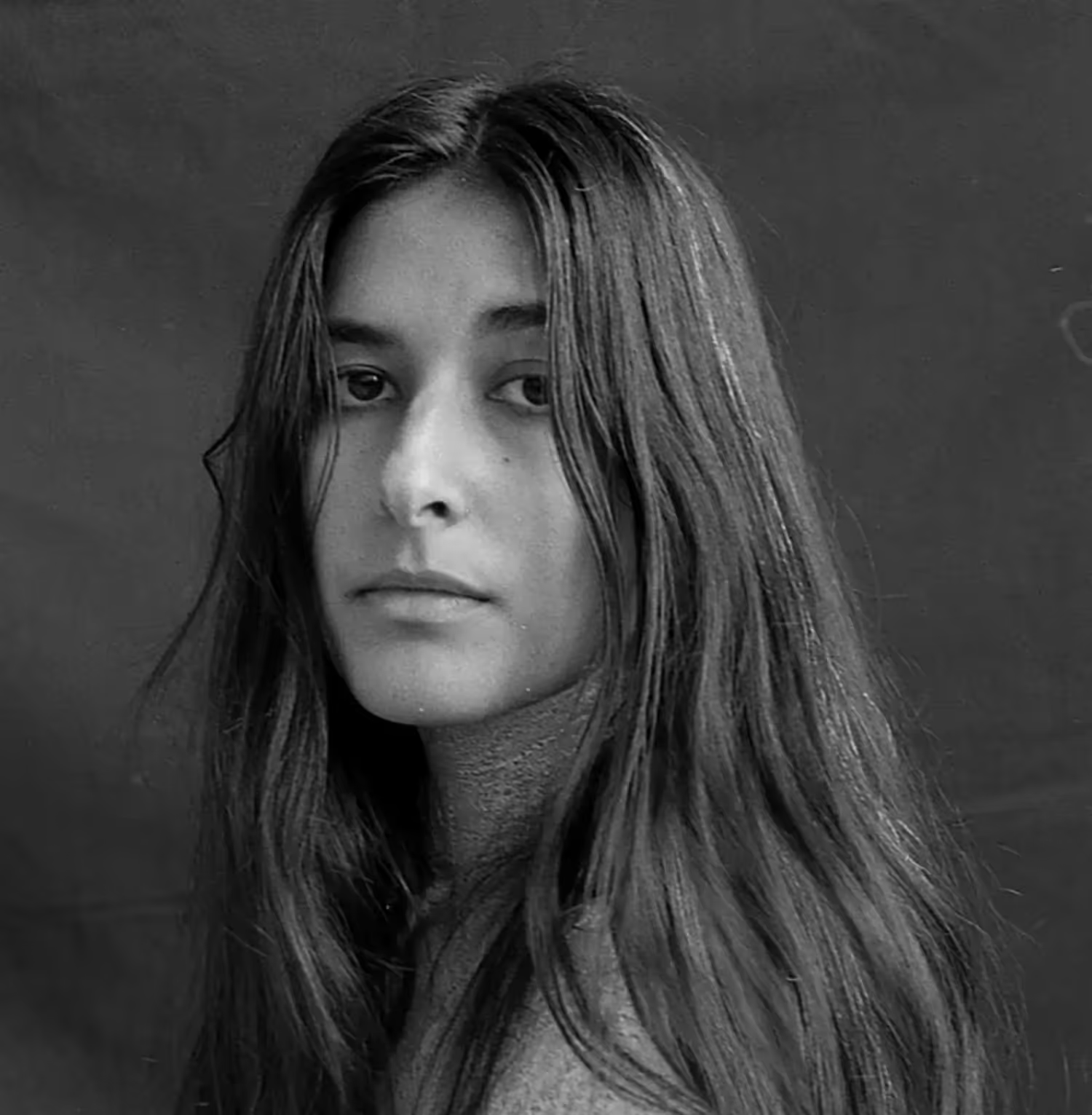
Saudi Arabia
Learn moreSarah Brahim, Saudi Arabia
The Pedestrians
Biography
Sarah Brahim was born in Riyadh, Saudi Arabia. She lives and works between the arab world, Europe and United States.
Sarah Brahim is a visual and performance artist working across many mediums to present work rooted in experiences of the body. She trained as a professional performer, teacher, and choreographer at San Francisco Conservatory of Dance, and received a BFA (Hons) from London Contemporary Dance School. Her research-based practice began while studying medicine at university, as she continued practicing and performing. The pursuit to understand the body through every possible lens-- biological, physiological, experiential, and more-- led her to receive her BS from Oregon Health and Science University, with a focus on medical anthropology, naturopathic medicine, and public health.
Sarah Brahim’s work has been presented in numerous institutions, including 16th Lyon Biennial, France (2022), Louvre Abu Dhabi, Emirates, (2023), Bally Foundation, Switzerland (2023), Locarno Film Festival, Switzerland (2024) or Museum of Moving Images, USA (2025).
Residency project
“The Pedestrians” is a research project which extends between film, live performance, text, and sound. Currently working on live performance, and multi part video series building on the topic of movement in the articulated and pedestrian body as spaces of transformation. This project will be built through movement studio research and filmed interviews/observation, text and written research, archives, and photography.
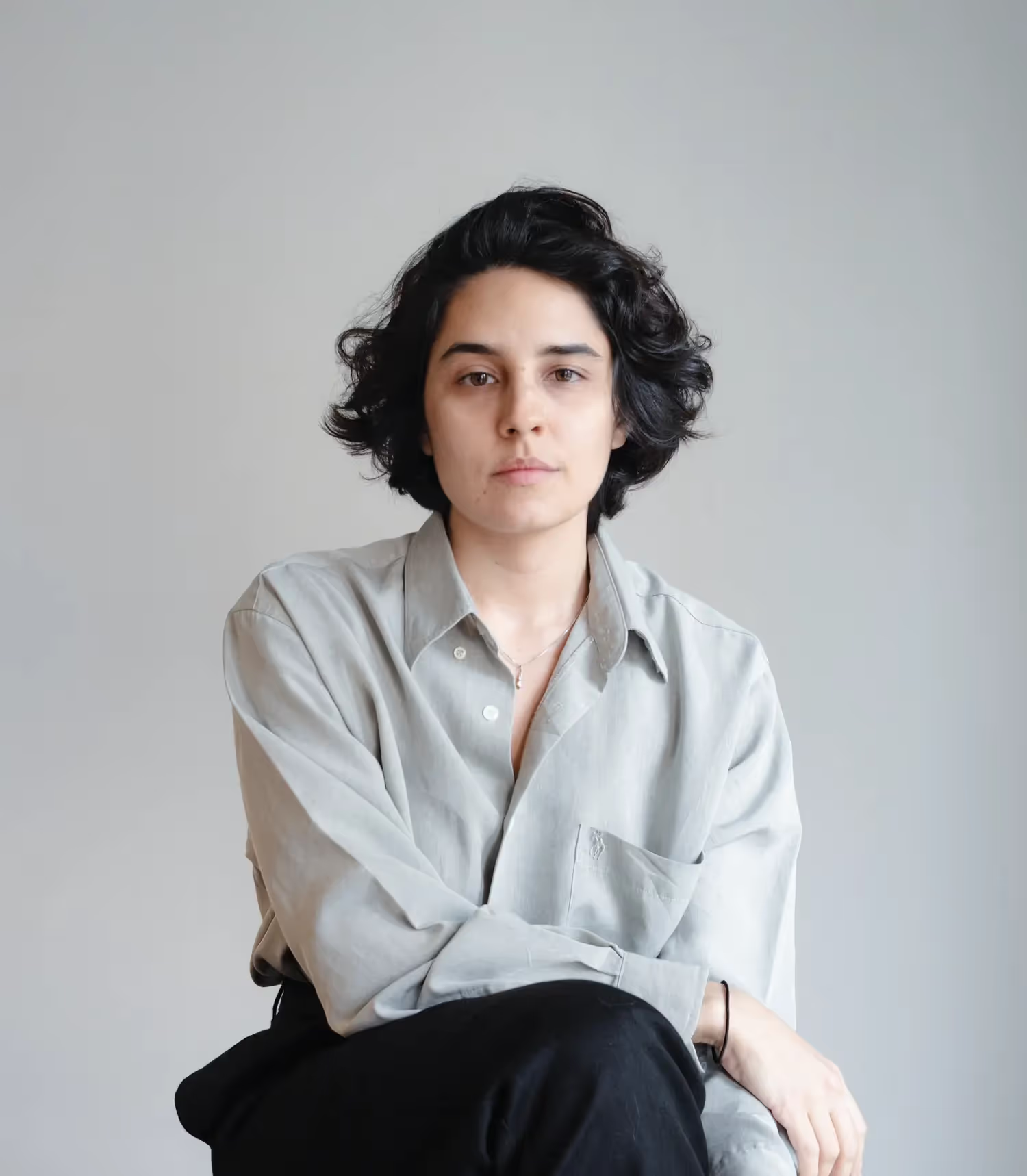
Brazil
Learn moreManoela Cezar, Brazil
La Roquette Square from autumn to winter
Biography
Manoela Cezar was born in 1995 in Brazil. She lives and works in São Paulo.
Manoela Cezar develops a multidisciplinary practice at the intersection of cinema and visual arts. An experienced film-editor, her work assembles different sensory elements to create new ways of experiencing histories. She is currently developing a large-scale installation supported by the Expanded Cinema grant, Spcine / Lei Paulo Gustavo, in Brazil.
Manoela Cezar’s work has been presented in numerous institutions including Diário Contemporâneo de Fotografia, Brazil (2024), Museu de Arte de Ribeirão Preto, Brazil (2024), Auroras, Brazil (2022), Museu de Arte Brasileira - MAB/FAAP, Brazil (2019).
Residency project
The project proposes the production of a short film set in La Roquette Square. Built on the site of a former prison, the square today is a public space surrounded by schools, family residences, and the Père Lachaise Cemetery. At its center stands a large playground tower, which echoes the architecture of the prison’s former watchtower. Through seasonal observation—from autumn to winter—the film will document the daily life of the square and how its users interact with the structures and pathways of the space. The project seeks to explore the layered relationship between architecture, memory, and public use, revealing how the site’s carceral past continues to resonate through its current form and function. By focusing on gestures, rhythms, and spatial dynamics, the film aims to uncover the traces of history embedded in the landscape, inviting reflection on how urban spaces carry and conceal their past.
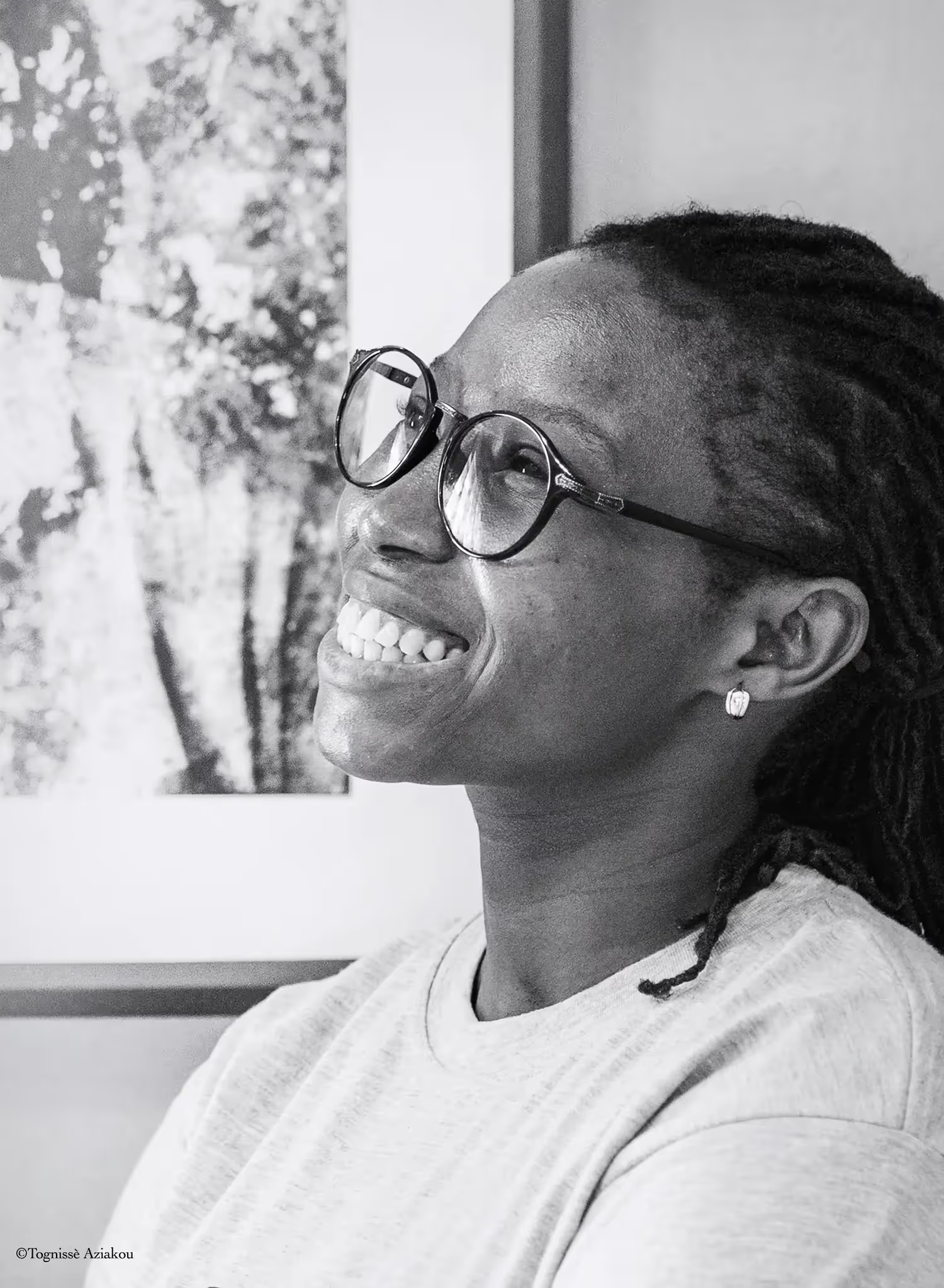
Benin
Learn moreSènami Donoumassou, Benin
Les bouts de bois de Dieu
Biography
Sènami Donoumassoum was born in 1991 in Porto-Novo, Benin. She lives and works in Cotonou.
Visual artist, Sènami Donoumassou explores notions of identity, heritage and history. She experiments, through her creations, oscillating between photograms, protean installations, video works and drawings, the scope of the technical and poetic potentialities of light. She is the winner of the James Barnor prize 2022.
The work of Sènami Donoumassou has been presented in numerous institutions including La Fondation H, France (2024), Biennale de Dakar, Senegal (2024), SAVVY Contemporary, Germany (2022), Le Centre, Benin (2022), or the Institut Français, Benin (2019).
Residency project
This project questions the deep relationship that human societies have with nature, through myths, rituals, beliefs, and spiritualities. By proposing a dialogue between the traditions of Benin, especially the Vodùn, and the ancient European pagan cults, she will try to grasp the contours of a transversal collective memory. In the same movement, she will explore the marginalization of these links, once intrinsically linked, in the face of a global capitalist system. In three axes — documentary research, exploration of the body as a vector of memory, and plastic work around soot — she proposes to reconnect with a sensitive and spiritual ecology, reintegrating nature as a constituent part of the human being and not simply a resource. Thought as a diptych between Benin and France, it will reflect on the body as mediator of this memory.
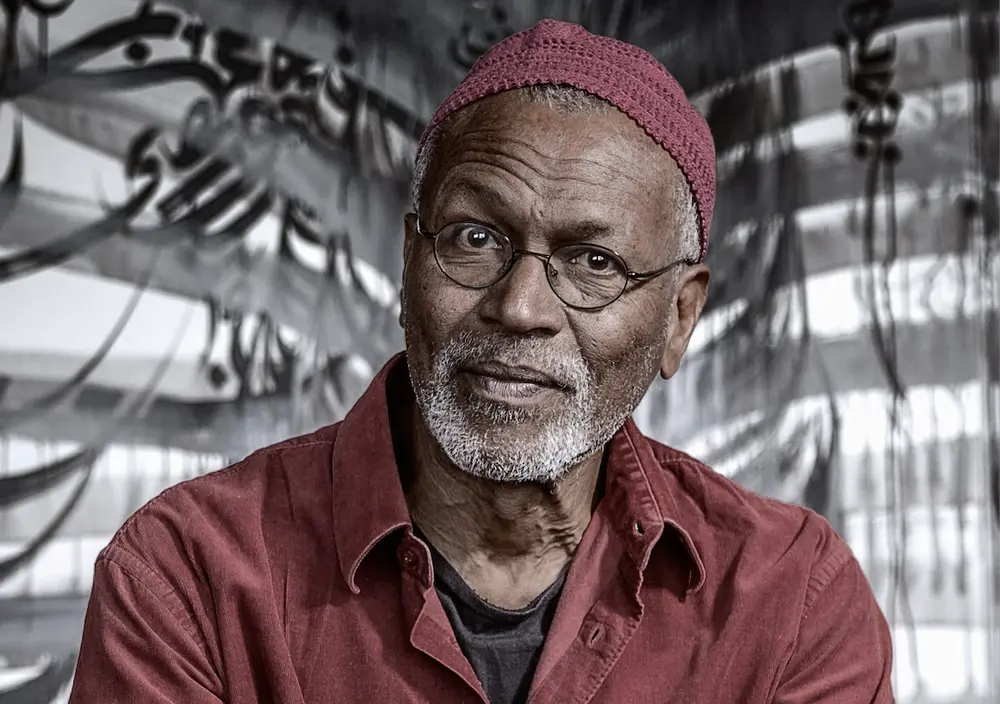
Sudan
Learn more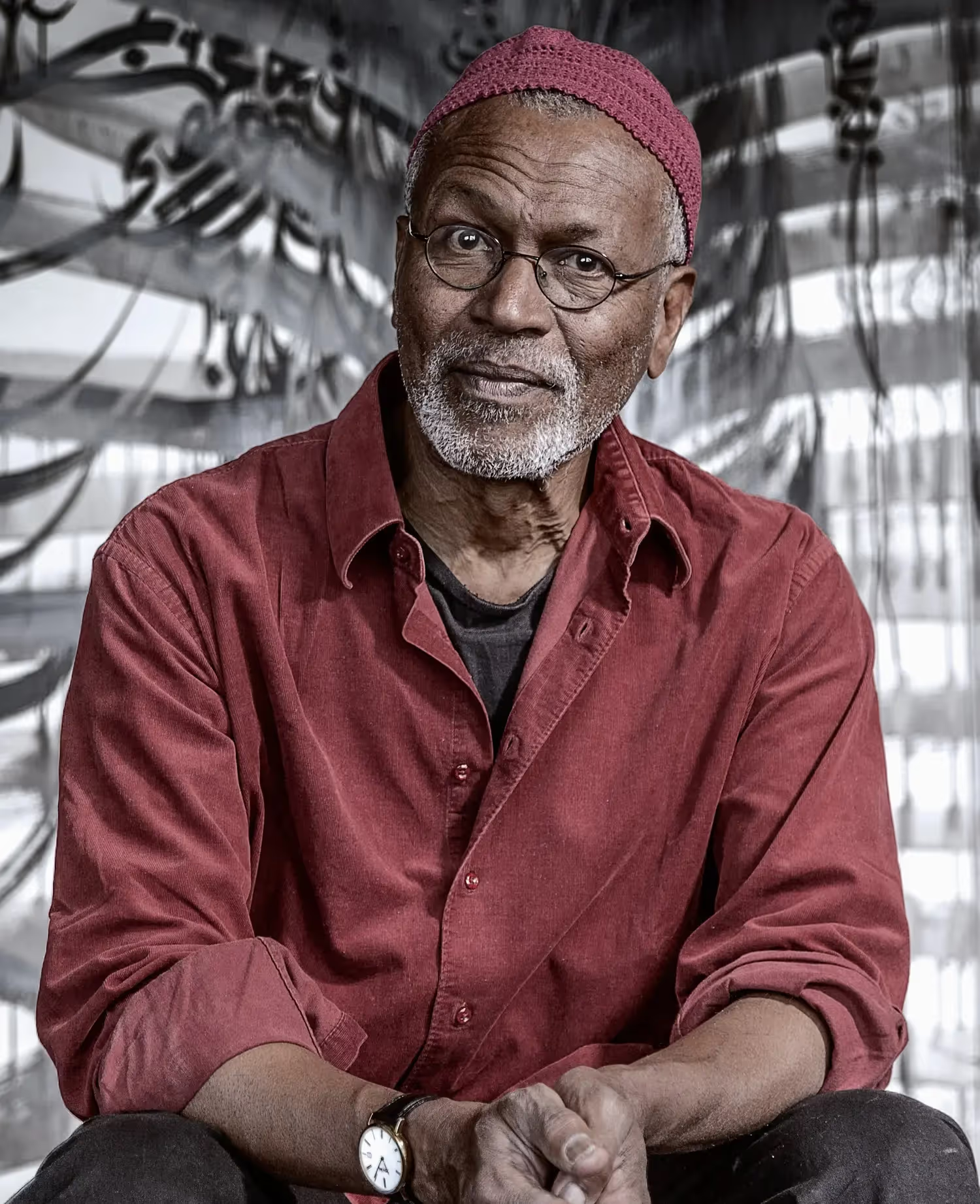
Hassan Musa, Sudan
LES FANTÔMES D’AFRIQUE DANS LES MUSÉES D’EUROPE: De la représentation de l’Afrique dans les musées Européens
Biography
Hassan Musa was born in 1951 in En-Nahud, Sudan. He lives and works in Domessargues, France.
Hassan Musa has developed a polymorphous artistic practice that includes painting, calligraphy, textiles and performance, and explores through his work themes such as identity, colonial history and global power dynamics.
Hassan Musa’s work has been presented in numerous institutions, including Centre Pompidou, France (2025,2004), MAXXI, Italy (2018), Dakar Biennale, Senegal (2018), Smithsonian, USA (2014), Venice Biennale, Italy (1997).
Residency project
Taking advantage of the opportunity offered by this residency, Hassan Musa intends to delve into the collections of Parisian museums to begin a reflection on the question of the conservation and exhibition of “African Art” objects in European museums.
The aim is to study various proposals and possibilities, such as “integrating” these objects into contemporary works of art. This, of course, while questioning the legitimacy of such proposals. Indeed, who is legitimate in deciding the fate of these objects? Curators? Contemporary “African” artists? The African people and their representatives?
By immersing himself in the Paris museums of French colonial history, Hassan Musa hopes to pursue his research into the status of African objects in European museums. On the other hand, he believes that this direct confrontation with these “objects” will nourish his reflection and artistic creation throughout his residency.

United Kingdom
Learn moreRoy Claire Potter, United Kingdom
Comms Fail
Biography
Roy Claire Potter was born in 1986 in Merseyside, England. They live and work in Todmorden, Yorkshire. Roy Claire Potter is an artist who performs, publishes and exhibits.
In 2026 they will present a new major live work with Liverpool Biennial addressing the resonant associations of autistic knowledge and radio communications.
Roy Claire Potter's work has been presented with numerous institutions and collaborators including artist publisher Book Works, United Kingdom (2024), BEK (Bergen Centre for Electronic Arts), Norway (2023-2024), A plus A gallery, Italy (2022), Tate Britain, United Kingdom (2020) and BBC Radio 3, United Kingdom (2020).
Residency project
What if satellite connectivity failed? Amateur or ‘HAM’ radio could offer a resilient alternative, yet even this bends to celestial forces.
“Comms Fail” is a multimedia installation of large scale drawings for set design with a live scripted performance that imagines a future of communications failure and parallels it with resonant associations between autistic knowledge and amateur radio communications technology.
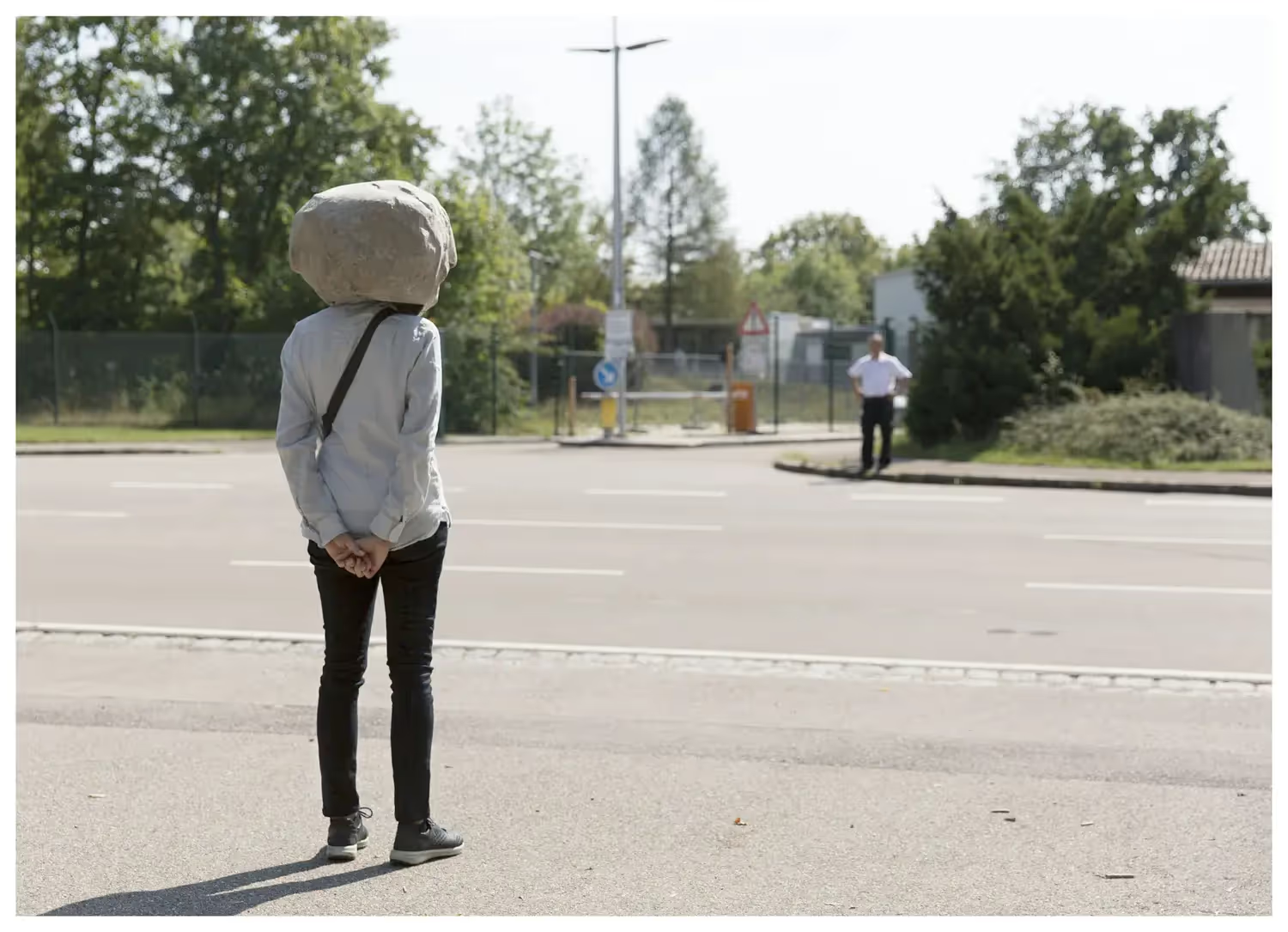
Natascha Sadr Haghighian
"Listening to Pantin"
Biography
Natascha Sadr Haghighian was born in 1987 or 1968 or 1976 in Germany or Iran or Australia. She lives and works in Berlin, Kassel, Gütersloh, Santa Monica or the Cotswolds.
Natascha Sadr Haghighian develops installations, video and audio works, as well as performative interventions to evoke and resound diasporic infrastructures and conditions of collectivity. Her practice is deeply invested in collaboration, sensual play and listening as modes of unraveling liberal individuality and the sociogenic accords of cognition. Recently she has been interested in epistemic disobedience as a mode of unlearning coloniality. She co-founded various collectives and coalitions, among them the institute for incongruous translation together with Ashkan Sepahvand, and kaf together with Shahab Fotouhi and Tirdad Zolghadr. She was part of the Society of Friends of Halit and the Tribunal "Unraveling the NSU Complex".
Natascha Sadr Haghighian’s work has been presented in numerous institutions including Taipei Fine Arts Museum, Taiwan (2023), Beirut Art Center, Lebanon (2022), Haus der Kulturen der Welt, Germany (2021) or the Venice Biennale, Italy (2019).
Residency project
‘Listening to Pantin’ (working title) is an audio project, that aims to engage in listening, recording, tuning resonating with the struggles of sans papiers living rough in camps on the outskirts of Paris. Following the work of solidarity groups like Pantin Solidaire she wants to find tunes of solidarity, songs of courage and passage, chants of sorrow and protest that people dwelling in the camps know and chant. She plans to learn songs from members of the camp community, record them, resound them. Sung together these tunes would become the basis for a soundscape that will resonate from the walls of the city. ‘Listening to Pantin’ can have multiple outcomes. She is aiming at developing a sound installation, but she is also thinking of audio walks and formats that become sonic deposits for use in protests and gatherings.
Iran
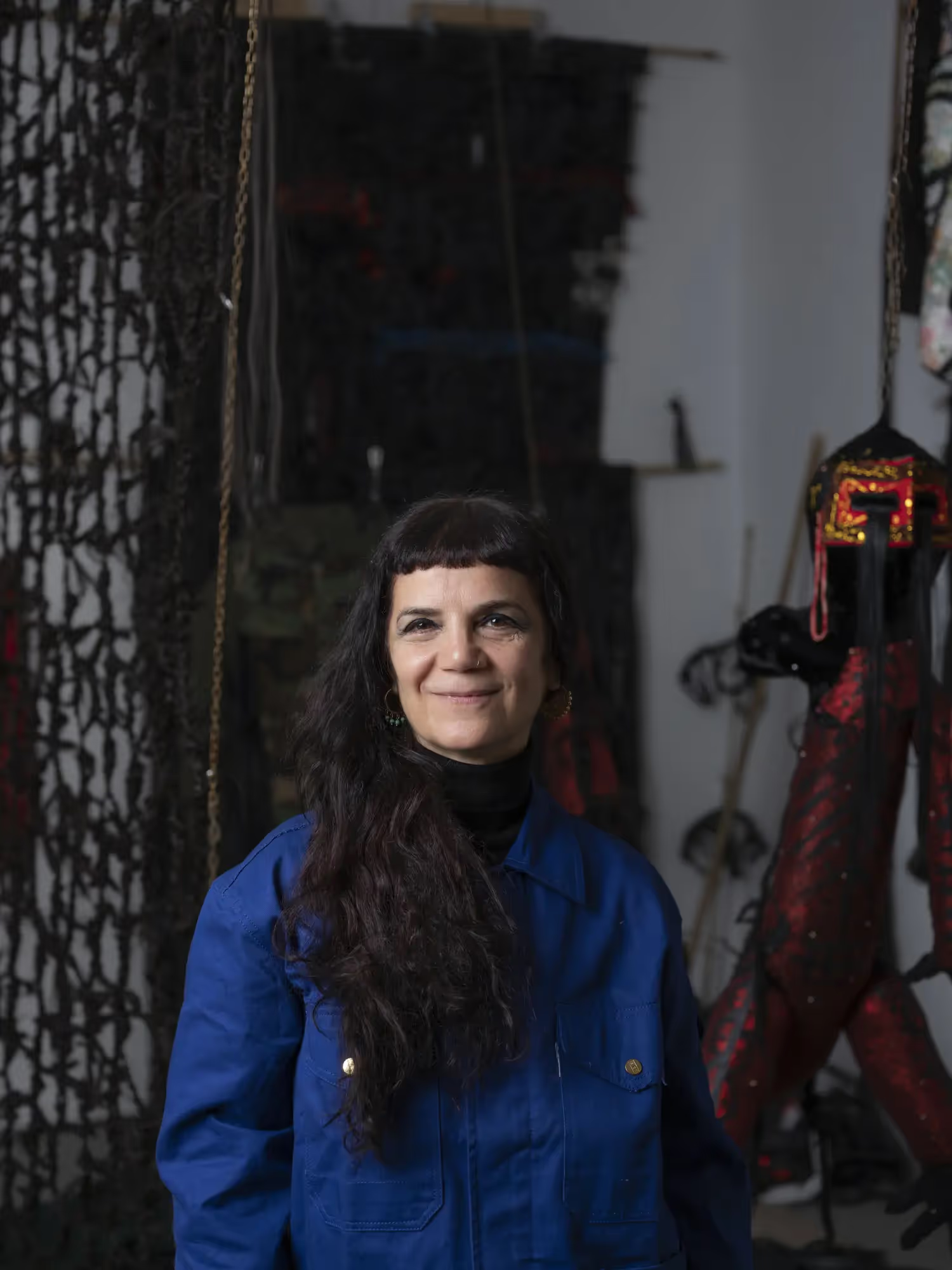
Learn moreFarkhondeh Shahroudi, Iran
Histoires à travers le rideau / stories through the curtain
Biography
Farkhondeh Shahroudi was born in 1962 in Tehran, Iran. She lives and works in Berlin, Germany.
She is a poet and visual artist whose interdisciplinary practice spans automatic writing, drawing, sculpture, textile, and performance. Her works are conceived as three-dimensional poems, using colonial materials, hand-stitched fabrics, and carpets. Her poetic and political approach explores migration, memory, and transculturality. She was awarded the the Hannah Höch Förderpreis and the Exile Visual Art Award.
Farkhondeh Shahroudi’s work has been presented in numerous institutions including Poesiefestival, Germany (2025), Goethe-Institut New York, USA (2024), Staatliche Museen zu Berlin, Germany (2022), Social Art Actions, Germany (2022) and Sonsbeek, Netherlands (2021).
Residency project
A curtain that tells stories, an evolving surface where text and material merge into a polyphonic work, a performative poetics of matter. Inspired by traditional Iranian storytelling, the curtain becomes image, voice, and body. Farkhondeh Shahroudi’s figures jump from the past into the present, the boundary between material and body dissolves. Untold stories are spoken, woven into the curtain, forming a living narrative. The surface becomes language, space becomes memory voice and silence, matter, image, and text. Networks emerge between times and places, the political and the intimate, the social and the solitary. A poem that stands in space as a body.
Spain
Learn moreThe Possibility, Spain
Biography
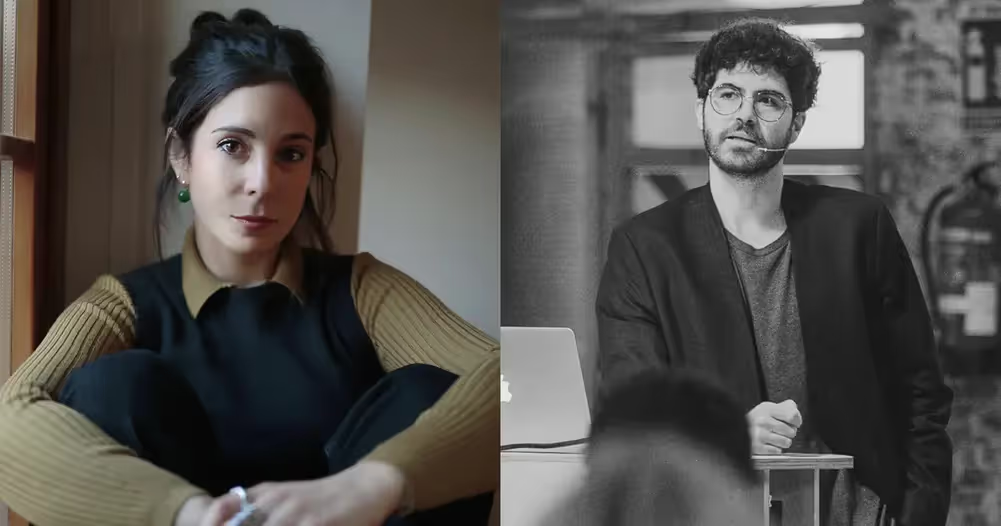
Gala Hernández López was born in 1993 in Spain. She lives and works in Berlin.
Her interdisciplinary practice merges filmmaking with video installations, performances, and publications. She explores how computational capitalism reshapes subjectivity, examining virtual imaginaries, techno-utopian narratives, and the fantasies of control they generate. Grounded in research, her work blends materialist critique with poetry and intimacy. Gala Hernández López’s work has been presented in numerous institutions and festivals, including Cannes Film Festival (Quinzaine des Cinéastes), France (2025), Cinéma du Réel, France (2024), Palais de Tokyo, France (2024), Berlinale, Germany (2023) or DOK Leipzig, Germany (2022).
Eduardo Castillo-Vinuesa was born in 1989 in Granada, Spain. He lives and works in Madrid.
He is an anti-disciplinary architect, curator, and educator working across academia and the cultural sector. His practice integrates architecture, institutional design, filmmaking, and curatorial strategies to address contemporary spatial challenges. He is Associate Professor at ETSAM-UPM and active in research networks like ProLAB and LINA. He has curated the Spanish Pavilion at the Venice Biennale (2023), directed Arquitectura COAM magazine, and led Medialab Matadero (2021–2024). His projects, such as Skynomics and Foodscapes, explore the political and ecological dimensions of urbanization and planetary transformation.
China
Learn more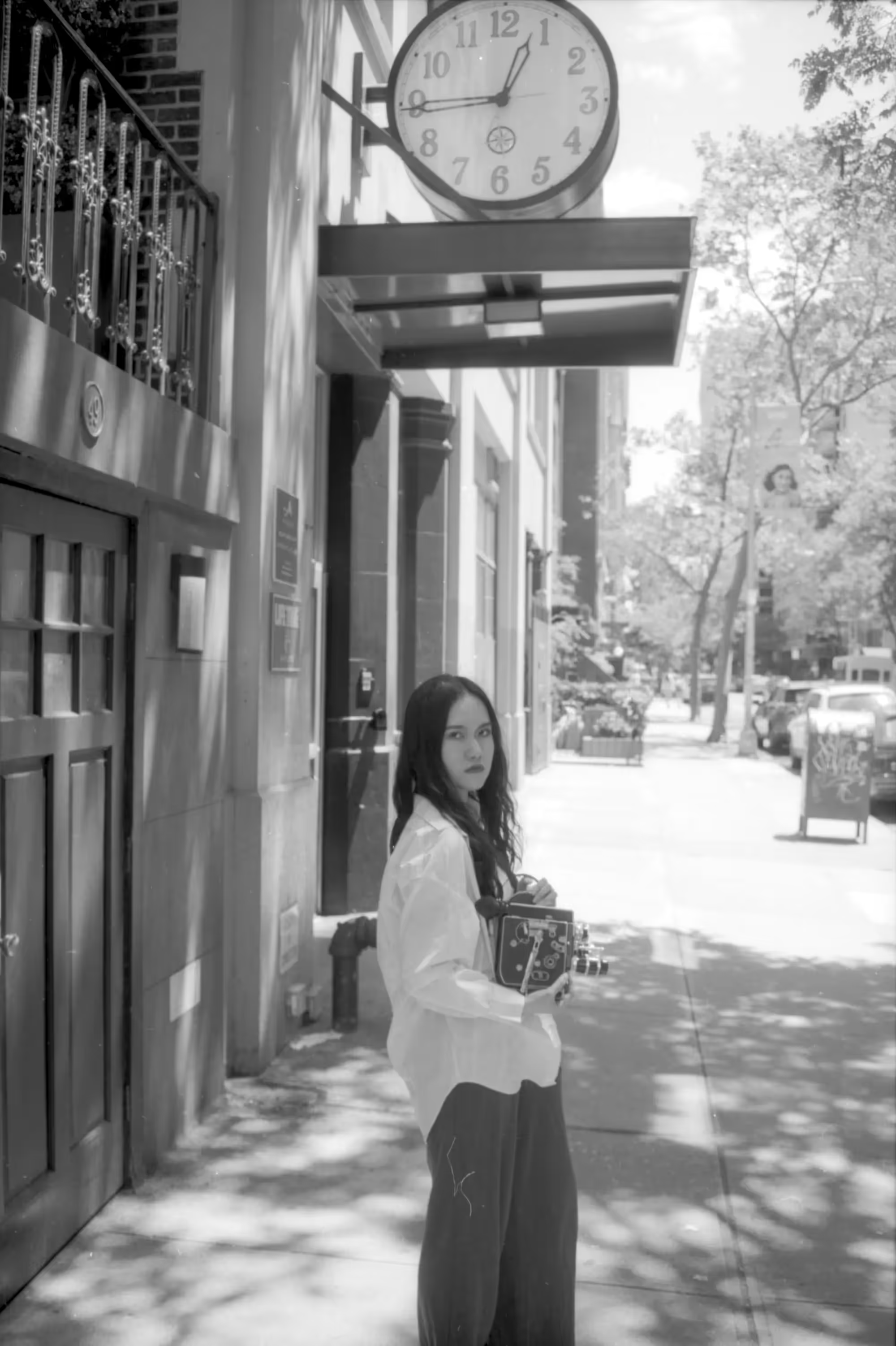
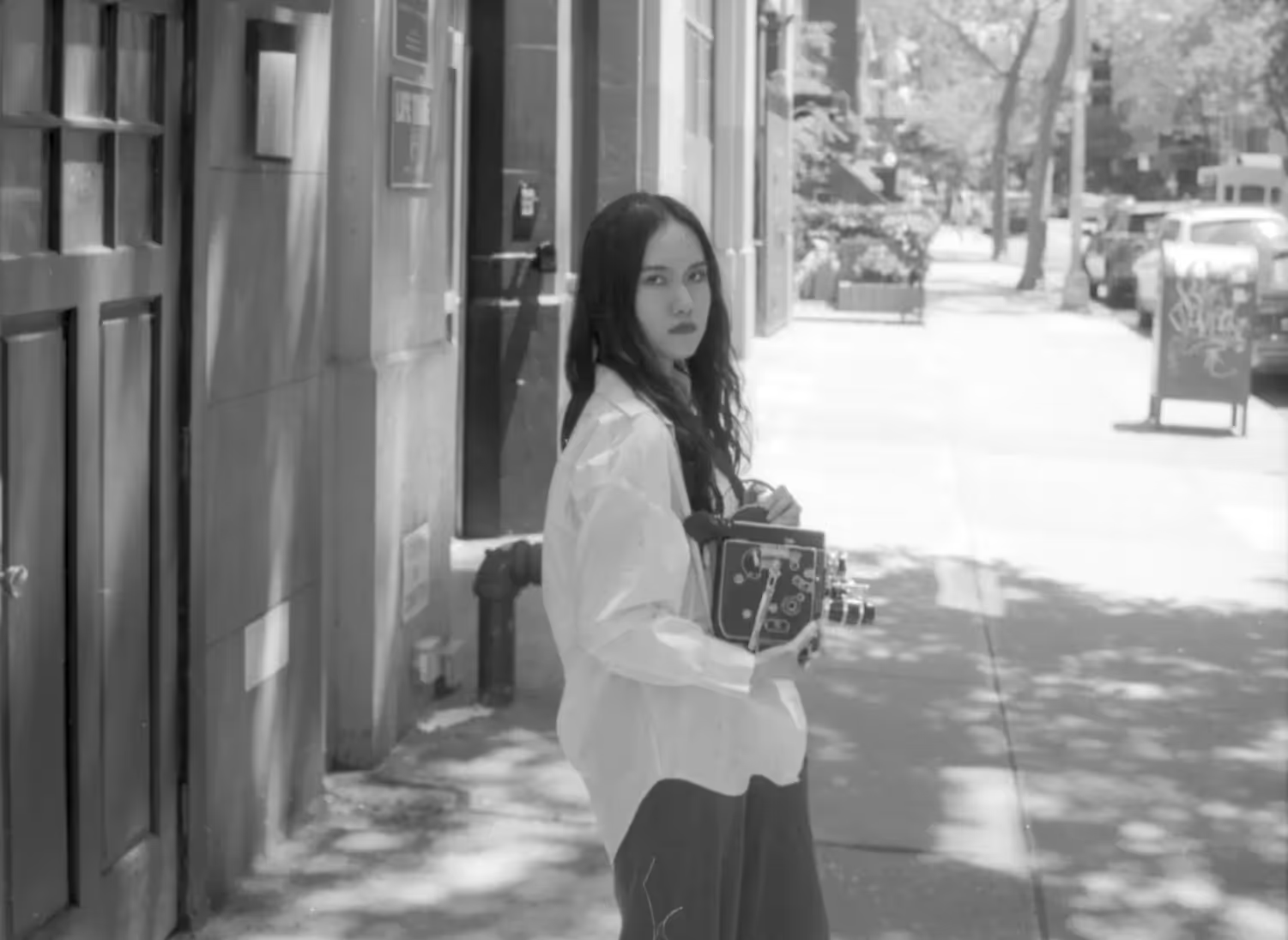
Zhiqian Wang, China
A Shadow Moves Through the City
Biography
Zhiqian Wang was born in 1999, China. She lives and works in New York City.
Her works range from interventions, analog film to work on paper or silk. She constructs experimental systems that test the boundaries of meanings through material process, concept, and interaction. Her research interests include the philosophy of science, language, and metaphysics.
Zhiqian Wang’s work has been presented in numerous institutions including The Jewish Museum, USA (2023), Contemporary Arts Center, USA (2023), and performs at MoMA PS1, USA (2023), Performa Biennial, USA (2023), Art, Culture, and Technology at MIT, USA (2018).
Residency project
“A Shadow Moves Through the City” is a project of an experimental essay film shot on 16mm, which merges fiction, philosophical research, and documentary. The film draws on the life and ideas of philosopher and logician Jean Cavaillès, a member of the French Resistance, who was portrayed as Saint Luc Jardie in Jean-Pierre Melville’s “Army of Shadows”. In reality, Cavaillès was betrayed, imprisoned, and executed by the Gestapo on February 17, 1944. While in prison, he wrote “On Logic and the Theory of Science”, where he critiques the idea that knowledge and truth are grounded in individual consciousness or a fixed origin. He emphasizes that mathematical and scientific truths emerge through historical processes, shaped by action and contingency. For him, knowledge is dynamic, evolving through continuous engagement with external realities, much like the progression of historical events. Shot at sites related to Cavaillès’ life in Paris, the film investigates the foundations of science and mathematics and their equivocal relationship to reality and history.
Albania
Learn moreDriant Zeneli, Albania
The Valley of the Uncanny Lovers.
Biography
Driant Zeneli was born in 1983 in Shkoder, Albania. He lives and works between Tirana and Turin.
In his films, and video sculpture installations, the representation of power, science, mythology, and fairy tales are interlaced with individual narratives, giving rise to utopias that subvert the natural order of things. The creative act feeds on unplanned encounters and the relationship with the architectural heritage of places. He represented Albanian Pavilion at the 58th Venice Biennale, 2019.
Driant Zeneli’s work has been presented in numerous institutions, including EMST, National Museum of Contemporary Art, Greece (2025), Sharjah Biennial 16, United Arab Emirates (2025), Manifesta Biennial 14, Kosovo (2022), 39th EVA International Biennial, Ireland (2020), Centre Pompidou, France (2016).
Residency project
Sometimes fairy tales present more opportunities for creating uncanny feelings than there are in real life. How to create a fairy tale about the Uncanny Lovers?
The Valley of the Uncanny Lovers was born with the need to investigate the everyday space in 1970s/80s modernist buildings and the relation between artificial and what we call natural sources of energy, as lithium, natural gaz and uranium. The intention is to analyze the relationship that people establish with the architecture and environment from an emotional point of view, for example falling in love as a feeling towards the other, towards a technological device or towards a robot guided by artificial intelligence.
The first chapter was developed in Belgrad, Serbia the second one is ongoing in Duisburg, Germany and the last would be in The City of the Stars”, Givors, France.
Find out more about our residences
The 2025 Selection Committee

Art critic and director of the Museo Tamayo of Contemporary Art
Learn moreMagali Arriola is director of the Tamayo Museum in Mexico City. Between 2016 and 2019, she was chief curator for KADIST in Latin America, and curator of the Mexican Pavilion for the 58th Venice Biennale(Pablo Vargas Lugo, Acts of God, 2019). Between 2011 and 2014 she was chief curator of the Jumex Museum, and chief curator of the Tamayo Museum between 2009 and 2011. Arriola has contributed to numerous books and catalogs, as well as publications such as Art Forum, Curare, Frieze, Mousse, Manifesta Journal, and The Exhibitionist.
Photo credit: Pedro Luján. Courtesy Revista Capitel.
Artistic Director of the Samdani Art Foundation and Chief Curator of the Dhaka Art Summit
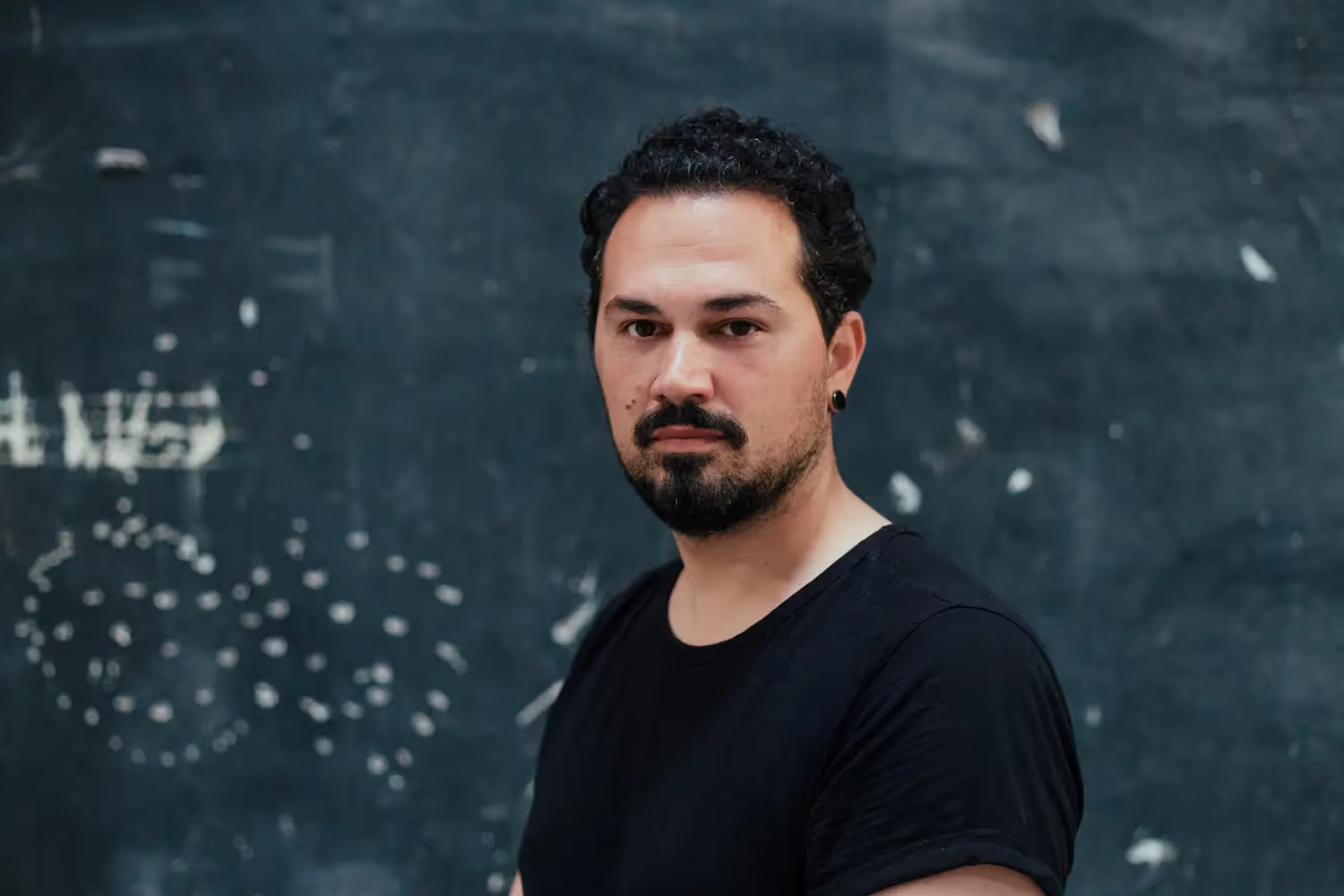
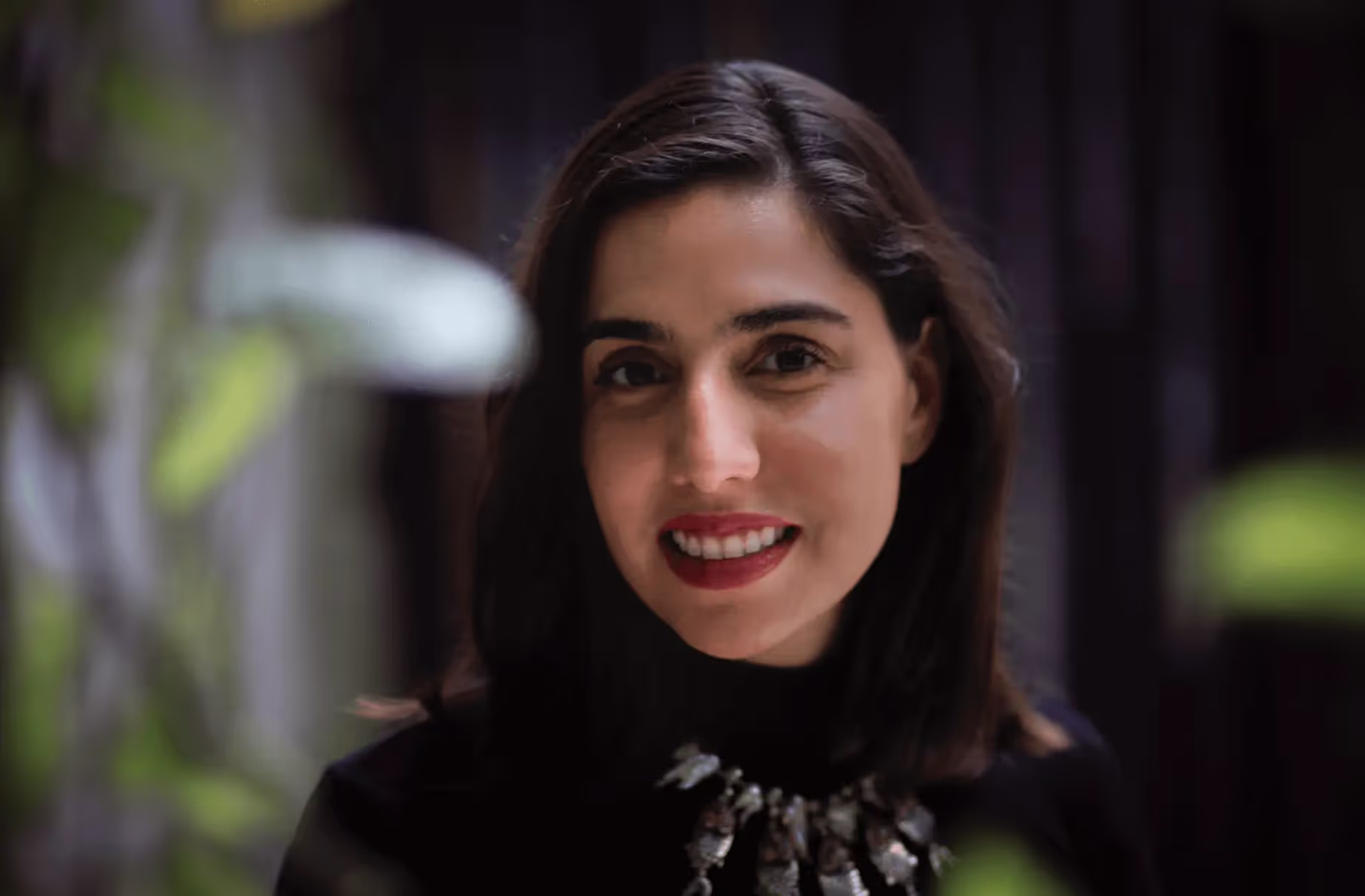
Learn moreDiana Campbell Betancourt is an American curator who has been active in South and Southeast Asia since 2010, mainly in India, Bangladesh and the Philippines. She is committed to the globalization of the art world, and takes a long-term, multi-faceted approach that addresses the concerns of under-represented territories and artists, as well as those of more established artists, in numerous forums.
Since 2013, she has been artistic director and founder of the Samdani Art Foundation, based in Dhaka, Bangladesh, and chief curator of the Dhaka Art Summit, whose critically acclaimed 2014, 2016, 2018 and 2020 editions she has directed. She has established the Dhaka Art Summit as one of the leading research and exhibition structures dedicated to art in South Asia, bringing together artists, architects, curators and writers from across South Asia through a primarily commission-based model. Alongside her activities in Bangladesh from 2016 to 2018, Diana Campbell Betancourt was also the artistic director and founder of Bellas Artes Projects in the Philippines, a non-profit international residency and exhibition programme based in Manila and Bataan.
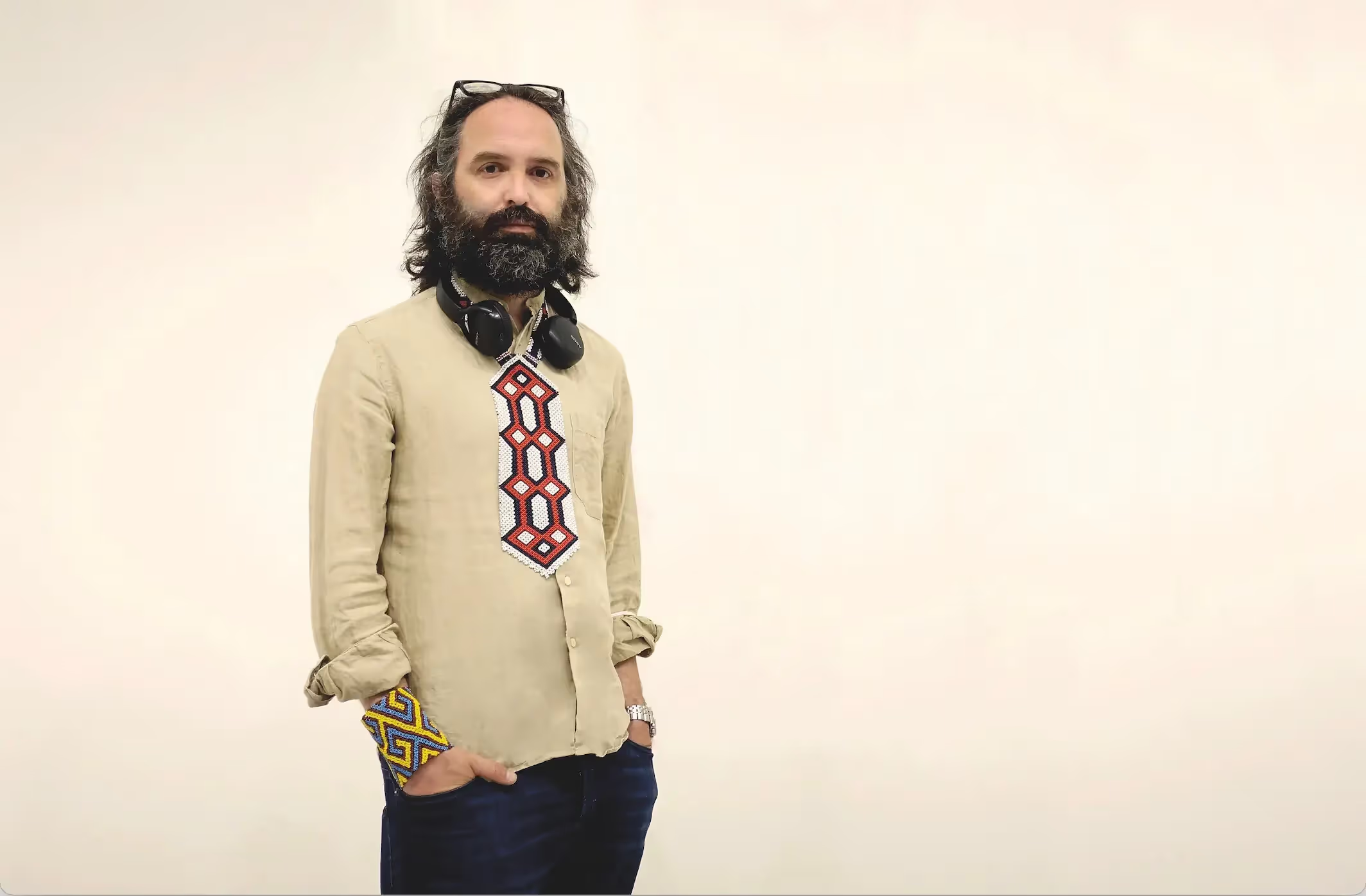
Philosopher and lecturer at EHESS
Learn moreEmanuele Coccia teaches at the EHESS in Paris. He is the author of La Vie sensible (2010), La Vie des Plantes (2018), Métamorphoses (2021) and Philosophie de la maison. L'espace domestique et le bonheur (2023). His animated videos include Quercus (2019, with Formafantasma), Heaven in Matter (2021, with Faye Formisano) and Portal of Mysteries (2022, with Dotdotdot). He participates in several exhibitions as an advisor. He is currently co-authoring a book on the relationship between fashion and philosophy with Alessandro Michele, Creative Director of Gucci.
Photo credit: Frank Perrin.
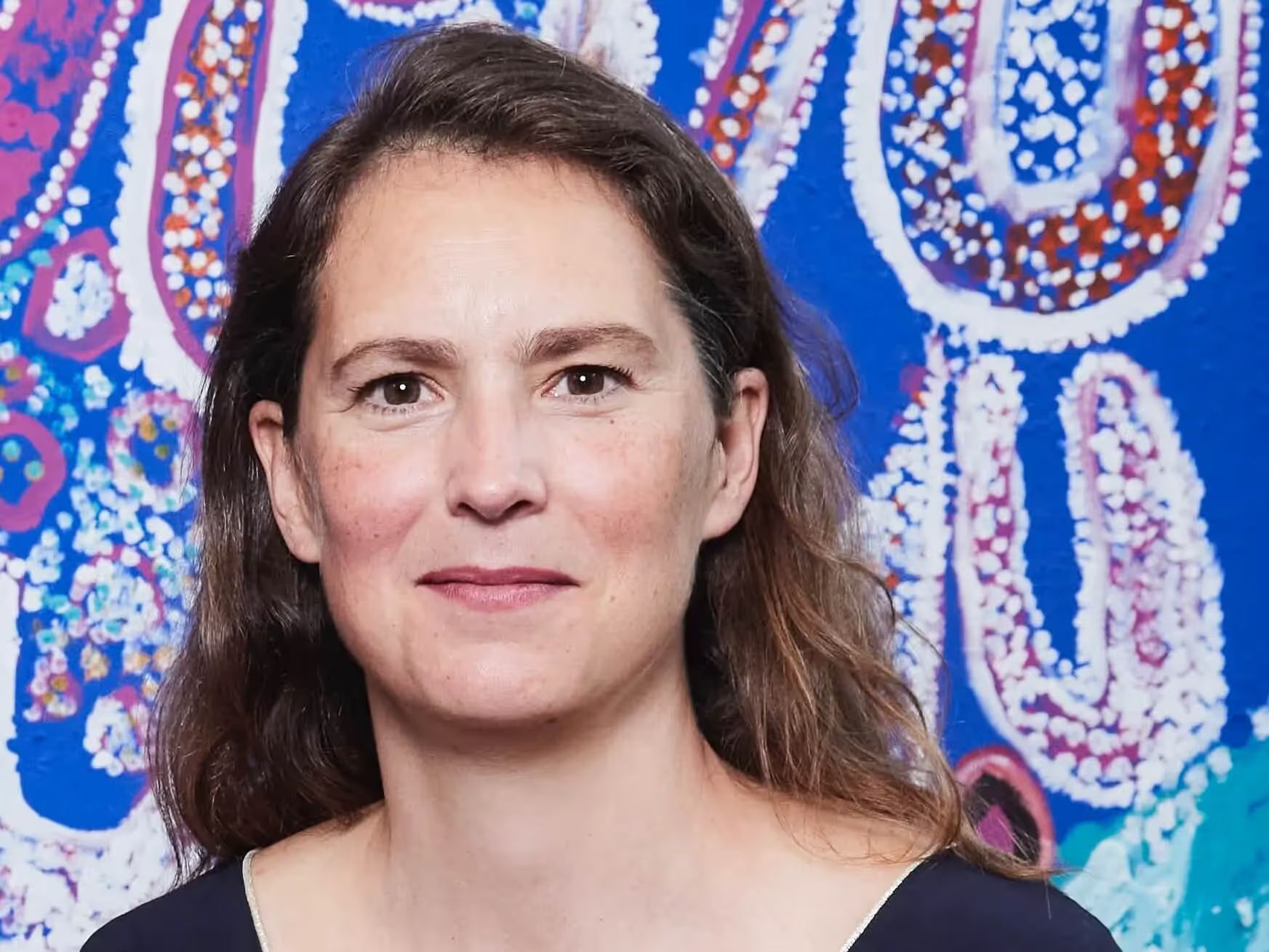
Deputy Artistic Director of the Fondation Cartier pour l'art contemporain
Learn moreArtistic director, curator and producer Isabelle Gaudrefroy is currently Deputy Artistic Director of the Fondation Cartier pour l'art contemporain. She began her career at the Théâtre des Amandiers in 1995. From 1999 to 2010, she directed the Soirées Nomades at the Fondation Cartier. In 2011, she joined the Fondation's management team and curated landmark exhibitions such as Junya Ishigami, Freeing Architecture in 2018 and Nous les Arbres in 2019.
Photo credit: Valentin Le Cron
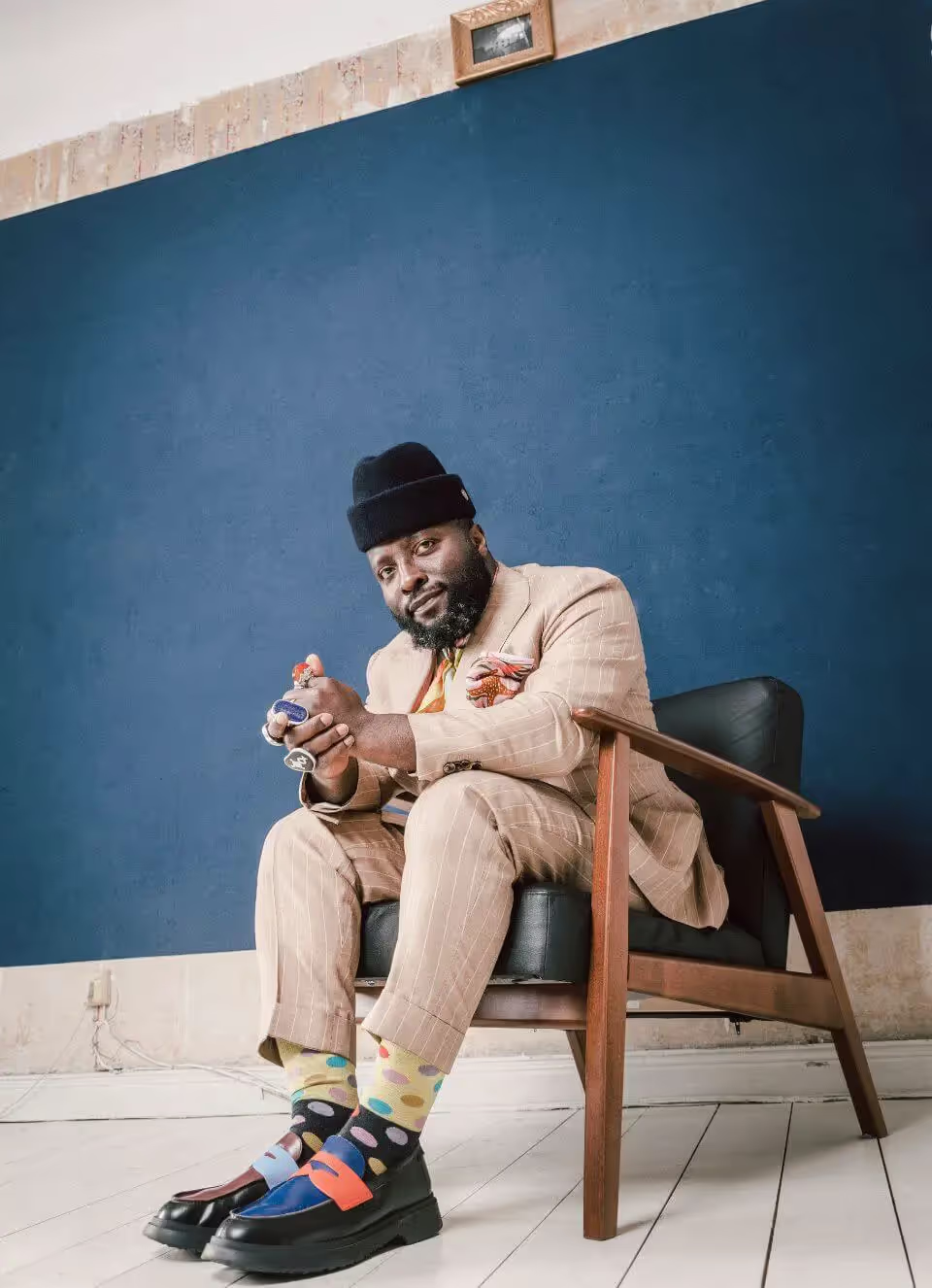
Director of the Haus der Kulturen der Welt (HKW) in Berlin
Learn moreSince January 2023, Bonaventure Soh Bejeng Ndikun has headed the Haus der Kulturen der Welt (House of World Cultures) in Berlin. Previously, he was artistic director of the 13th Rencontres de Bamako in 2022, curator of the Finnish pavilion at the 58th Venice Biennale in 2019, guest curator at the Dakar Biennale in 2018, and member of the curatorial team at Documenta 14, in Athens and Kassel in 2017. In 2009, he founded SAVVY Contemporary, an independent art center based in Berlin.
Photo credit: Alexander Steffens

Artistic Director, Serpentine Galleries
Learn moreHans Ulrich Obrist, born 1968 in Zürich (Switzerland), is artistic director of the Serpentine Galleries in London. He was previously curator of the Musée d'Art Moderne de la Ville de Paris. Since his first exhibition, "World Soup" (The Kitchen Show) in 1991, he has organized over 300 exhibitions, and has lectured internationally at art academies and institutions. He is editor-in-chief of Artforum, AnOther Magazine, Cahiers d'Art and 032C, and a regular contributor to Mousse and Kaleidoscope. He also writes columns for Das Magazin and Weltkunst. Obrist received the CCS Bard Award for Curatorial Excellence in 2011, and the Folkwang International Award for his commitment to art in 2015. Recent publications include Ways of Curating (2015), The Age of Earthquakes (2015), Lives of the Artists, Lives of Architects (2015), Mondialité (2017), Somewhere Totally Else (2018) and The Athens Dialogues (2018).
Photo credit: Tyler Mitchell.